Housing

Our community-led approach

Over a quarter of Bangladesh's population live in towns and cities. Rapid urbanisation, coupled with limited financial and physical capacity, has put significant strain on these areas.

To date, the Government of Bangladesh has mostly ignored the growth of informal settlements, or reacted by evicting squatters. New approaches to the urban context are needed.

Throughout the world, slums upgrading is often done through investments in neighbourhood improvement that result in de facto security of tenure for the urban poor. This in turn allows families to incrementally improve their shelter conditions, thereby improving human capital, and leading to synergies in savings, employment and poverty reduction, and gradually incorporating informal settlements into city development.
— Pro-poor slums integration / The World Bank

Global experiences show that slums upgrading requires strong engagement from urban poor communities for a number of reasons.

  1. Slums and informal settlements are unique and dynamic. No single solution is suitable for all situations. Engagement is essential to create locally relevant and appropriate solutions.

  2. Government delivery and private sector engagement can crowd out the poor. A community-led approach ensures that those involved in designing and implementing initiatives are also the beneficiaries.

  3. As governments are slow to address urban improvements for slums, community-led approaches are often the only alternative.

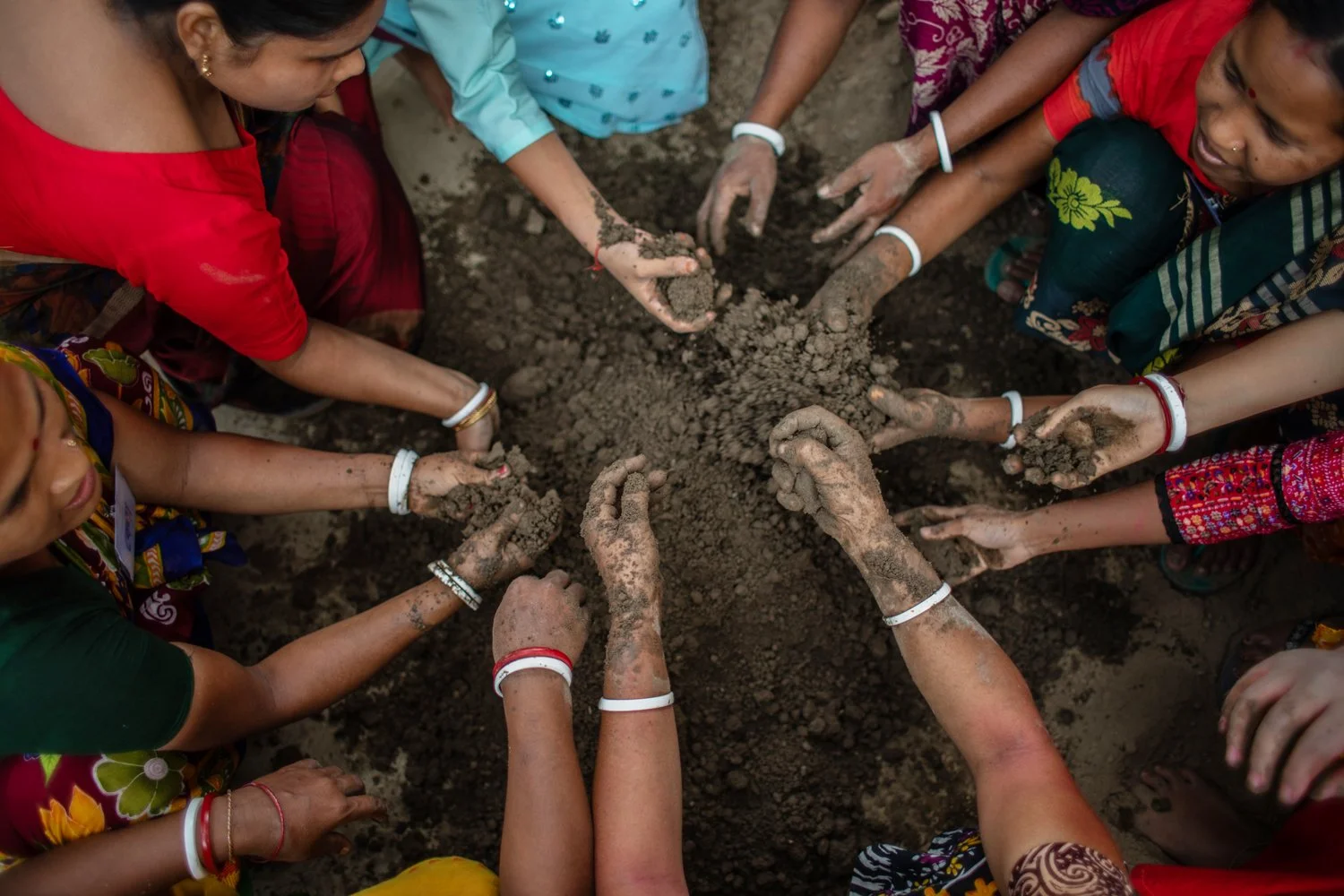
We've been working with residents of Jogen Babu Maath slum, in Bangladesh, since 2010. Together with the community committee we’re mobilising residents, providing training, encouraging financing/saving, and improving infrastructure.


Author: J. Ashbridge
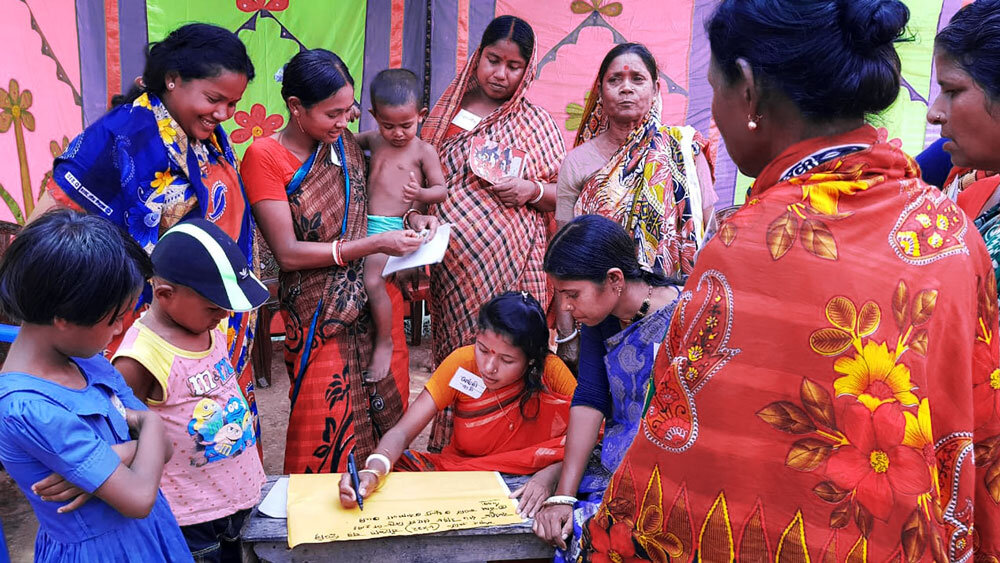
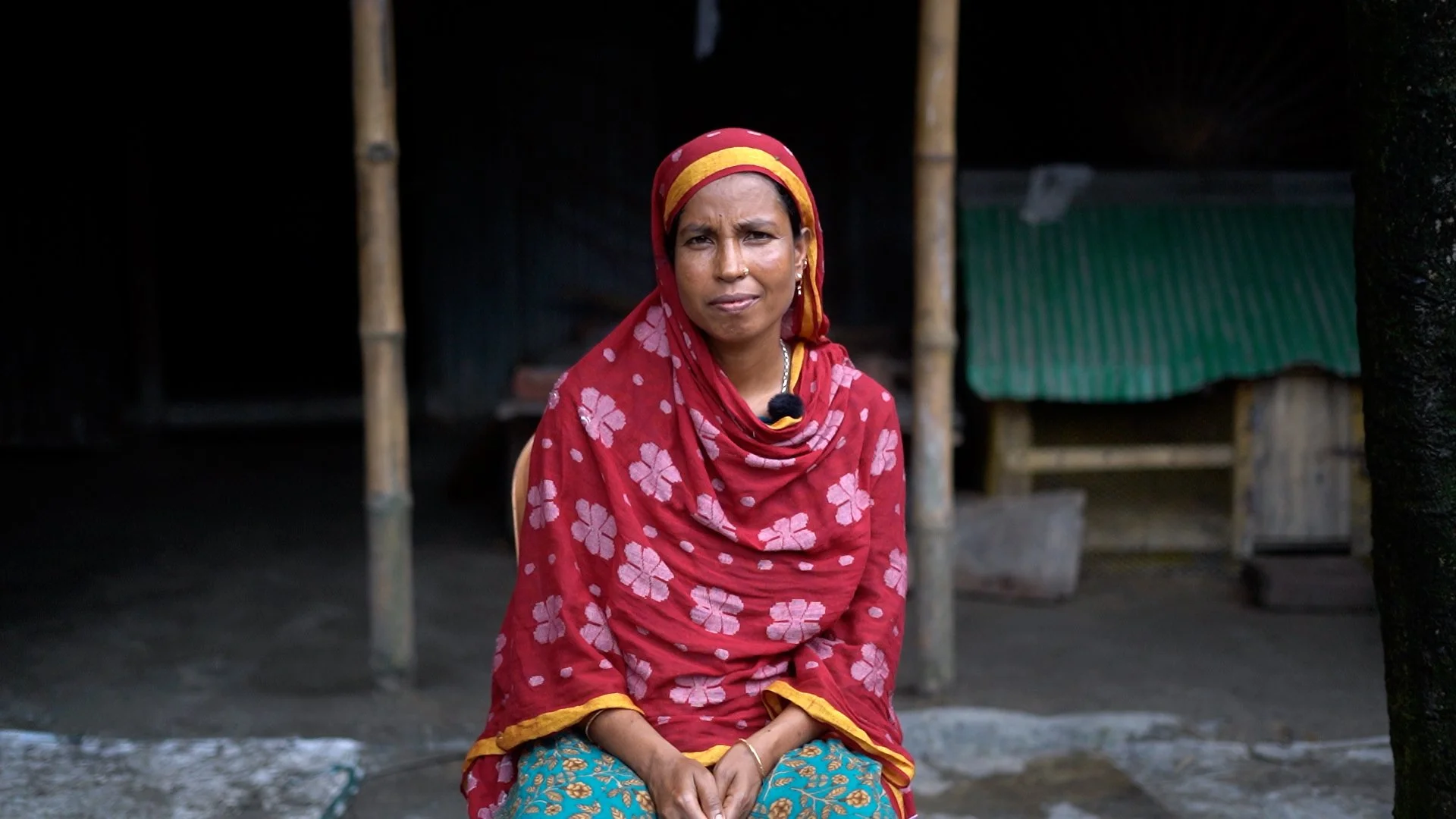
Ponchomi's story – building for safety

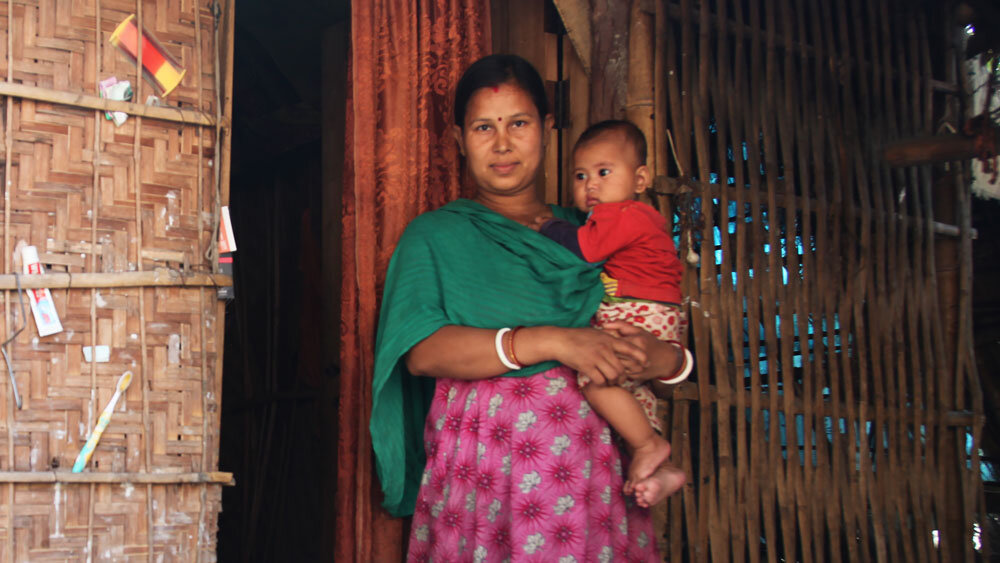
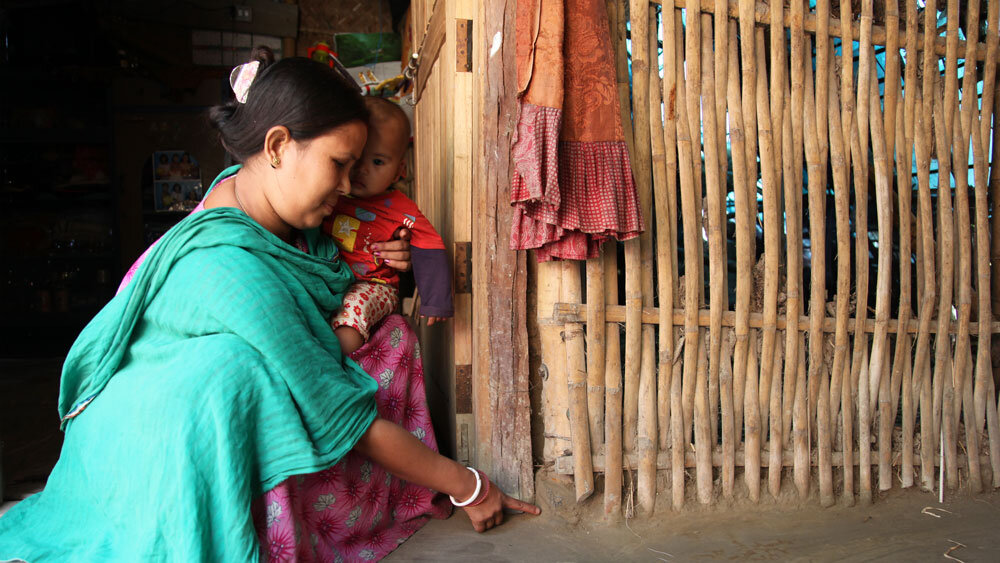
Ponchomi previously lived in a mud house. It was a one-room dwelling with thick walls made of a simple mixture of earth and water. Monsoon rains and floods eroded her home, so she had to constantly repair it. She often checked for snakes which like to burrow in the warm earth – a neighbour had died from such a bite. Her outbuilding was barely standing; the bamboo having rotted from rising damp and termite attack.

She dreamed of a house where she could feel safe with her children, a building that would withstand the elements. As a day labourer, her husband didn’t earn enough money to buy the bricks they needed, so they were about to borrow money from a loan shark.

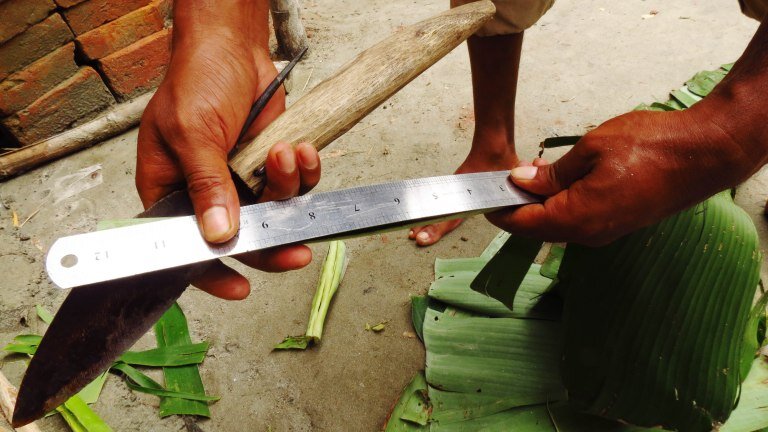
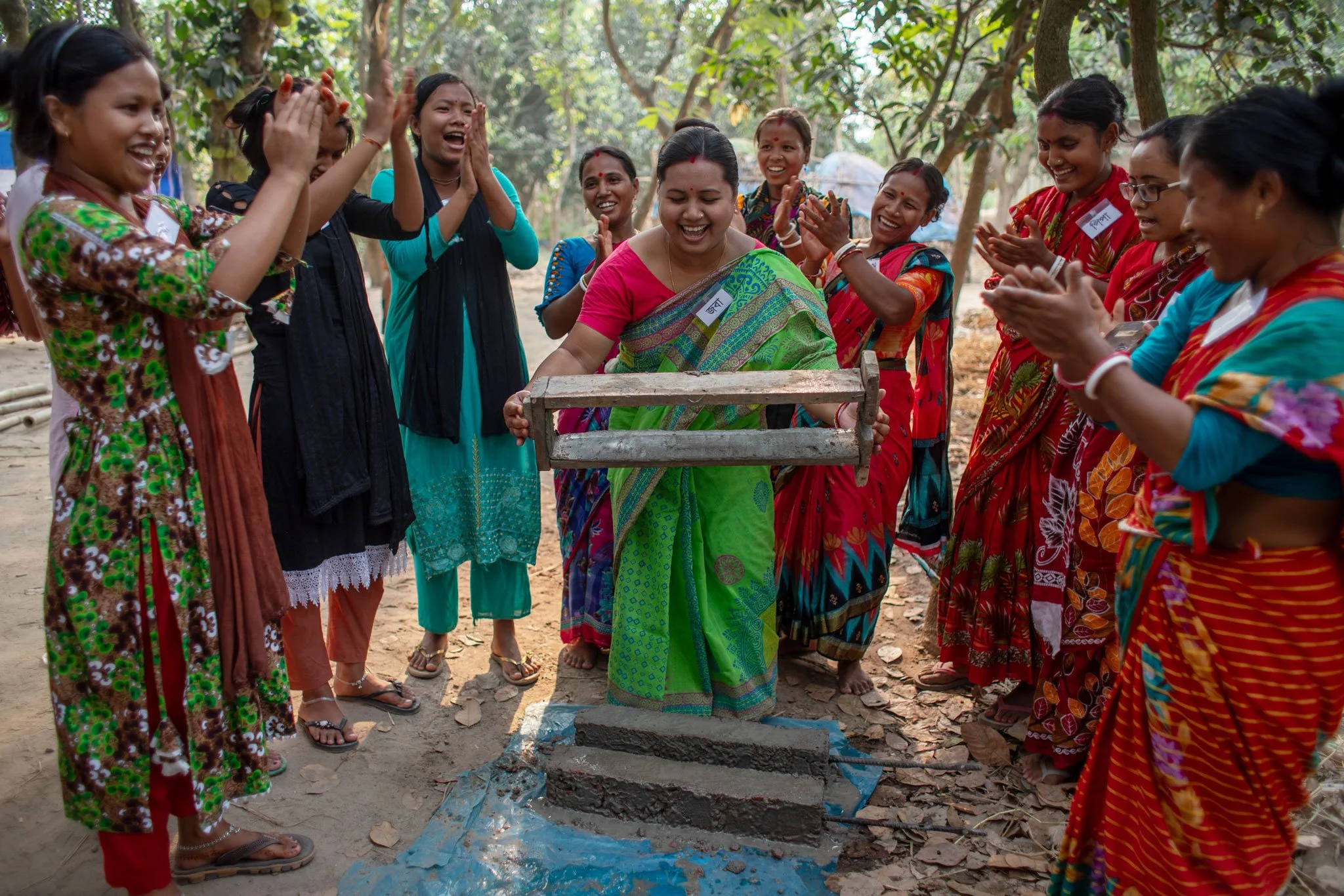
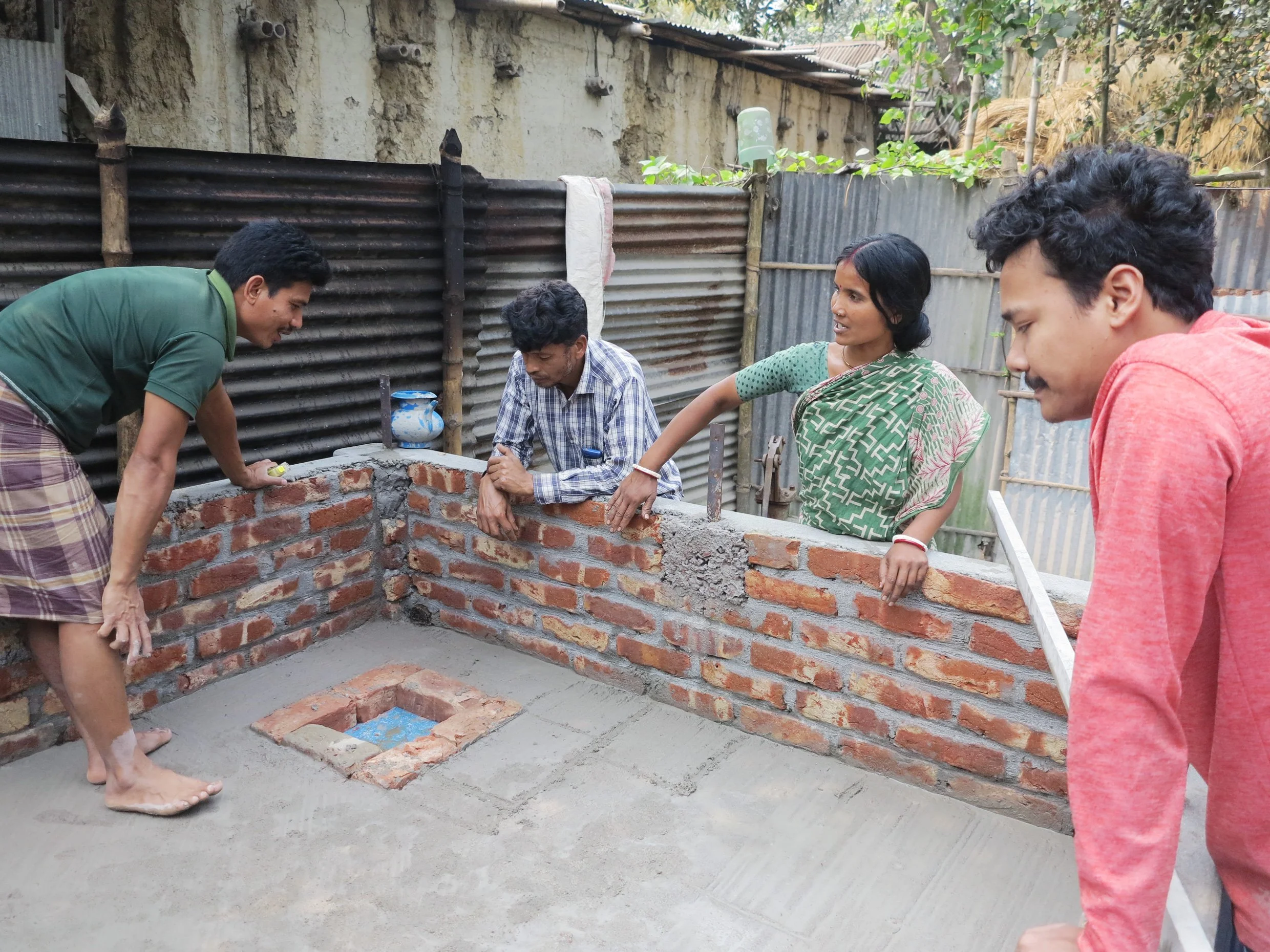
Ponchomi heard about our ‘build for safety’ workshops, which offered an alternative and joined the training. We returned to see what difference it has made. Her family now live in a secure bamboo-frame house. The posts are raised above the damp earth on kaatla (pad foundations), the material is treated to resist termites, cross bracing reinforces the structure and stops it from twisting during storms and seismic activity, the corrugated iron sheet roof is securely tied back into the structure and steel bolts strengthen the primary building joints.

My house is much stronger now. It will last longer. These are small improvements but they make a big difference.
— Ponchomi

She invited us in for tea and proudly showed us all the improvements they’ve made. They only borrowed a small sum, and they’ve already paid it back. She’s now dreaming of an extension; a second room for when her children grow up. She feels confident she’ll again be able to use the techniques she learned.

Ponchomi is happy to share her skills. She’s now an advocate in her village for what can be achieved with bamboo, which is often seen as a ‘poor man’s’ material.

Help us train more women to build for safety in Bangladesh. Donate to our training programme.

Visit our project page for more information.

Author: J. Ashbridge

Design is meeting needs

We attended a ‘design quality’ conference for the built environment. One workshop, ‘Winning the hearts and minds’ was summarised as, ‘Engaging the community to obtain a YIMBY instead of a NIMBY (not in my back yard),’ or ‘How to assure you get your design through planning without local opposition’.

This suggests quality design is not a result of quality engagement, but rather, engagement is simply a tool to gain people’s favour (and that we already know what quality design is, so why would we need to learn from those who live and work there?)

What our project with Emmaus St Albans shows is that quality engagement right from the outset is vital for design that does what it’s supposed to do - meet users needs, hopes and dreams.

We began working with homelessness charity Emmaus UK in collaboration with Ryder and CRASH. We led a participatory design process to define the ‘big idea’ for expansion of their building in St Albans. This building is responsible for housing, training and employing 33 formerly homeless people.

Emmaus UK supports over 700 homeless men and women every year, known as companions. The social enterprise arm of Emmaus UK - their shops - recycles or reuses 3,302 tonnes of items. The shops are central to the charity’s success. They provide opportunities for companions to rehabilitate, learn and grow, while supporting the financial sustainability of the charity.

We gained insight into the experience and needs of those using the building - the companions, staff, leadership and trustees through co-design workshops, interviews, focus groups, participatory photography, and most importantly conversations over cups of tea.

A consensus was reached to expand the storage and shop floor space, something that came as a surprise to the Chief Executive, who believed the companions would have chosen to expand the leisure space.

Companion
Companions

Since the completion of the building, “profitability went up 23%”. The CEO, Tony Ferrier, believes the expanded space and storage has allowed staff to better look after and store items, creating an improved experience for them and for customers.

The St Albans location has added resiliency to the greater Emmaus Hertfordshire branches. One staff member shares,

It’s taken a bit of pressure off. We have another shop that isn’t doing quite as well. It still means that we’re keeping steady. [It’s] a safety net.

Our early conversations with companions revealed that there was a fundamental issue with loading furniture and other goods into the shop. There were between 7 and 10 tonnes of furniture going through the front door each year, which caused “havoc” one companion described.

It’s made a vast improvement on the shop. I could remember one time we were having to lug an item, trying to stack it in there and trying to lift [sofas, king sized beds and stuff like that] past customers without hitting them... trying to get it through that front door, which is not exactly the biggest.
Companion

Friction with customers before the extension led to arguments. This friction was aggravated by the physical and psychological state the companions may be in at any particular time. One companion shared, “a lot of people that come in here they suffer from anxiety, depression… not able to talk to people. When I first moved in here, I had really bad anxiety”.

The new space has gone a long way to address the range of needs for the range of users. As a result of the building “you’re not banging around so much, you’re not trying to dodge customers” and “we don’t have customers diving on us before the furniture’s even been put up”.

Since construction, companions and staff have noticed a range of positive outcomes. Aside from, “it has made life a lot easier” the expanded space has ultimately resulted in:

  • Increased safety in the management of stock coming into and out of the shop - greater ease of working

  • More opportunities for companions to work and grow

  • Fewer mistakes, particularly around merchandising - greater confidence working on the shop floor

  • Reduced friction between companions and customers

  • A greater sense of place and belonging in the building

  • More professional layout of goods

These outcomes are a direct result of brilliant collaboration between companions, staff and customers. The shop has improved financial sustainability for the charity, the shopping experience for customers, and physical and psychological security for companions.

To learn more visit the project page.


Author: N. Ardaiz