
We’re feeling the heat. The Met Office has issued a rare ‘red: extreme heat’ warning for the UK, as temperatures rise towards 38°C. And we're far from alone – France, Spain and Italy are under the same red alerts, with dangerous heat reaching corners of Europe not built for it.
Many of us can take the edge off. We run the cold tap and fill a glass. We switch on a fan, if the electricity bill isn't a worry. We step into a local library where the air is cooler.
But that comfort has never been shared equally. There may well be people on your own street who can't afford to keep their home cool, or an elderly neighbour facing the heat alone.
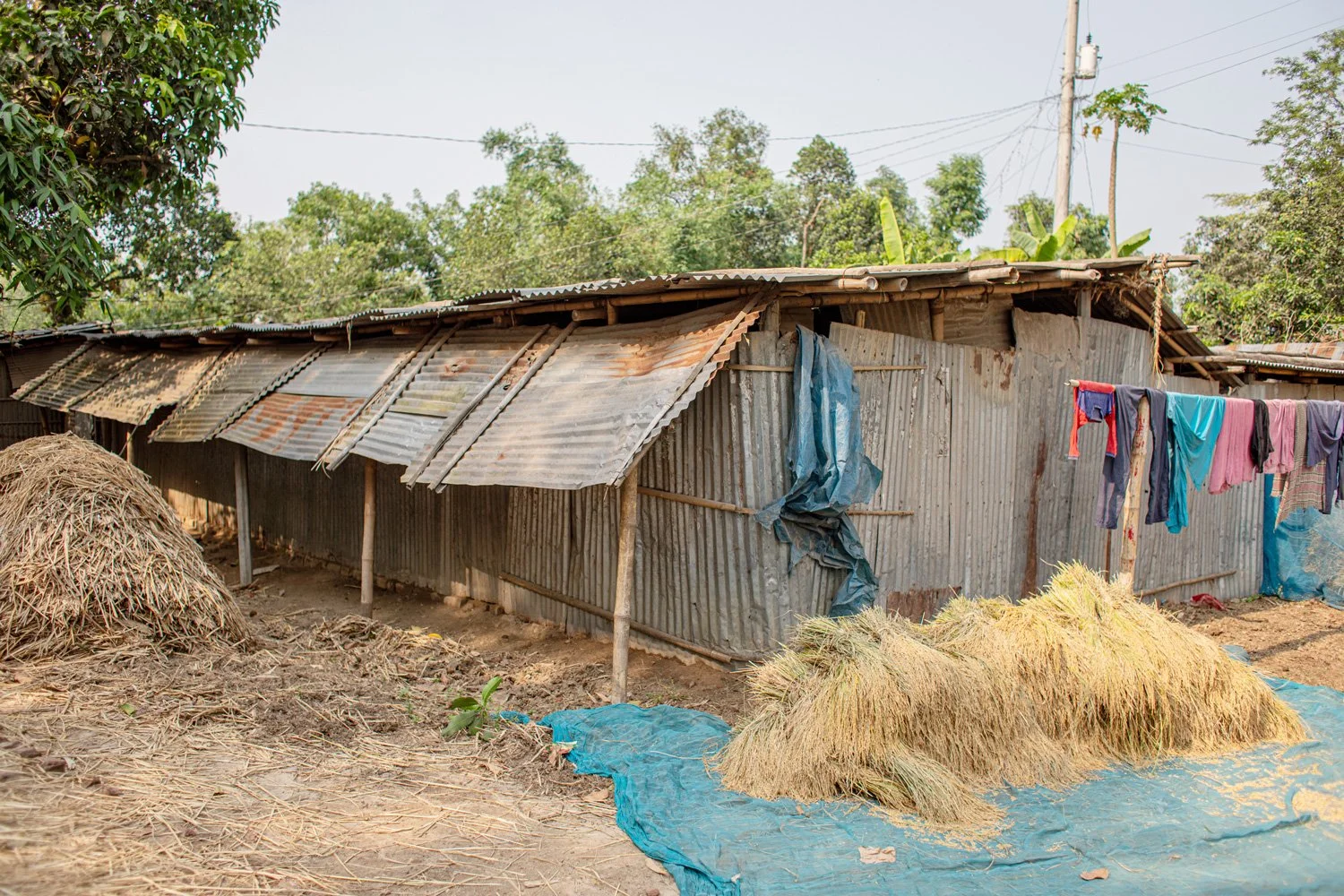
And the women and families we work with in rural Bangladesh face it with few options. There's often no piped water to the house. A fan, and the electricity to run it, can be out of reach. Nowhere nearby offers a cooler place to retreat to. The heat remains after long days in the fields and caring for family. Rest is rarely on the table.
And it's no longer a passing season. Bangladesh now ranks second in the world for exposure to extreme temperatures, and since 1980 the ‘feels like’ temperature has risen by 4.5°C. In the summer of 2025, close to 60 million people across Bangladesh endured life-threatening heat. The toll on health is real: cases of diarrhoea and respiratory diseases double, and women are among the most likely to suffer heat exhaustion and heat stroke.
“In extreme heat, poorly built homes feel like ovens. But women’s work never stops. It impacts their health, sleep and wellbeing. They have no choice but to endure it.”
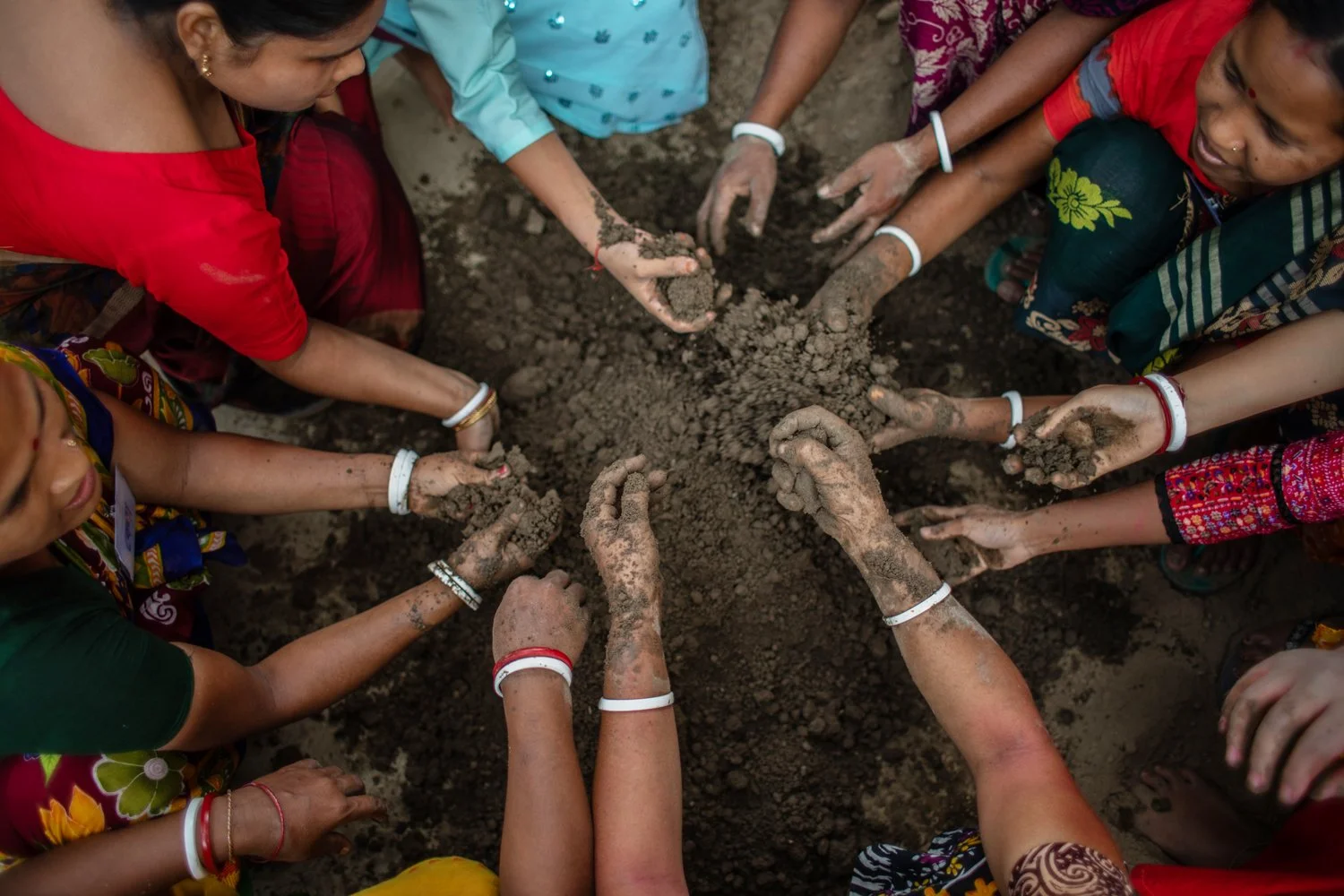
This is where the home itself can help. Much of AzuKo’s work pairs traditional building methods with practical upgrades. Vernacular* architecture works with the climate – for example, thick earth walls act as thermal mass absorbing heat during the day to keep interiors cool. They then release that stored warmth slowly once the air cools at night. As nights themselves grow warmer, a home that starts the evening cooler matters all the more. But those same earthen walls are vulnerable. Heavy rain, humidity and flooding wear them down, and families lose precious time to constant repairs.
The fix doesn’t have to be costly. Simple additives and stabilisers (often materials that can be found in the village) coupled with good design principles, help earth walls become more water resilient and longer lasting. This means less maintenance, less money spent, and more time and energy to rise above poverty.
“A good house is cool and airy in summer, warm in winter and protected from storms. The whole family can live together safely and healthily. Only in such a house can a family live with dignity.”
The heat will come again next year, and the year after. The question is who gets to meet it from somewhere safe?
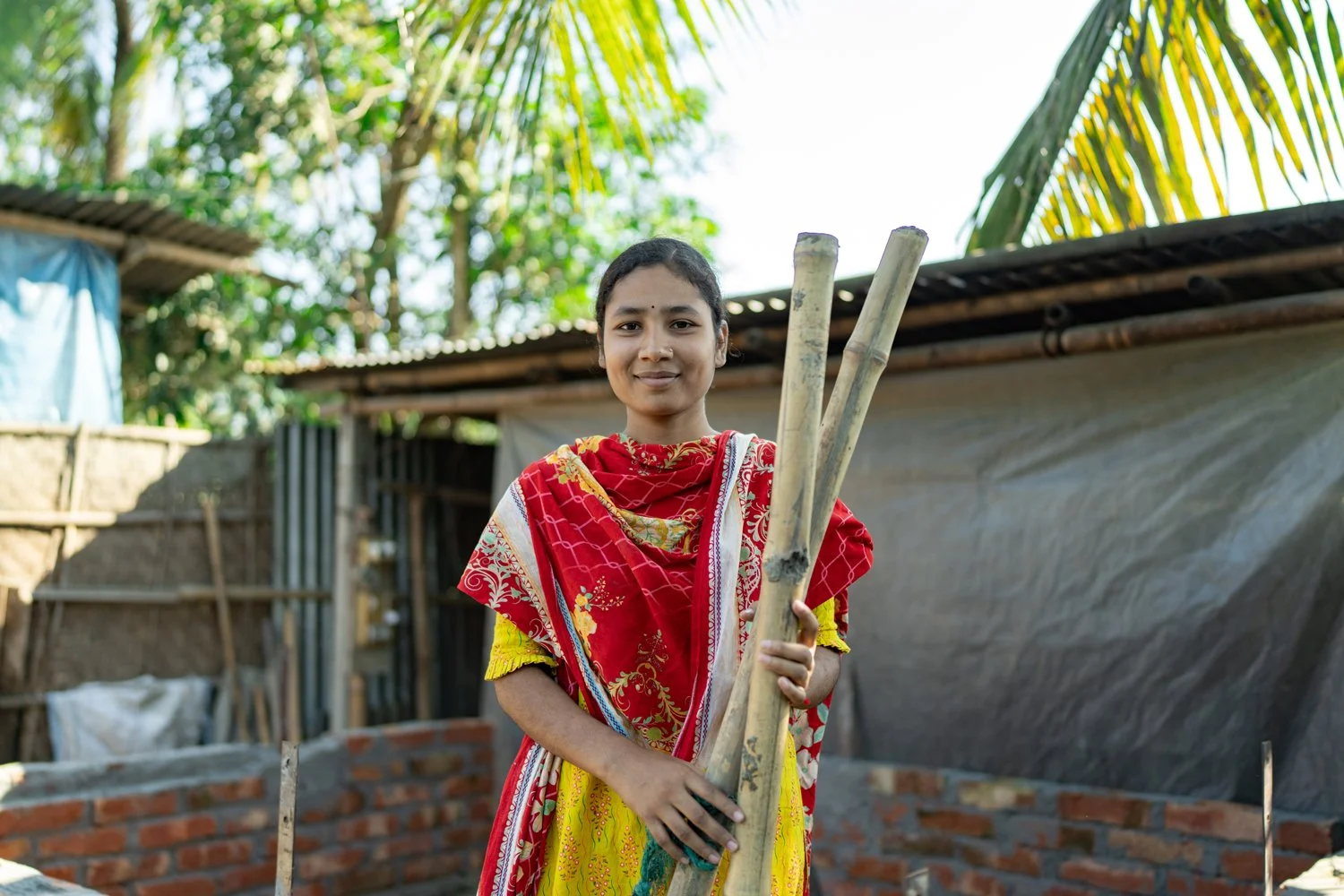
With your support, a woman in Bangladesh can build a home that holds the worst of it at bay – and gives her family the chance to look beyond simply surviving the summer.
Give today, and help build that home.
* Vernacular architecture is building rooted in a particular place and culture: made from local materials, shaped by techniques passed down over generations, and designed to work with the climate rather than against it. It's the practical knowledge of communities, not formally trained architects.
If you know someone who might be at risk, there are things you can do.
In the UK, your local council can offer advice if you're concerned about a friend, neighbour or family member who needs extra support. The Government's Beat the heat guidance and the NHS pages on heat exhaustion and heatstroke explain how to spot the warning signs and help someone stay safe.
In Bangladesh, the national Guideline on heat-related illness and UNICEF's technical note on protecting children from heat stress set out practical steps to recognise and respond to heat-related illness.