Housing

A woman's place...

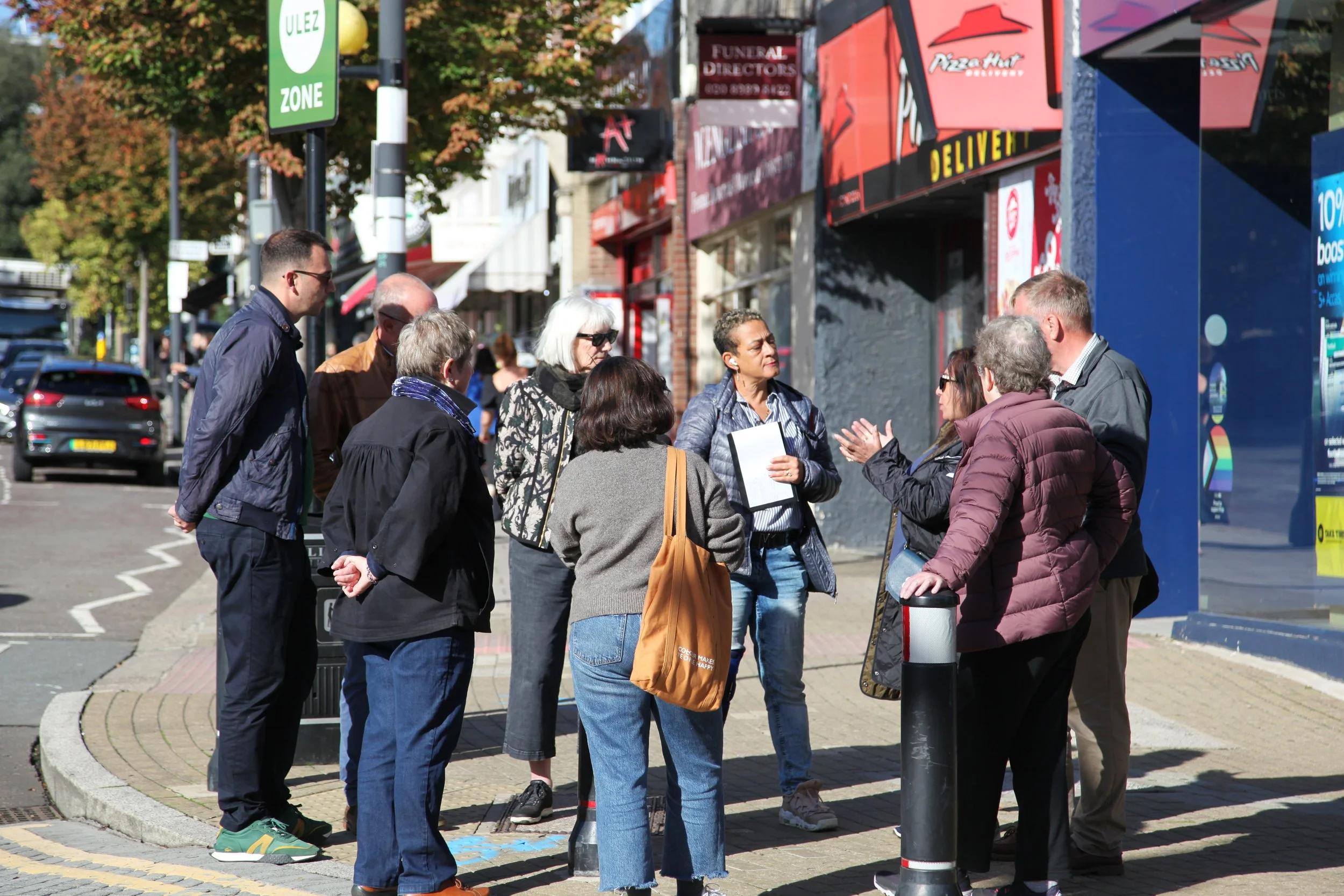
A woman’s place is in the home.

Over 2,500 years ago, a Greek playwright wrote much the same. For centuries, this idea has been used to keep women small, quiet, dependent, unseen.

“Let women stay at home and hold their peace”
— Aeschylus, Seven Against Thebes, 467 B.C.

We’re launching a campaign that says otherwise.

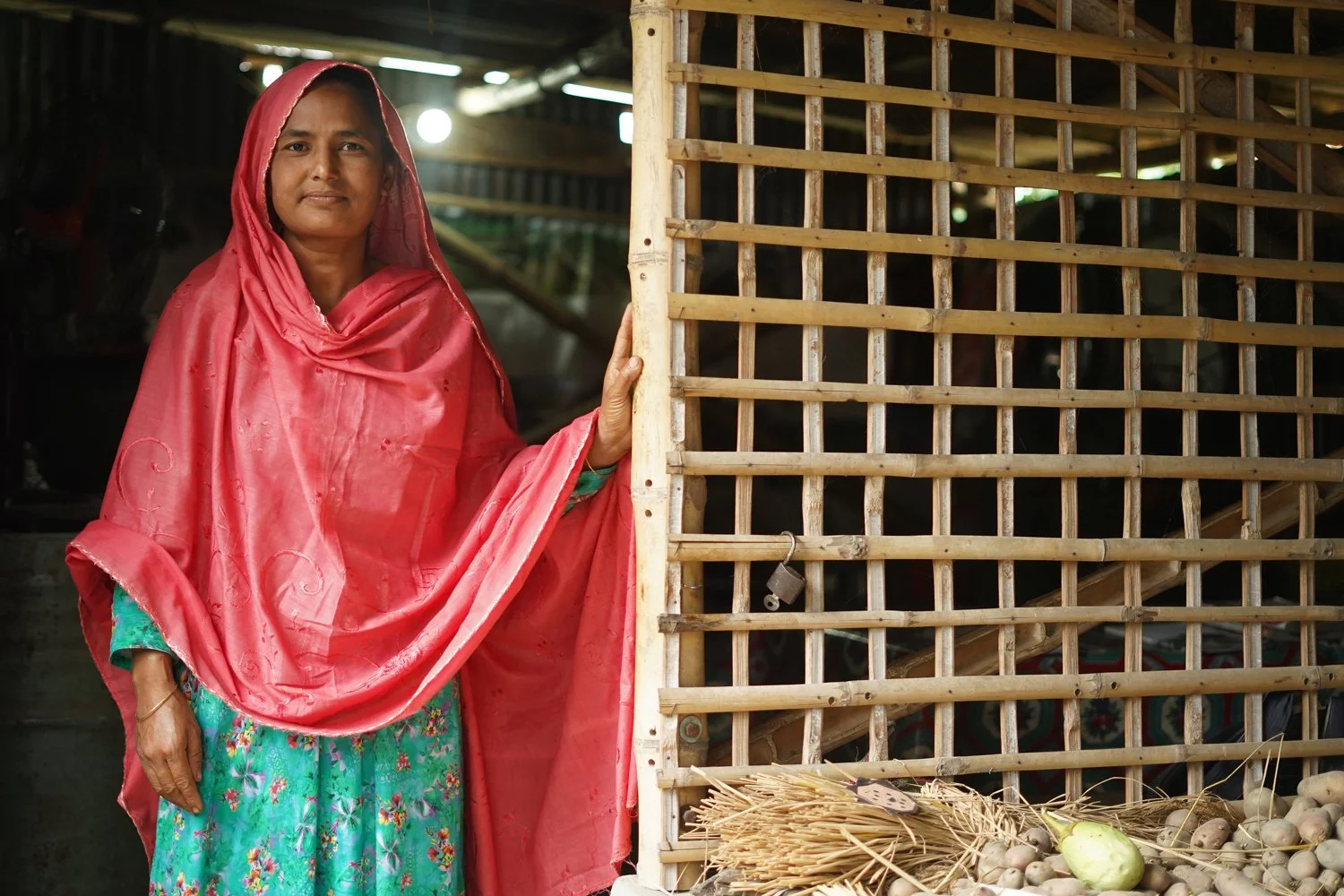
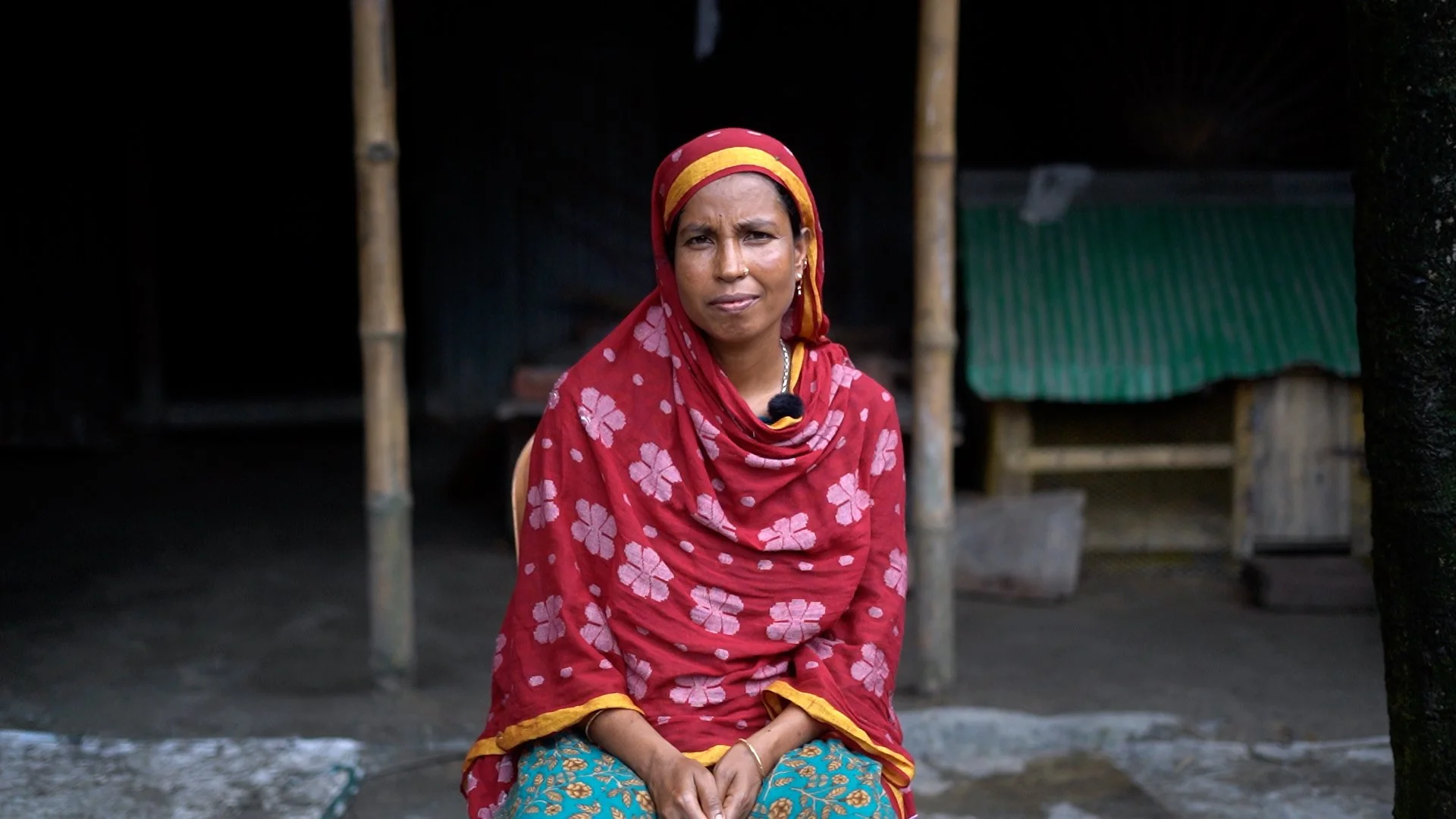
Meet Amena. In 2017, floods destroyed her home in rural Bangladesh. Four years later, her husband died. He was the sole income earner. To survive, she sold her belongings, her animals, her land.

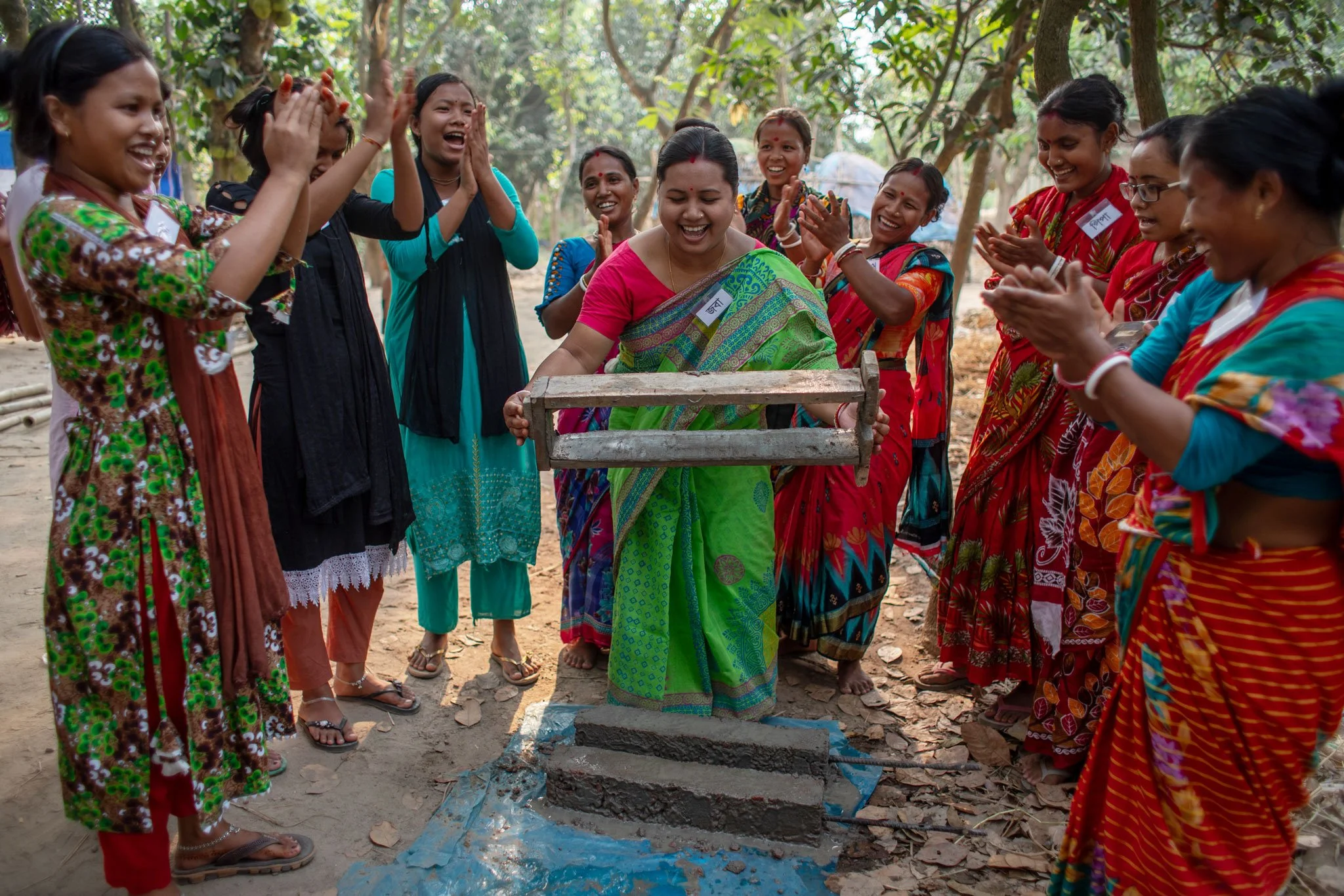
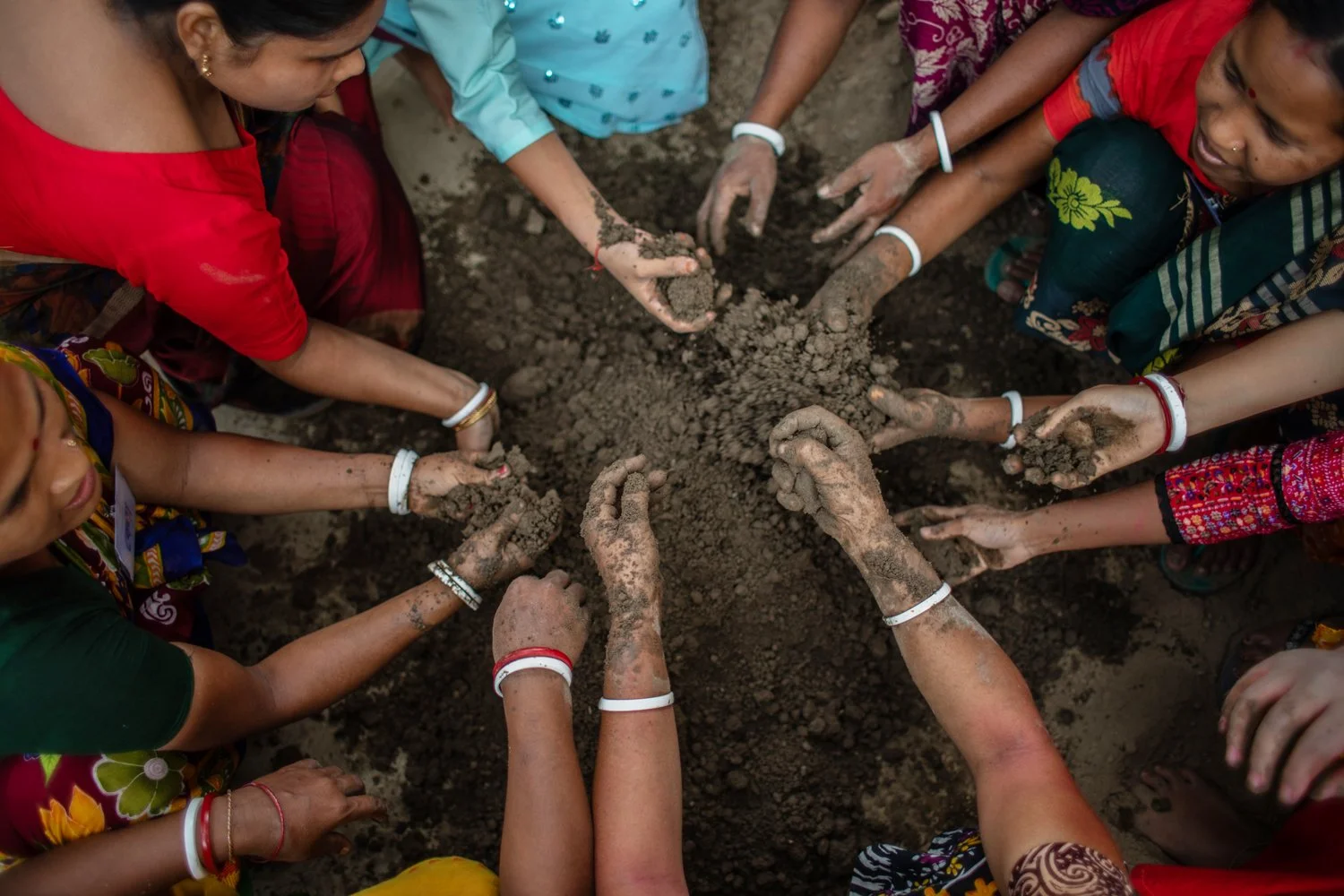
You might say she lost everything. Amena didn’t see it that way. She joined our construction training course and learned to build. She joined a women’s savings group and, for the first time in her life, could borrow on fair terms.
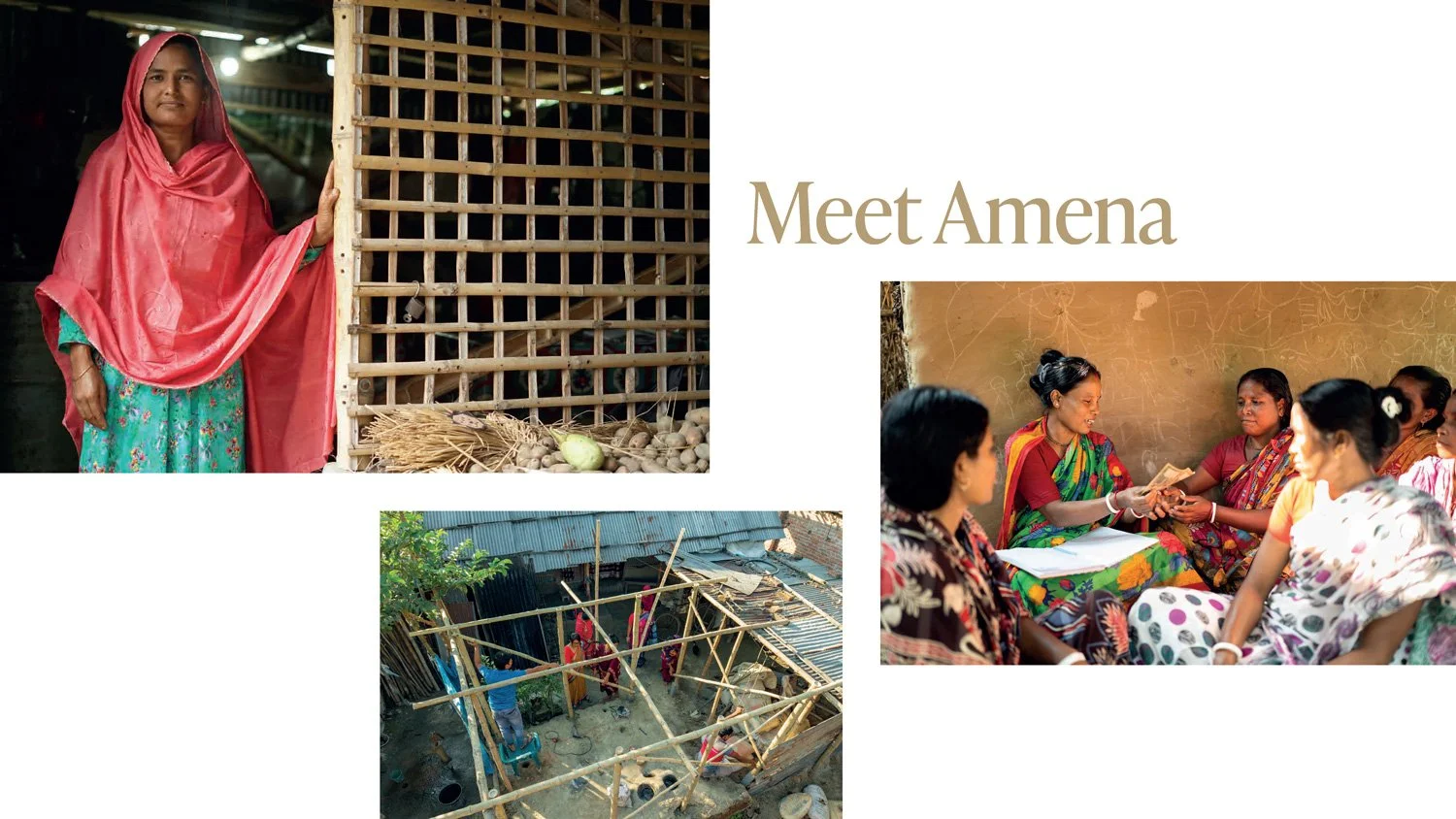
Amena's journey

Today, she’s building her own home, with her own hands. Including a clean, healthy kitchen which no longer fills with thick black smoke. In Amena’s words…

“I learned if I have to do something, I can stand by myself. I just need the opportunity.”

That’s a Homemaker.

Not a woman confined to her home, but one who designs, finances and builds it. And Amena isn’t alone. Across Bangladesh, and the UK, women are doing exactly this.

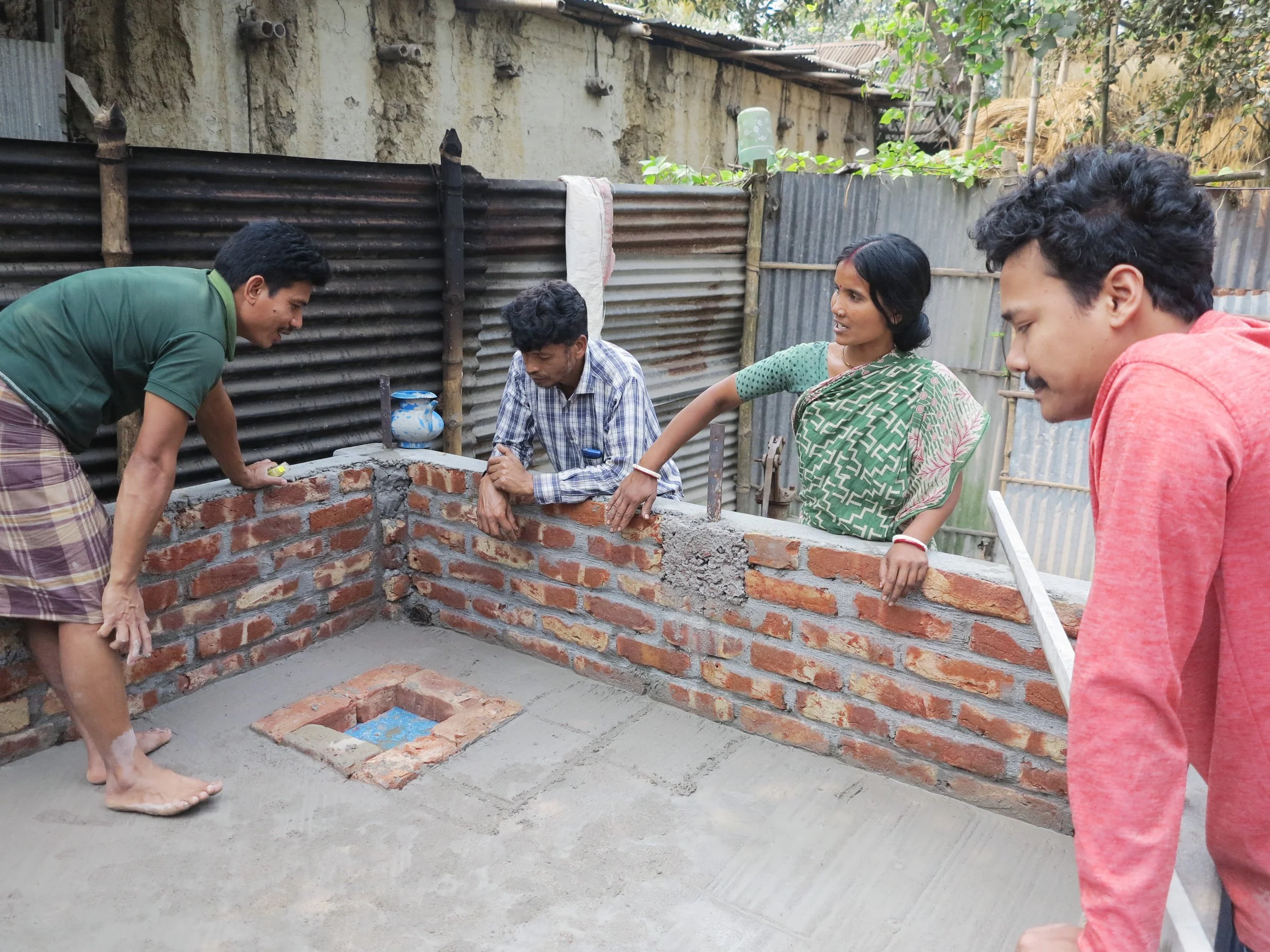
We’re AzuKo, a housing charity. And we’re launching The Homemakers – a five-year campaign led by these women, across both countries. It funds construction training, housing advice, fair finance and the building of safer homes. And puts women in front of the camera, telling their own stories, on their own terms.
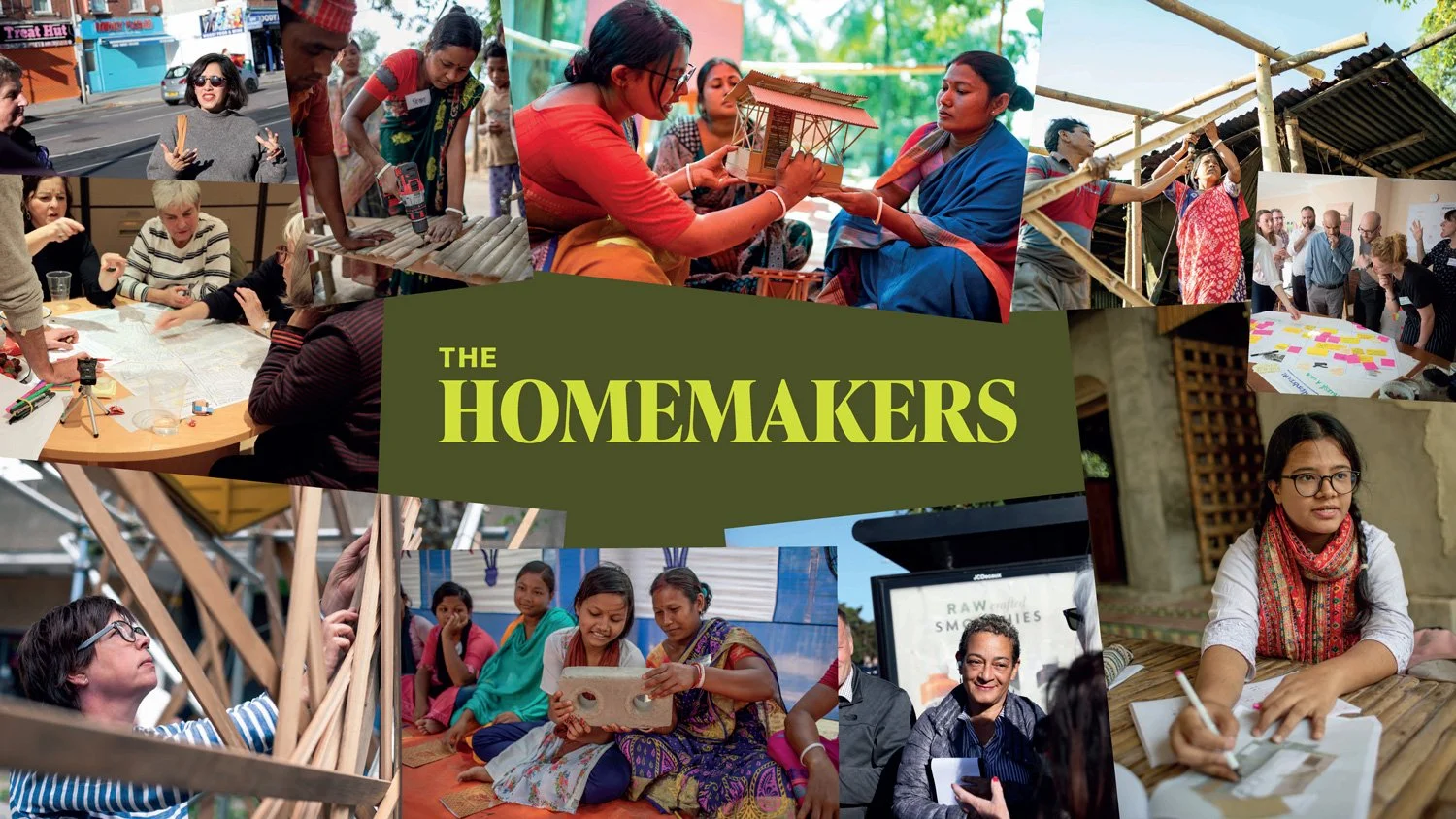
The Homemakers campaign

£87 supports one woman in Bangladesh to access construction training… the first step on a pathway out of poverty. We’re aiming to train 5,000 by 2030.

You can…

  • Build women’s knowledge, skills, and confidence in construction.

  • Build safe, decent homes.

  • Break down gendered stereotypes, and the barriers that deny women their housing, property and land rights.

For centuries, women have been told their place is in the home. We say…

A woman’s place is wherever she builds it
 

Keeping cool shouldn't be a privilege

We’re feeling the heat. The Met Office has issued a rare ‘red: extreme heat’ warning for the UK, as temperatures rise towards 38°C. And we're far from alone – France, Spain and Italy are under the same red alerts, with dangerous heat reaching corners of Europe not built for it.

Many of us can take the edge off. We run the cold tap and fill a glass. We switch on a fan, if the electricity bill isn't a worry. We step into a local library where the air is cooler.

But that comfort has never been shared equally. There may well be people on your own street who can't afford to keep their home cool, or an elderly neighbour facing the heat alone.

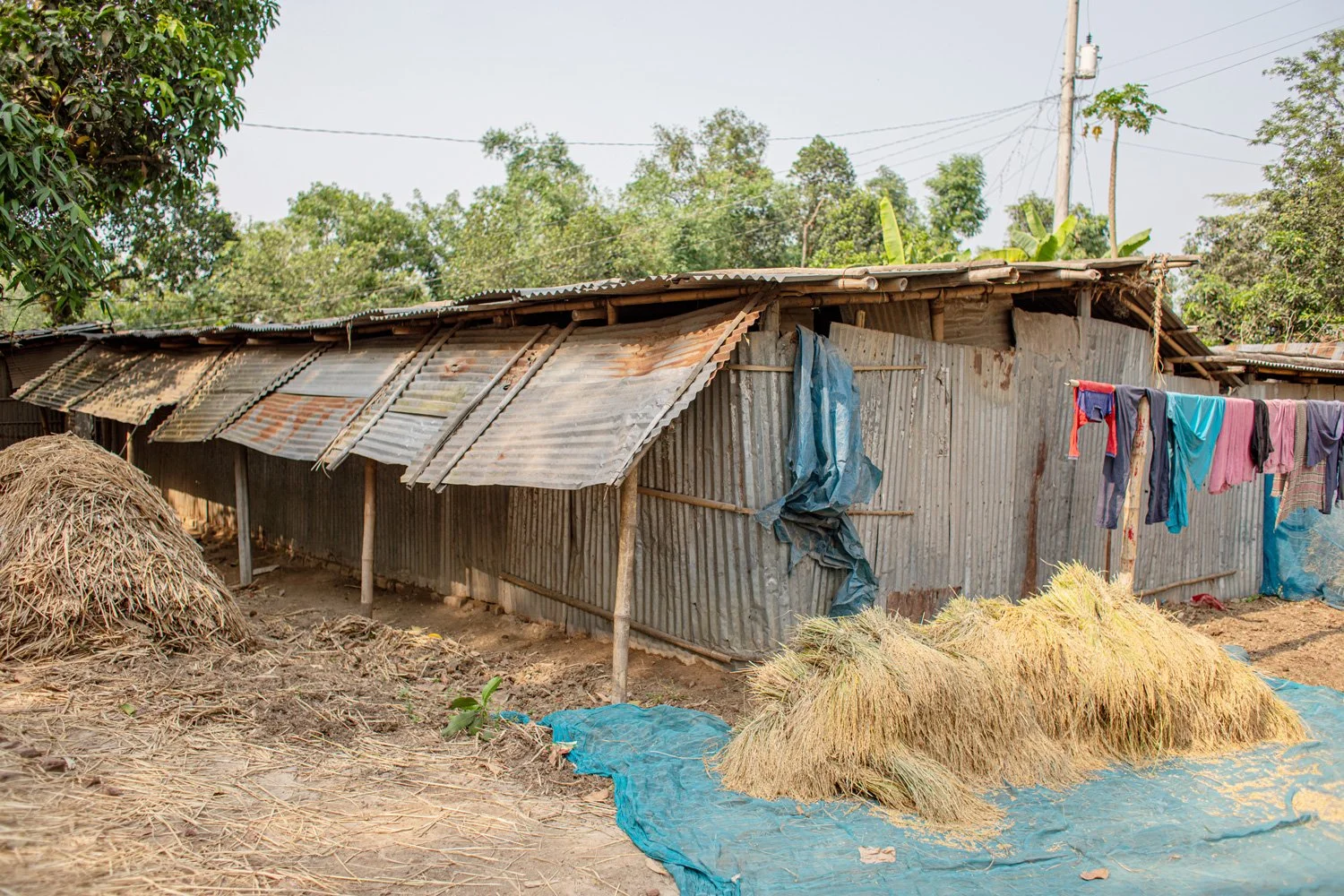
And the women and families we work with in rural Bangladesh face it with few options. There's often no piped water to the house. A fan, and the electricity to run it, can be out of reach. Nowhere nearby offers a cooler place to retreat to. The heat remains after long days in the fields and caring for family. Rest is rarely on the table.

Corrugated iron sheet house, rural Bangladesh

And it's no longer a passing season. Bangladesh now ranks second in the world for exposure to extreme temperatures, and since 1980 the ‘feels like’ temperature has risen by 4.5°C. In the summer of 2025, close to 60 million people across Bangladesh endured life-threatening heat. The toll on health is real: cases of diarrhoea and respiratory diseases double, and women are among the most likely to suffer heat exhaustion and heat stroke.

“In extreme heat, poorly built homes feel like ovens. But women’s work never stops. It impacts their health, sleep and wellbeing. They have no choice but to endure it.”
— Apu (Nirapod Bangladesh Songstha)

This is where the home itself can help. Much of AzuKo’s work pairs traditional building methods with practical upgrades. Vernacular* architecture works with the climate – for example, thick earth walls act as thermal mass absorbing heat during the day to keep interiors cool. They then release that stored warmth slowly once the air cools at night. As nights themselves grow warmer, a home that starts the evening cooler matters all the more. But those same earthen walls are vulnerable. Heavy rain, humidity and flooding wear them down, and families lose precious time to constant repairs.

The fix doesn’t have to be costly. Simple additives and stabilisers (often materials that can be found in the village) coupled with good design principles, help earth walls become more water resilient and longer lasting. This means less maintenance, less money spent, and more time and energy to rise above poverty.

“A good house is cool and airy in summer, warm in winter and protected from storms. The whole family can live together safely and healthily. Only in such a house can a family live with dignity.”
— Runa (northwest Bangladesh)
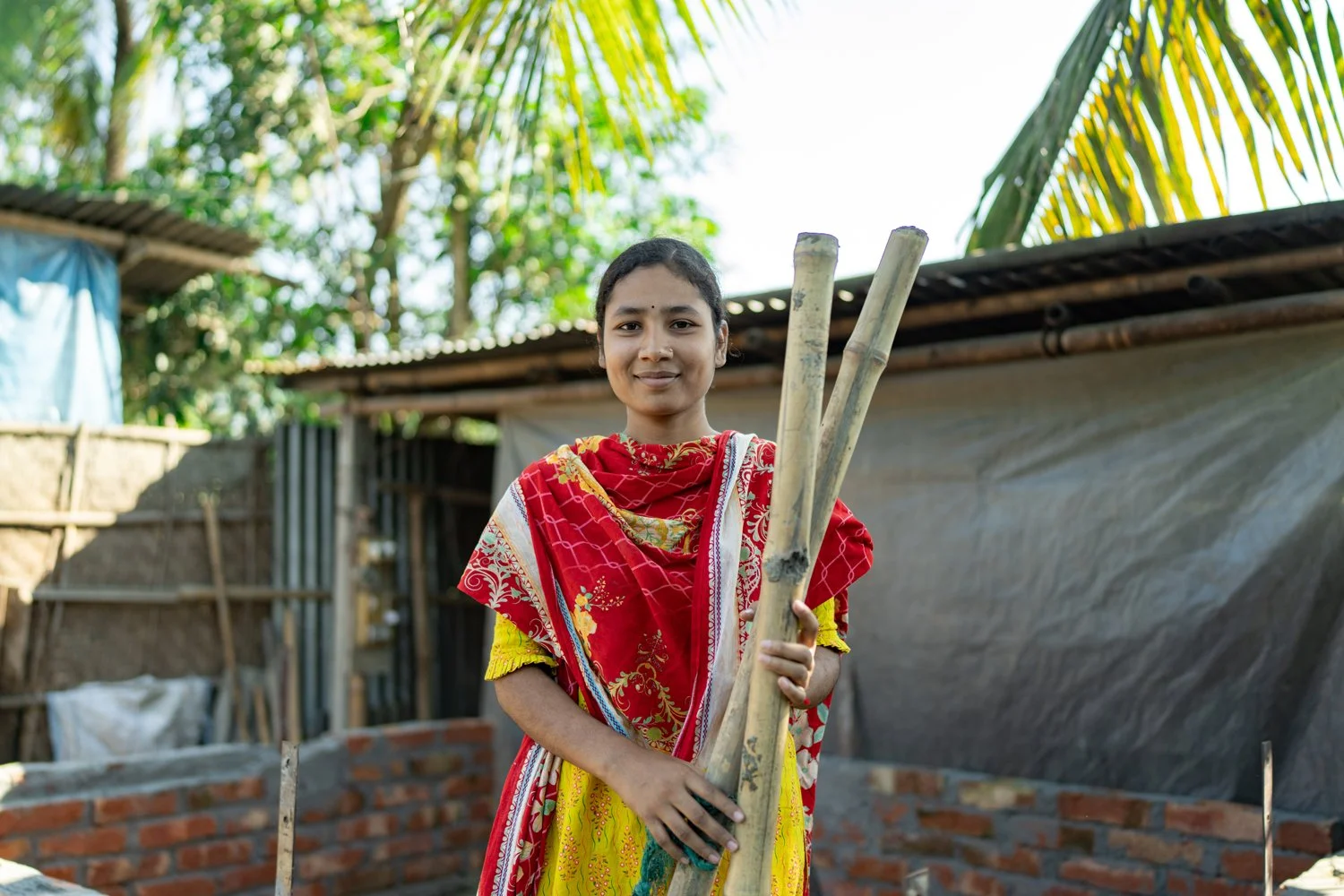
Woman holding bamboo, ready to build

The heat will come again next year, and the year after. The question is who gets to meet it from somewhere safe?

With your support, a woman in Bangladesh can build a home that holds the worst of it at bay – and gives her family the chance to look beyond simply surviving the summer.

Give today, and help build that home.


* Vernacular architecture is building rooted in a particular place and culture: made from local materials, shaped by techniques passed down over generations, and designed to work with the climate rather than against it. It's the practical knowledge of communities, not formally trained architects.

If you know someone who might be at risk, there are things you can do.

In the UK, your local council can offer advice if you're concerned about a friend, neighbour or family member who needs extra support. The Government's Beat the heat guidance and the NHS pages on heat exhaustion and heatstroke explain how to spot the warning signs and help someone stay safe.

In Bangladesh, the national Guideline on heat-related illness and UNICEF's technical note on protecting children from heat stress set out practical steps to recognise and respond to heat-related illness.

Amena's kitchen of hope

Sitting down with Amena in her home, the first thing we notice is how alive the place feels.

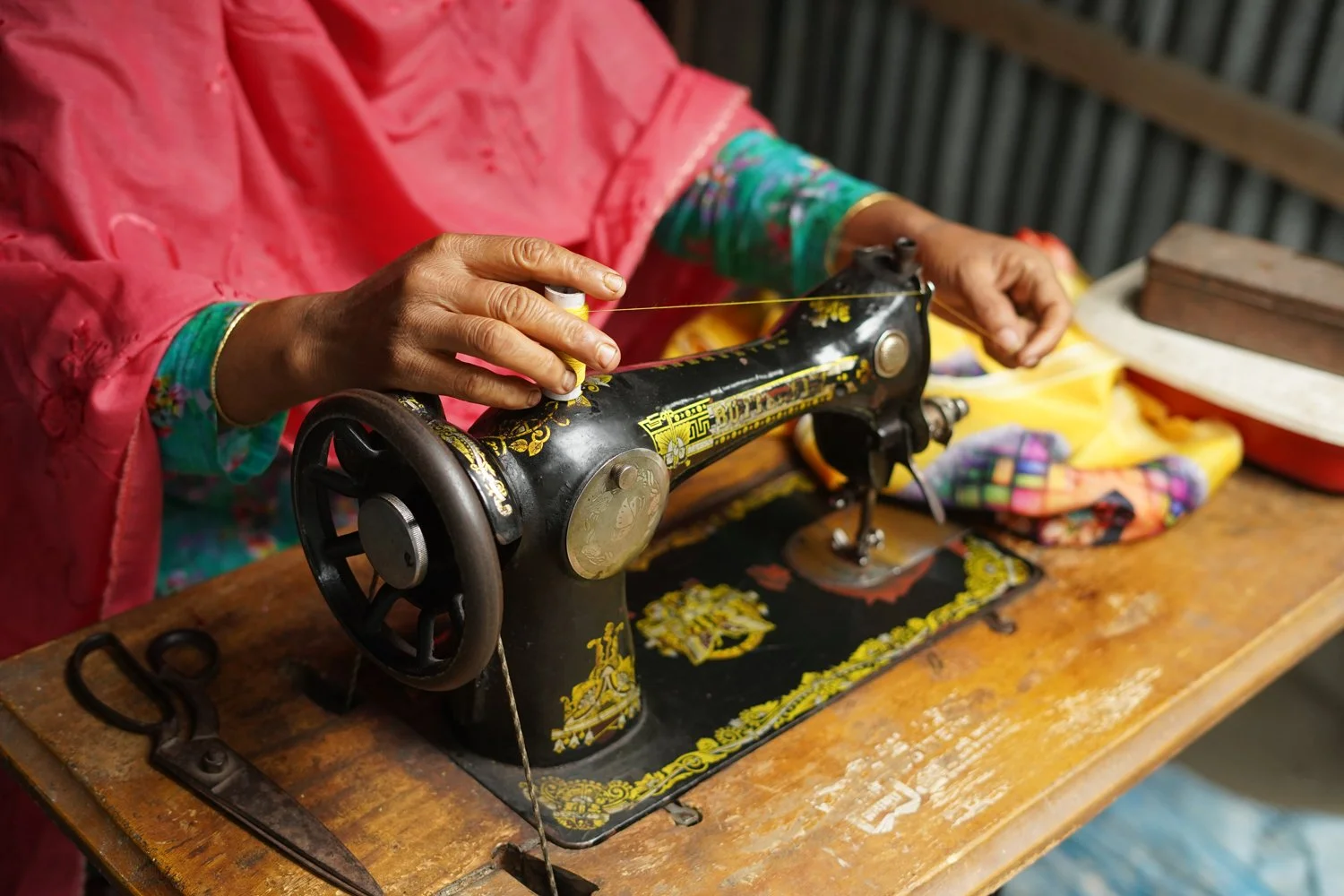
Strings of onions hang in neat clusters from the roof. Garlic dries on the floor. In one corner, a mound of potatoes waits for market; in another, a sewing machine stands ready for work. The walls are patched with colourful landscapes cut from old calendars, bringing the world indoors. Every inch of space is used with care and purpose.

Tailoring, a vital source of income

Amena lives in a village in rural northwest Bangladesh with her two sons. She’s a skilled tailor, making clothes for her family and selling salwar kameez to her neighbours. Her community is a close-knit mix of Hindu and Muslim families who celebrate together and look out for each other. Most earn their living as agricultural day labourers – a life of hard work for little pay.

All around the village, tall chimneys from brick factories rise above the fields. These traditional, outdated kilns burn coal and wood, releasing thick black smoke into the air. The pollution damages crops, contaminates soil, and worsens the already fragile climate. Farmers like Amena struggle to grow staples such as rice because the falling ash and poor air quality damage the plants before they can mature.

Amena’s life has been shaped by loss and resilience. In 2017, while she was in the capital Dhaka during her husband’s cancer treatment, floods swept through her village, destroying their home. They rebuilt what they could, but their house remained fragile. Four years later, tragedy struck again – Amena’s husband died, taking with him not only her life partner but the family’s main source of income. She sold everything she could – belongings, animals, land – just to survive.

“I had no financial support at the time. I learned if I have to do something, I can stand by myself. I just need the opportunity.”
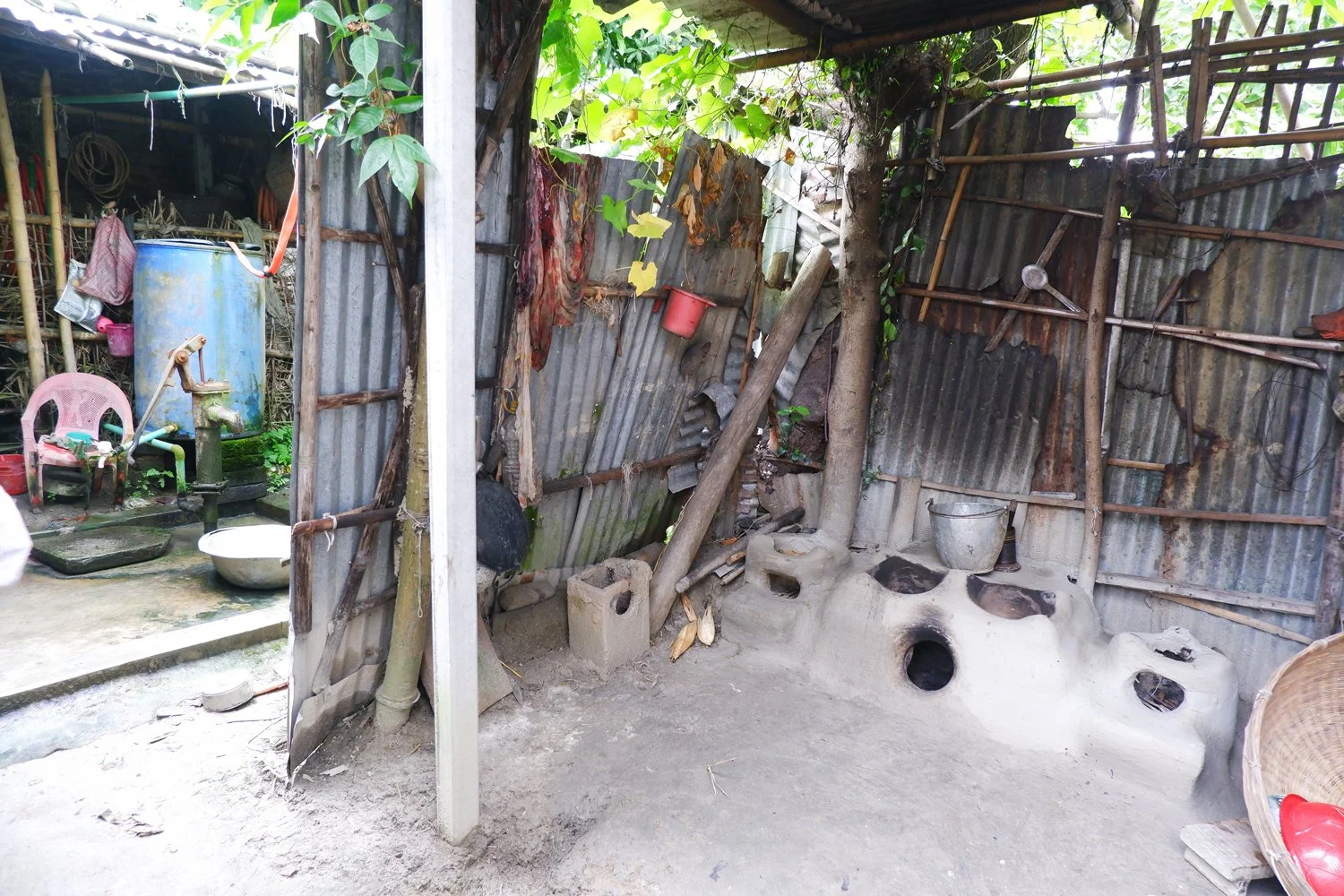
Amena’s previous cooking space
Amena and her new improved kitchen

That opportunity came when Amena joined AzuKo’s construction training. Using her new skills, she has built a stronger, safer kitchen – one that has transformed her daily life. She invested 6,000 BDT (£53) of her own money into the project, determined to contribute to her family’s future.

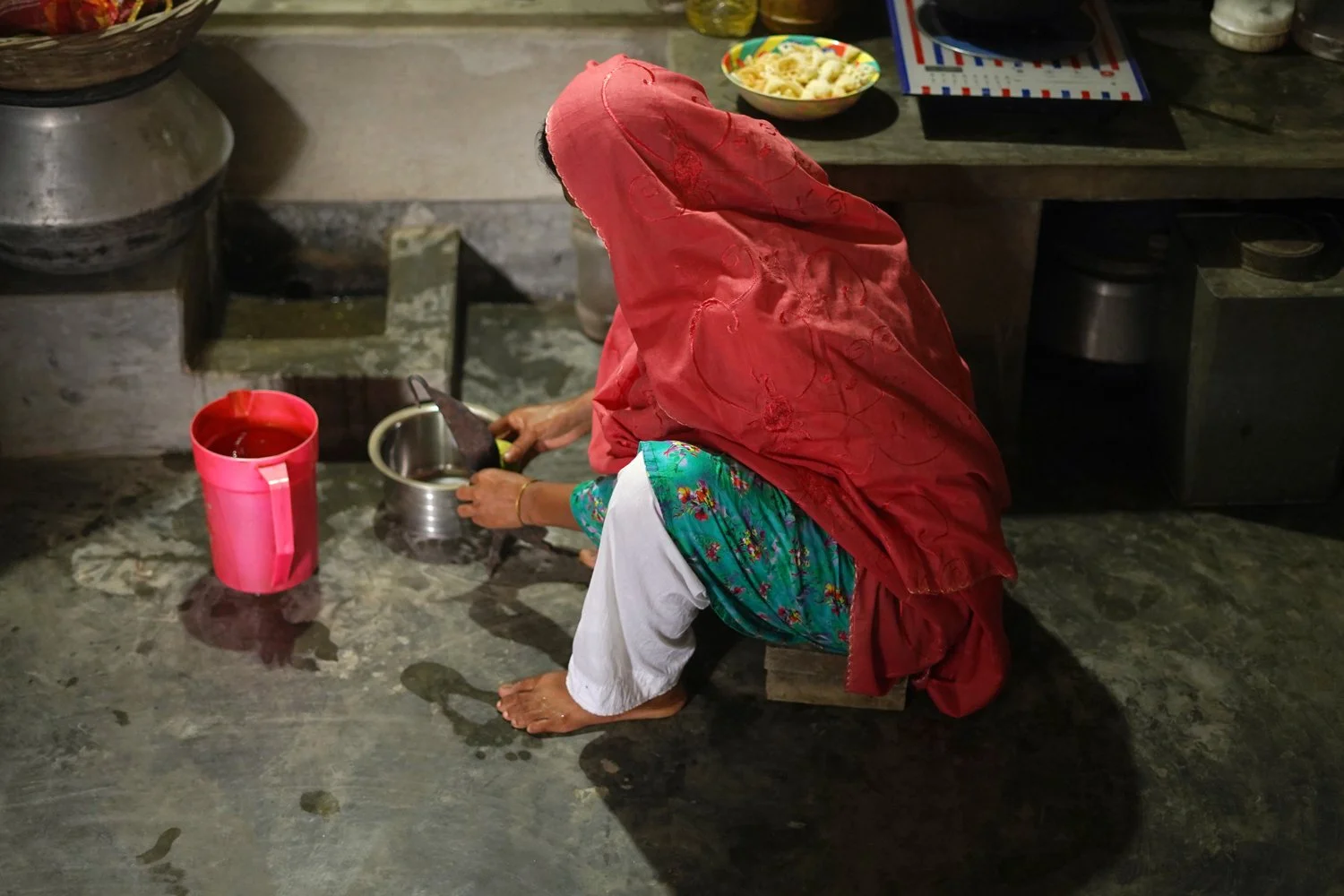
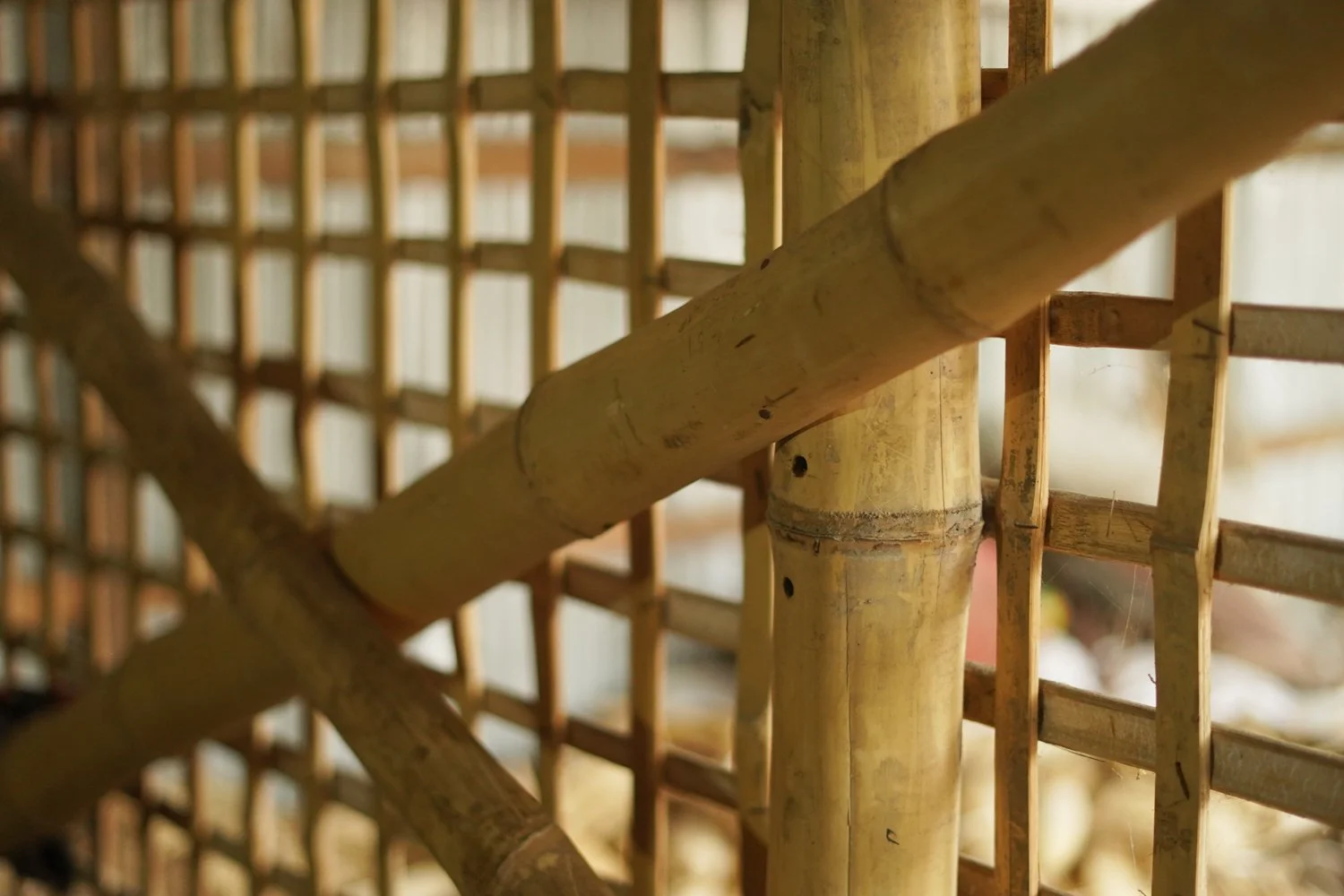
Her new kitchen is a far cry from the crumbling, smoky space she once cooked in. It now has solid foundations, crossbracing, and strong joints. There’s an electric stove, lights to cook under at night, a water station, and room to gather.

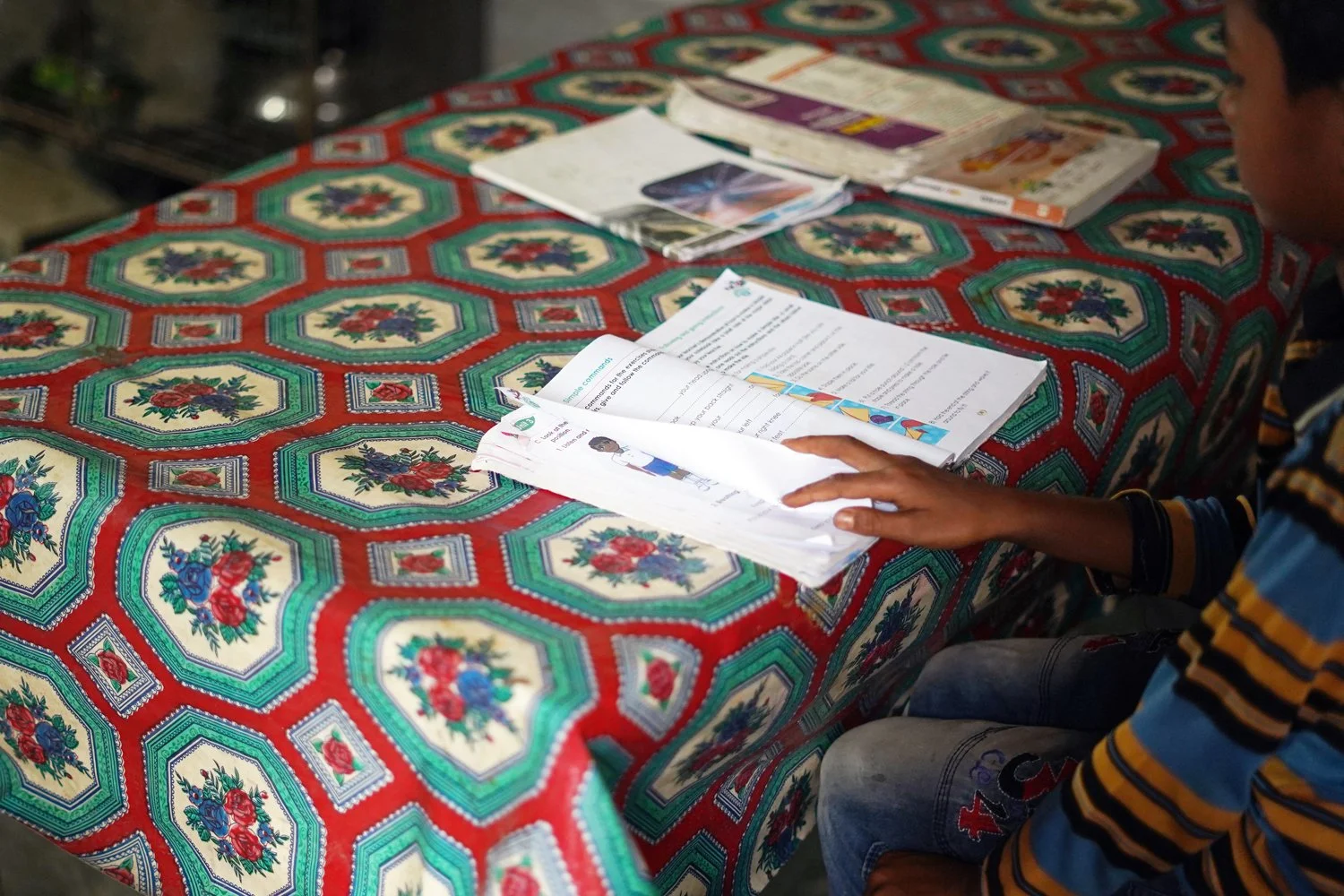
It’s the heart of the home – a place to talk, do homework, share meals and welcome guests.

Gone are the days of collecting firewood, breathing in smoke, and preparing meals on an unhygienic earth floor. Cooking is easier, faster, and safer. Amena now has more time to spend with her children and on her land, where she raises cows and chickens, and harvests rice and corn.

A dedicated space for washing and food preparation
Homework underway in the kitchen
Bamboo crossbracing

She has also joined a women’s savings group, supported by AzuKo. Every month, she puts aside a small amount, knowing she can access a low-interest loan if disaster strikes again. This safety net has given her peace of mind for the first time in years.

Amena’s dream is simple yet powerful,

“I can’t dream for myself – only for my children. I want them to get a good education and have a better life.”

She hopes one day to buy her own land and build a new, forever home, using everything she’s learned.

With your support, more women like Amena can turn hardship into hope. Give what you can, today →