
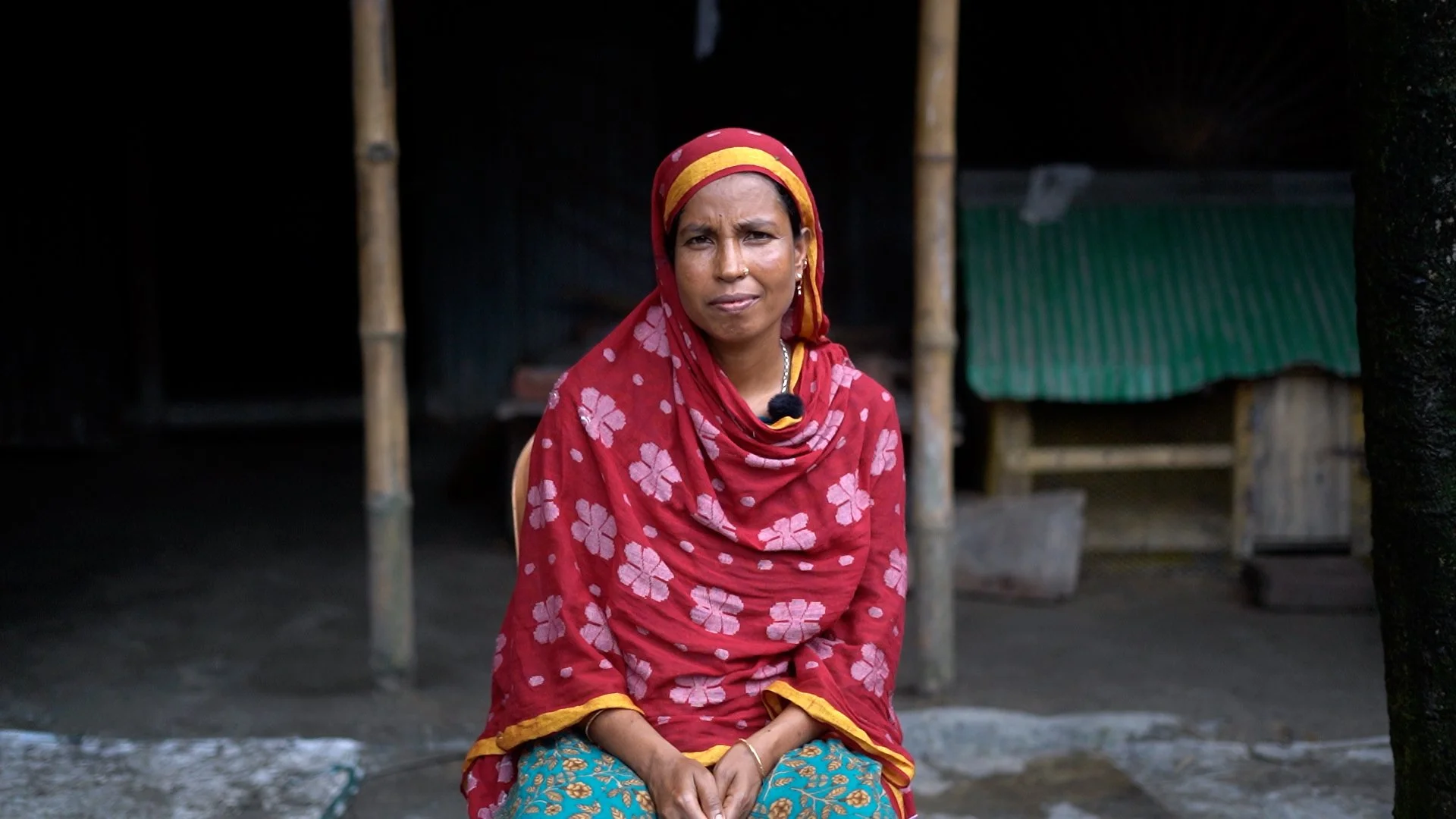
When the Teesta rises, Jorifa checks on her own children. Then she wades out into the water to check on everyone else’s. Jorifa is 37. She lives in a village on the banks of the river Teesta in northwest Bangladesh, with her husband and three children. He earns a living from the river, catching and selling fish. She runs the household. Their house sits close to the water.
By the time it reaches her door, she’s already moving.
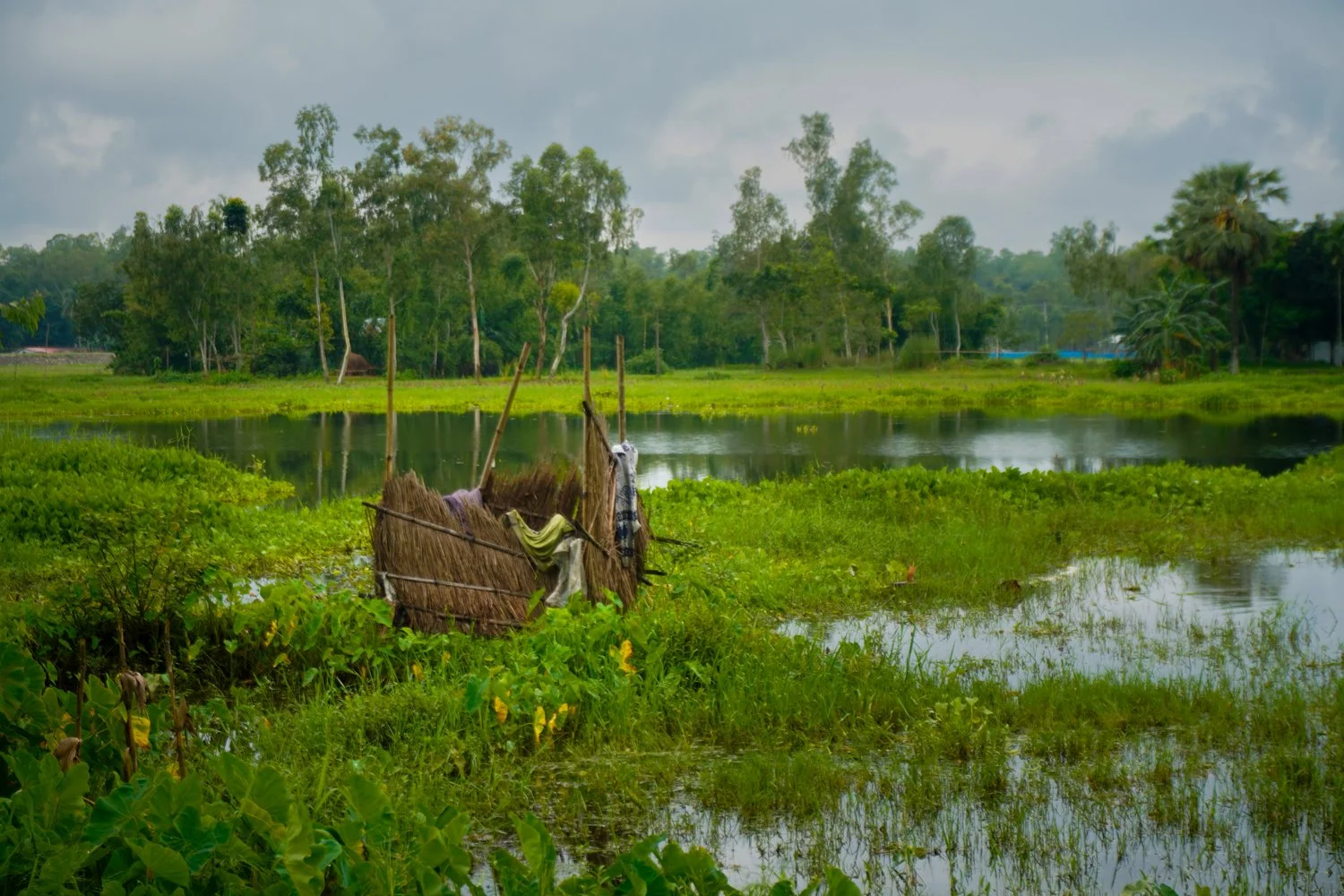
Jorifa walks waist deep through the village, working out who’s in trouble. Who has small children. Who has an elderly relative who can’t get themselves to higher ground. Whose house sits in the most exposed spot. This isn’t a role anyone gave her. It’s a role she took, because in the first hours of a flood, before any relief team can reach a village like hers, the only people who can help are those already there.
“… how can I sit quietly in my house when my neighbours are trapped in the water? Disaster does not come to only one house. The whole village has to face it together.”
When relief teams do arrive, they’re often working with limited time and limited information. They can’t know, in a single visit, which household has run out of food, whose roof is about to collapse, who’s pregnant, who’s sick, who’s disabled. Jorifa knows. She’s the difference between aid that lands roughly in the right area and aid that reaches families that desperately need it.
It’s not the kind of leadership that gets a title. It’s knowing your neighbours well enough to spot who’s most at risk, and showing up for them before anyone else does.
“I know the situation of every family in the village. I try to make sure that help reaches the people who really need it.”
The Teesta isn’t a stable river to live beside. It’s shrinking for part of the year and flooding the rest of it – and increasingly that pattern is being decided far upstream. In 2023, a glacial lake in Sikkim, India burst its banks and destroyed the Teesta-III hydropower dam, sending a surge of water down the entire river system as far as Bangladesh. Char lands (the low sandbar settlements that form and disappear along the river, often home to the poorest families because the land is unstable and rarely comes with secure ownership) are hit hardest by surges like this. Homes and crops can be washed away within hours. India’s Gazoldoba Barrage (a dam which controls how much of the Teesta’s water reaches Bangladesh) adds another layer of unpredictability; it has drastically cut dry season flow since it came into operation, while its water releases in 2025 contributed to serious flooding across Nilphamari, Lalmonirhat and Rangpur in Bangladesh. A water sharing treaty between the two countries has been under discussion for decades, without resolution.
9.15 million people share the Teesta floodplain, on land that makes up 14% of Bangladesh’s total cultivated area. More and more people continue to settle here, despite the river becoming harder to predict.
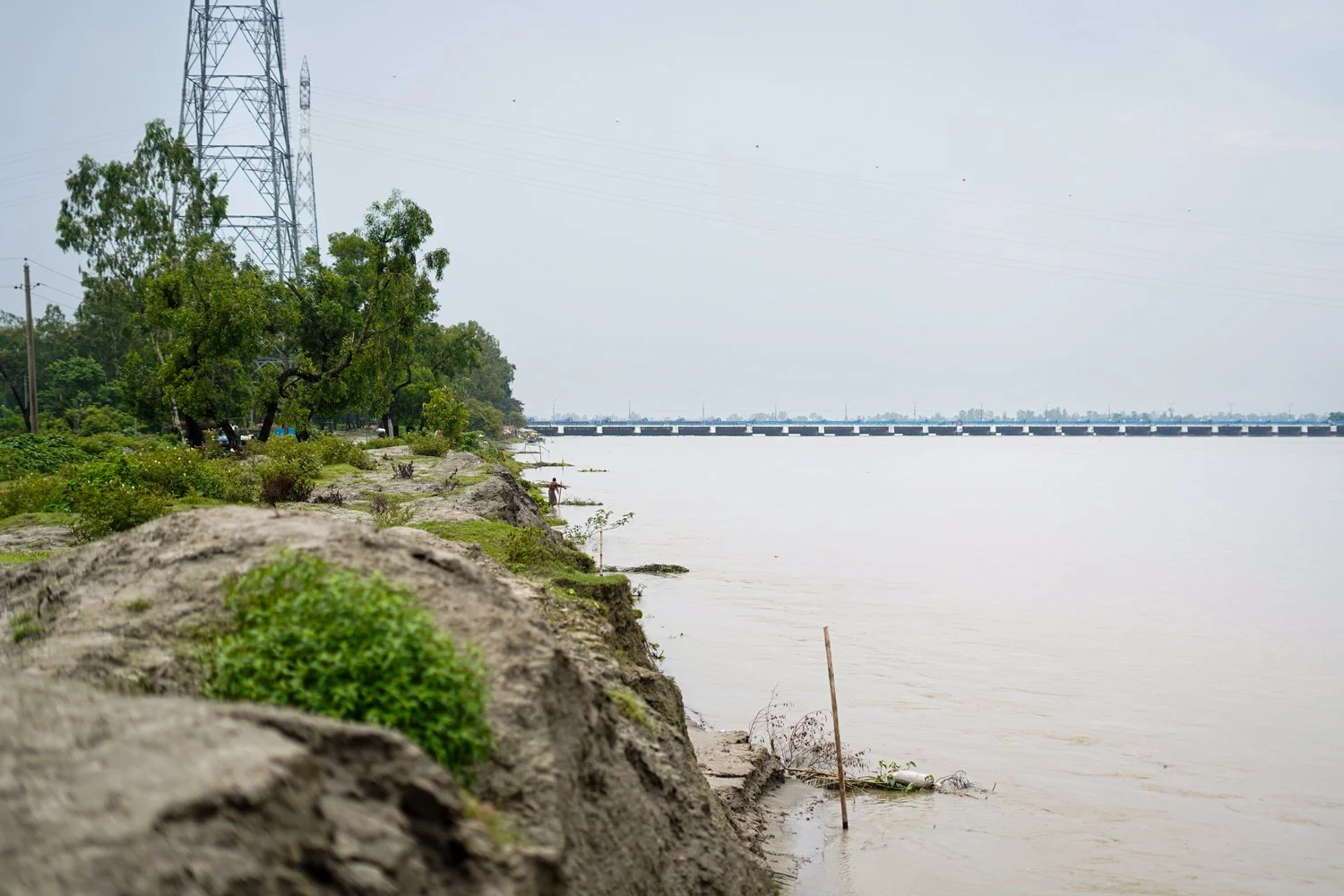
Across northwest Bangladesh, 35% of households say housing is at most risk from erosion – even more than drinking water (23%) or healthcare (17%). And land lost to the river pushes people out of farming and into day labour, trading a stable living for a far less secure one.
This is the backdrop Jorifa works against, every rainy season. Not one flood, but a river system under long-term pressure, and a village with no guarantee that outside help will arrive before the water does. A family can’t be climate resilient on its own in a place like this. Good housing matters – a raised plinth, a strong structure, a home built to withstand what the river will do to it. Housing sits within a community, and communities survive because people like Jorifa hold them together.
“We may be poor, but we are not helpless. When we stand together, we can help each other survive even when the river becomes dangerous.”
What Jorifa does isn’t a one-off act of courage. It’s a pattern. Women in Bangladesh have historically died in disasters at much higher rates than men because warnings didn’t reach them, and shelters didn’t account for their safety or needs. Where women have been involved in designing those systems and shelters, this has lowered the ratio of female to male deaths by almost two-thirds. Harnessing women’s knowledge of their homes and neighbourhoods saves lives.
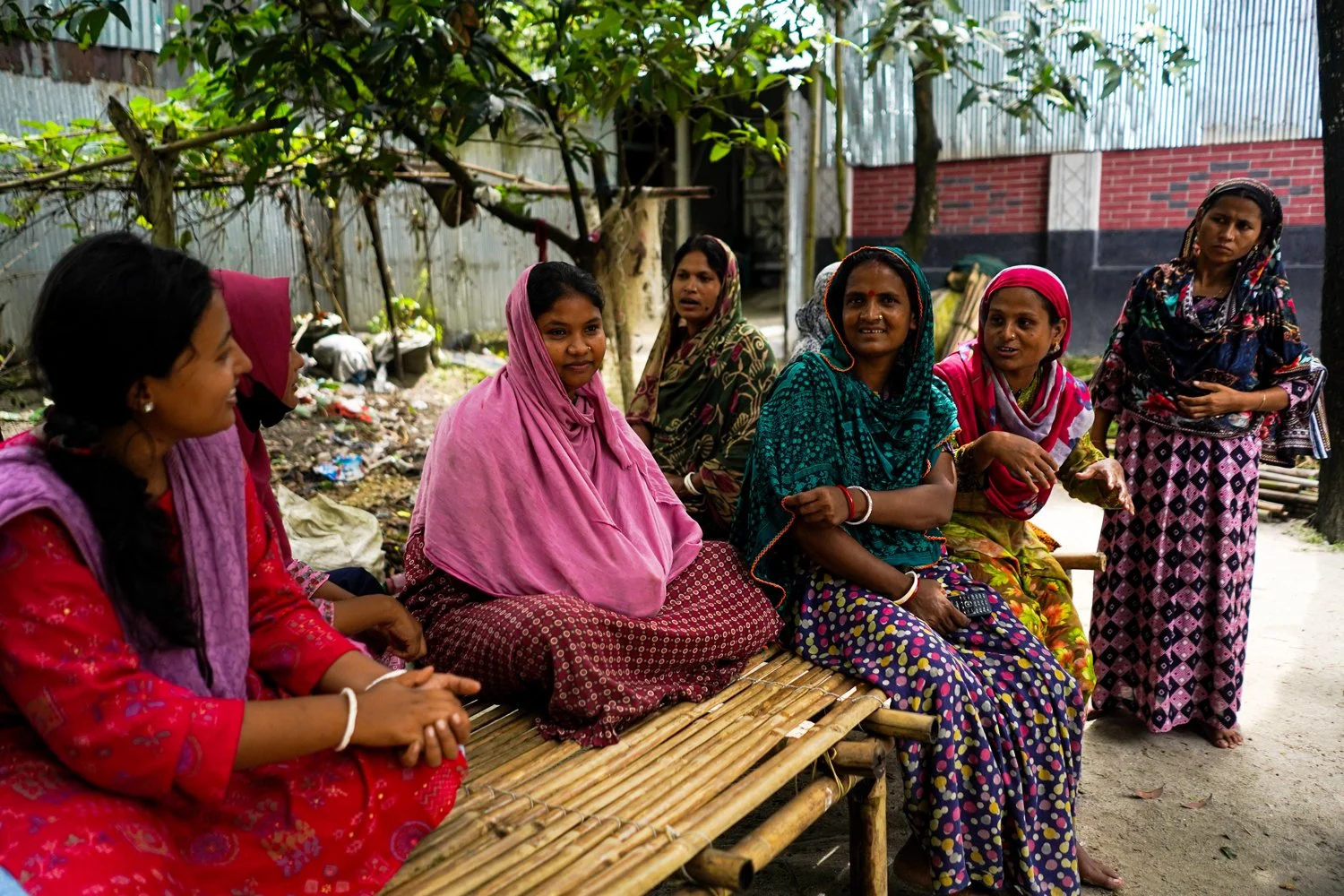
Women doing this work – reading the risk in their own village, passing on warnings, standing between their neighbours and disasters – rarely get named for it. They don’t ask to be. But if we’re serious about building housing and communities that can withstand an ever changing and volatile climate, this is where resilience starts.
This is why AzuKo designs with women like Jorifa.
DATA SOURCES
Al Jazeera (2025), No land, no home, no future
The Climate Watch (2026), Teesta river dries up, threatening northern livelihoods
Mondal MSH, Islam MS (2027), Chronological trends in maximum and minimum water flows of the Teesta River, Bangladesh, and its implications
Chowdhury, Md. A. et al. (2025), Internally displaced people induced by riverbank erosion: Challenges and adaptation in the northwestern part of Bangladesh
Ikeda, K. (1995), Gender differences in human loss and vulnerability in natural disasters: A case study from Bangladesh
UNDRR (2019), Women's leadership key to reducing disaster mortality