Looking back at 2022

AzuKo has achieved some amazing things in 2022. Here are a few memorable moments and milestones, over the last 12 months:

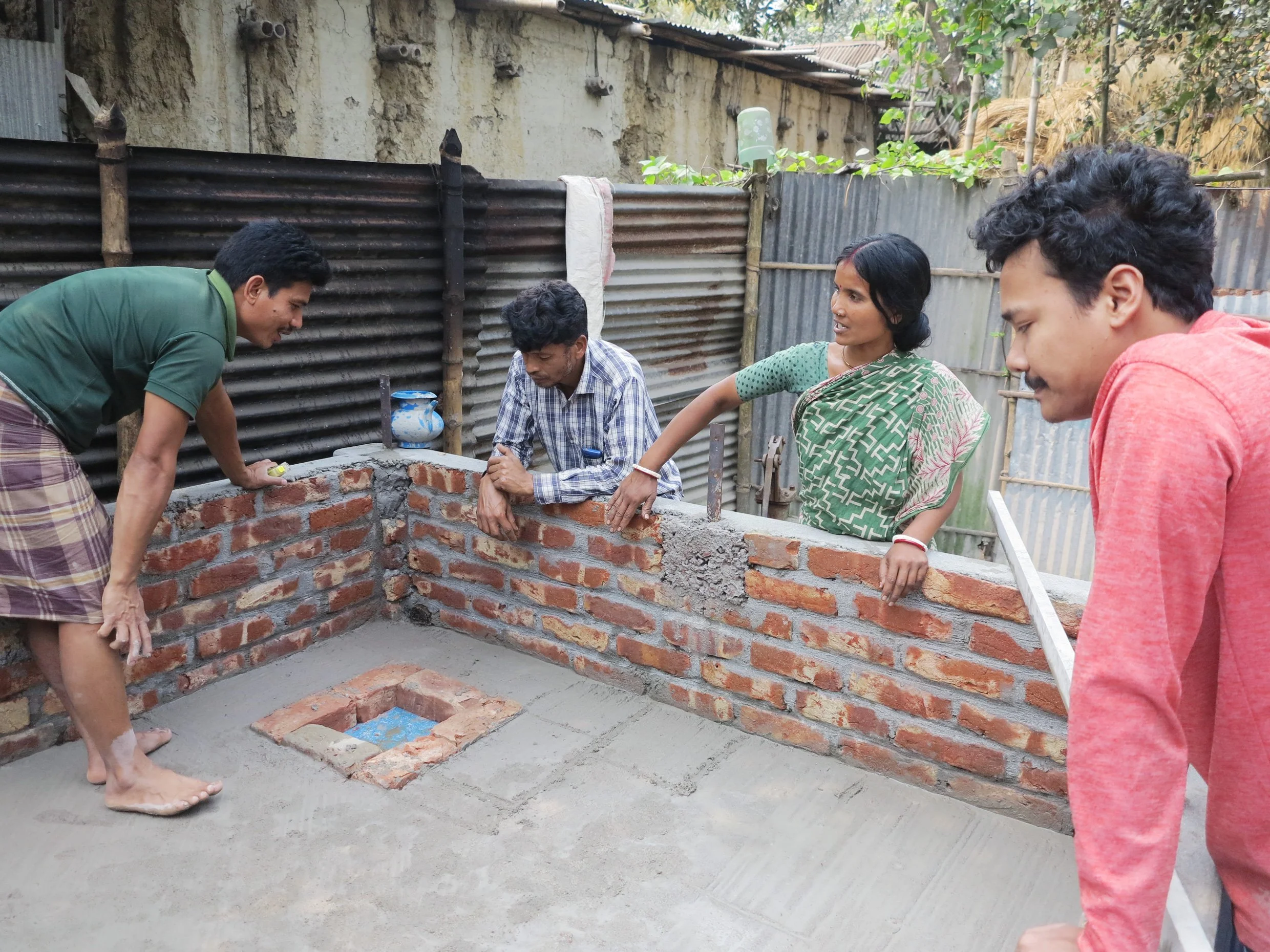
Working in Bangladesh group

JANUARY

We created a new network for small charities operating in Bangladesh, to share learning.
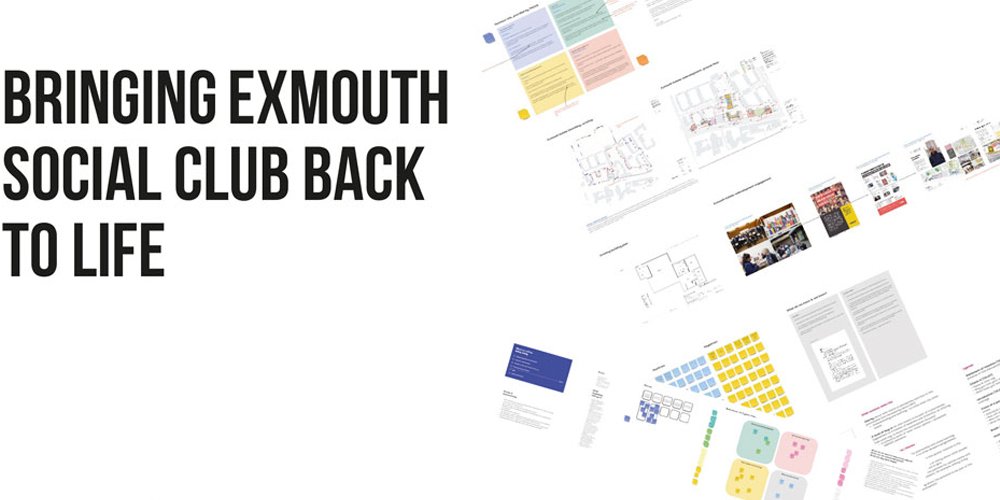
Bringing Exmouth Social Club back to life

FEBRUARY

Tower Hamlets CVS hired us to reimagine a disused building in central London, and how voluntary organisations can work together to run it.

We have momentum now, thank you. We’re starting to think as a partnership.
— Marjia
Welcome to our new team members

MARCH

We welcomed two new Trustees, Deljana and Shamira, and Project Officer, Bhoirobi to our team.
COVID-19 response coverage

APRIL

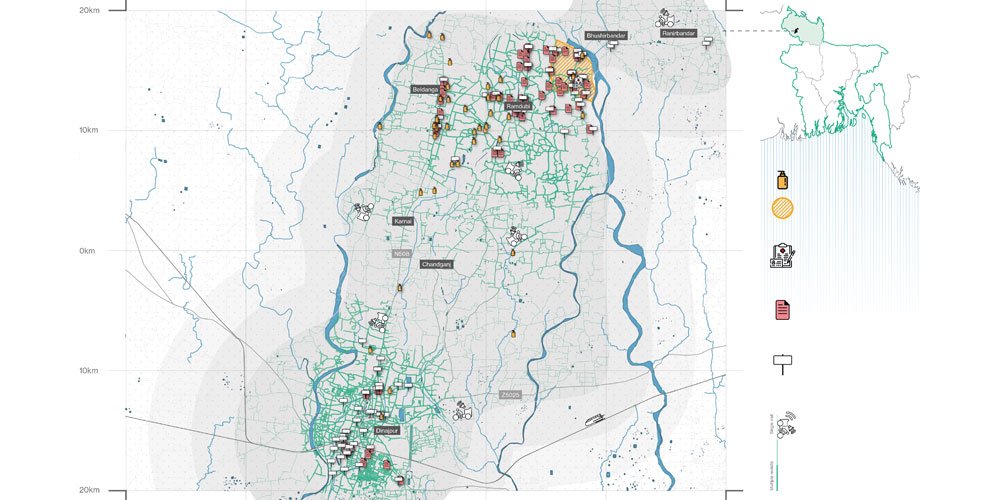
Our COVID-19 support came to an end after two years. We delivered 8,783 hygiene packs to families in need, and supported 3,848 people to register for the vaccine.
Cycle heroes

MAY

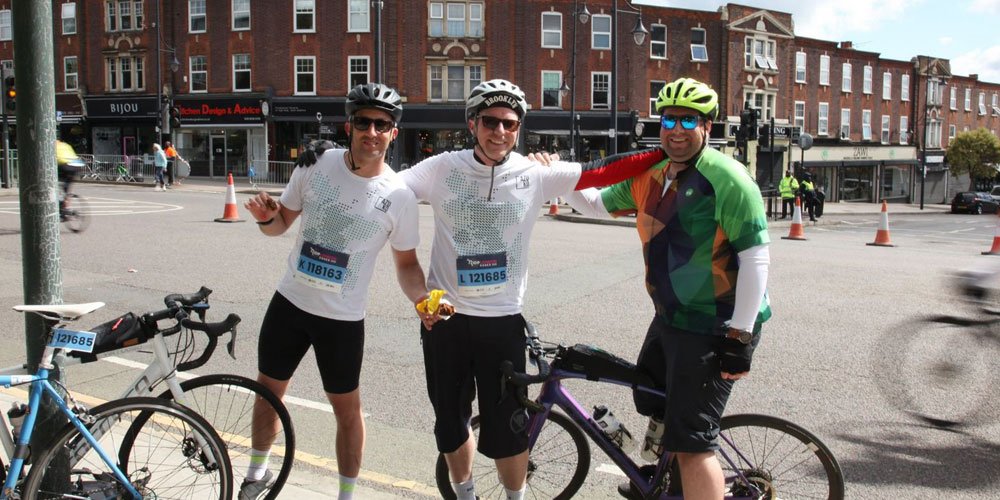
Three fundraisers cycled 100 miles at RideLondon, raising £4,126 for our work to build safe, clean, dignified homes. Why not set yourself a challenge in aid of AzuKo in 2023!?

Construction training

JUNE

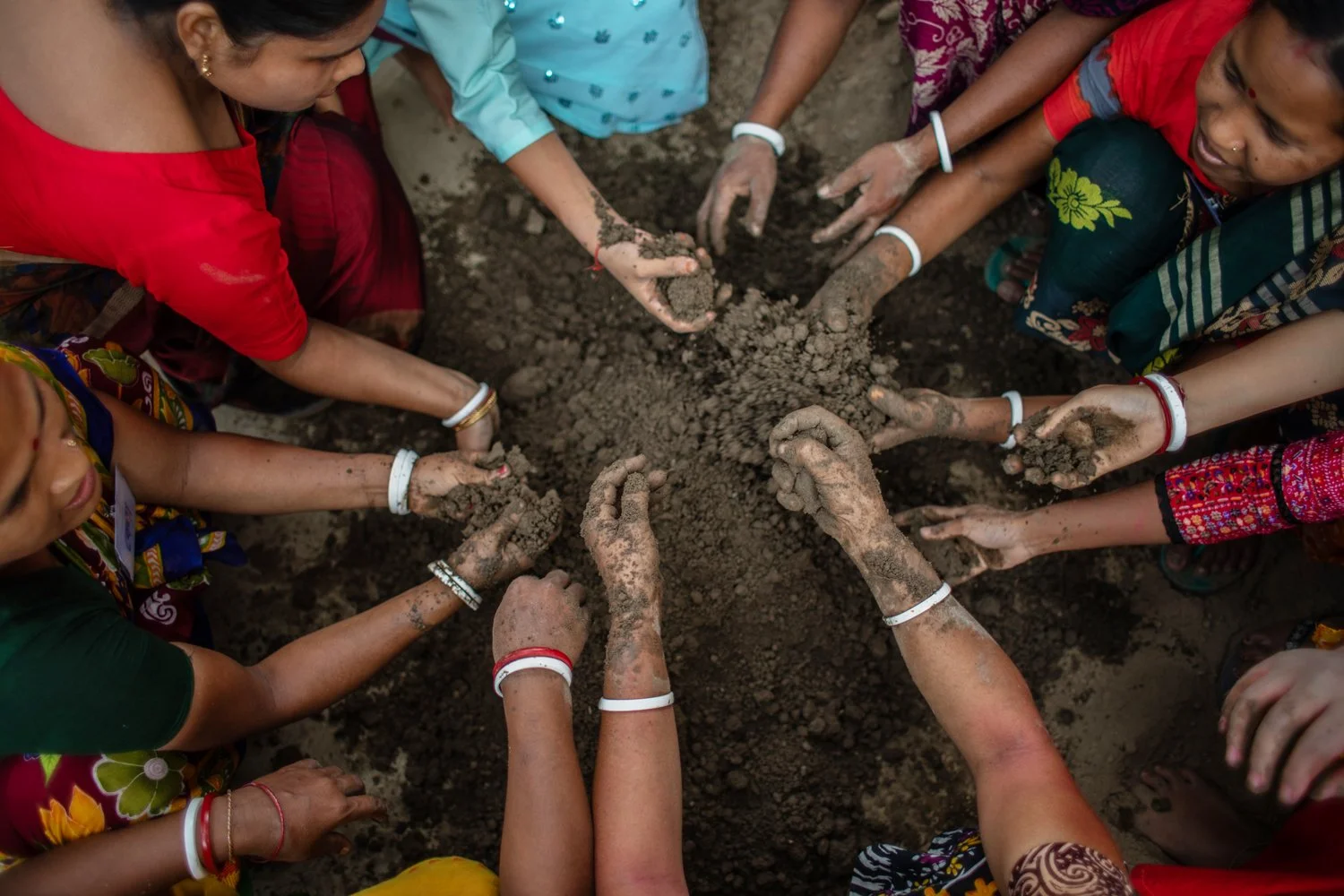
Milestone: 500 women have attended our construction training to learn how to build stronger, safer homes.
Designing with dignity course

JULY

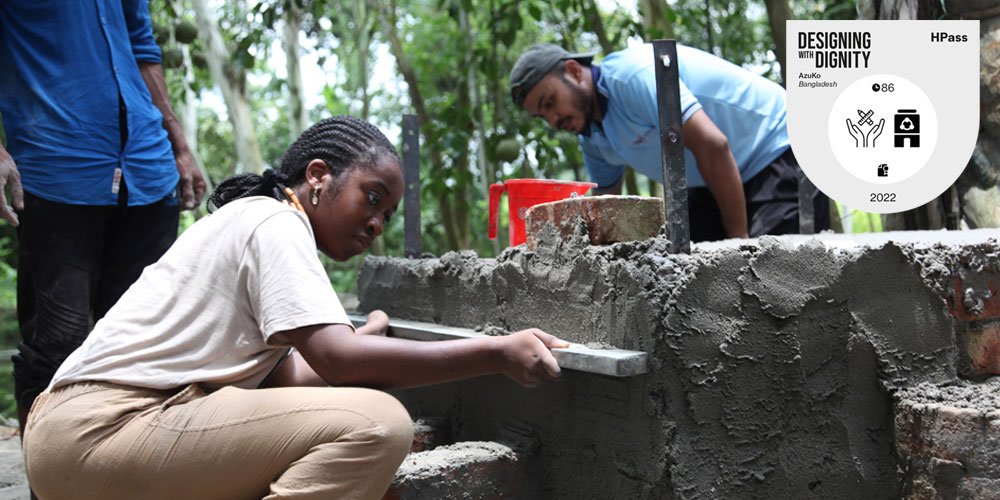
15 students joined our humanitarian architecture course, Designing with dignity, in Bangladesh. 87% achieved an HPass – a digital badge for the humanitarian sector.
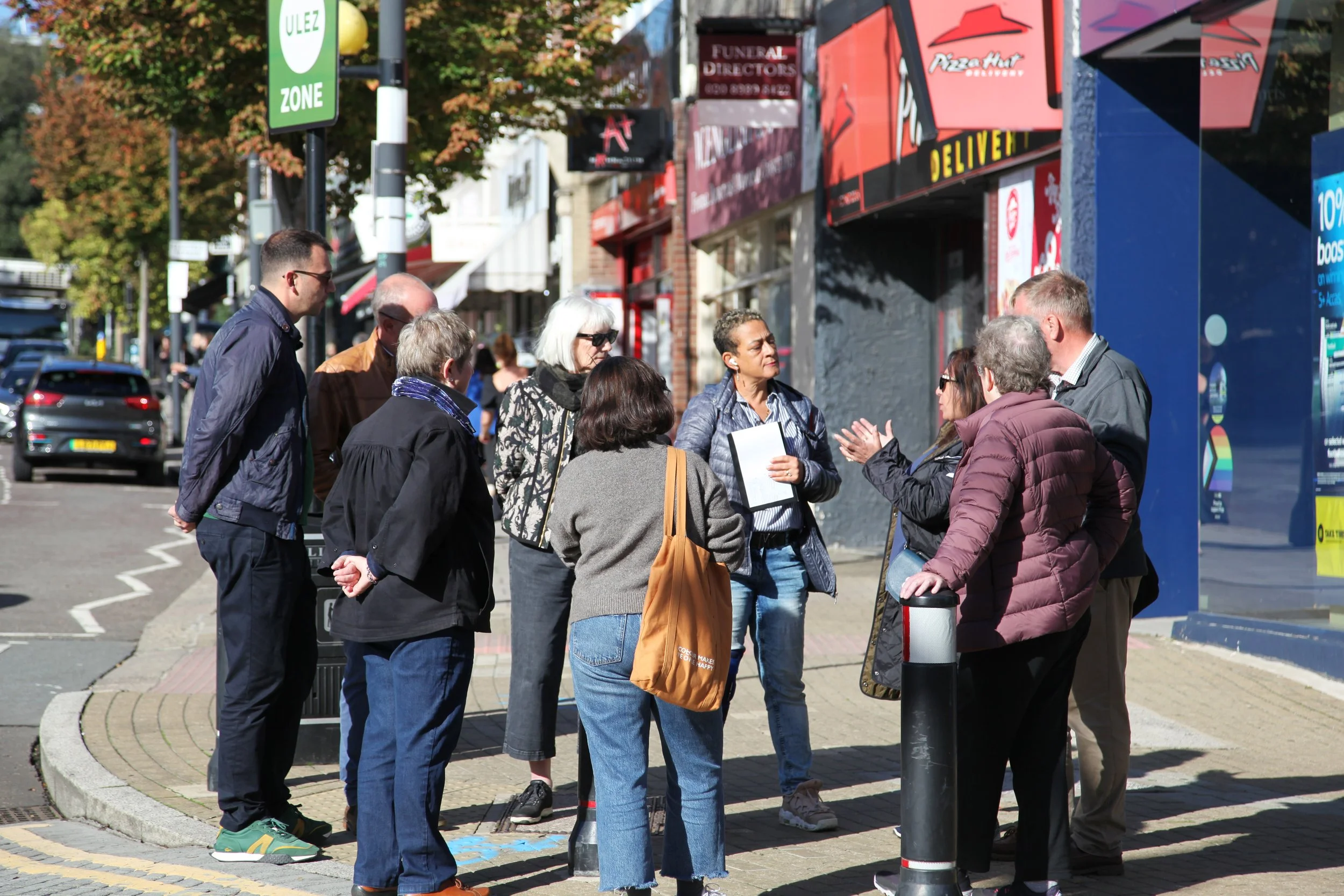
Design Code mapping

AUGUST

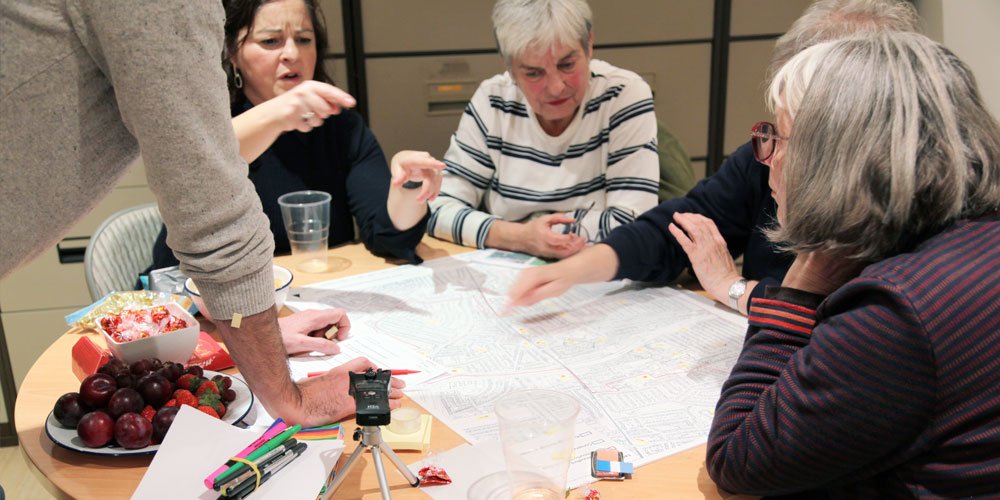
We kicked off a Design Code in the UK, supporting the community of South Woodford to create a vision for development.

The course challenges you to question every pre-conceived notion you have of architecture and encourages a truly collaborative design process, where every voice can be heard.
— Aretha
Joining the RSA

SEPTEMBER

AzuKo was offered a three-year RSA Fellowship. Let the networking begin!
Sharing insights

OCTOBER

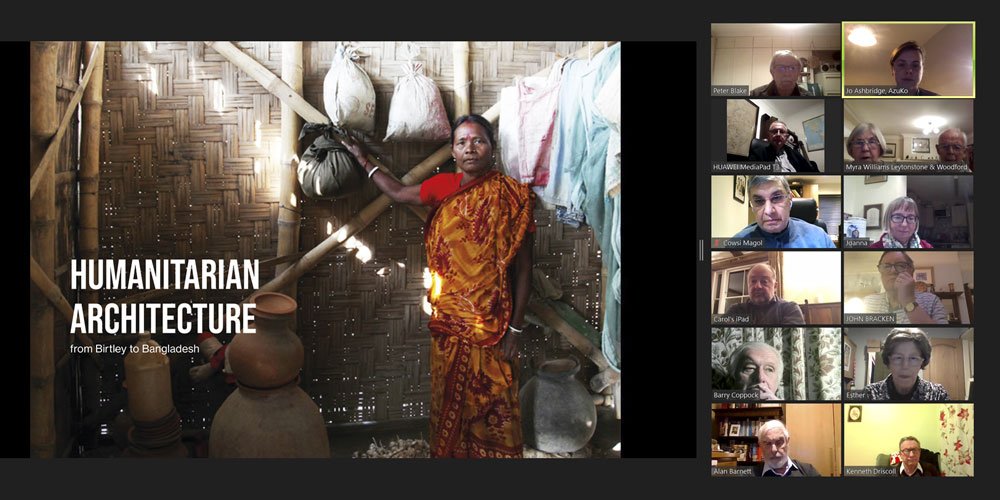
Milestone: 4,000 people have attended AzuKo events since we began in 2013. We believe in sharing our expertise to inspire people to ‘do good, better’.
Target reached

NOVEMBER

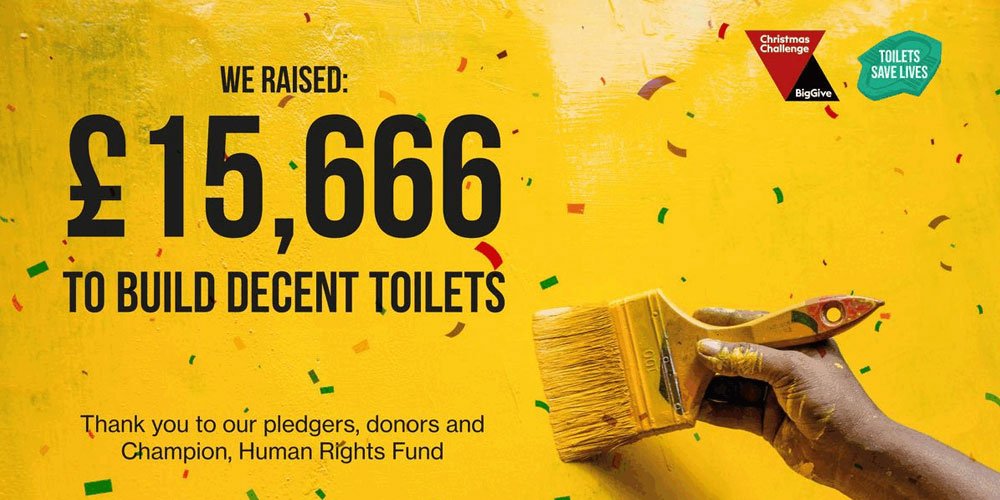
We launched our biggest fundraising campaign yet, raising £15,666 to build decent toilets. Construction materials are already on their way to sites across Dinajpur.
Exhibition

DECEMBER

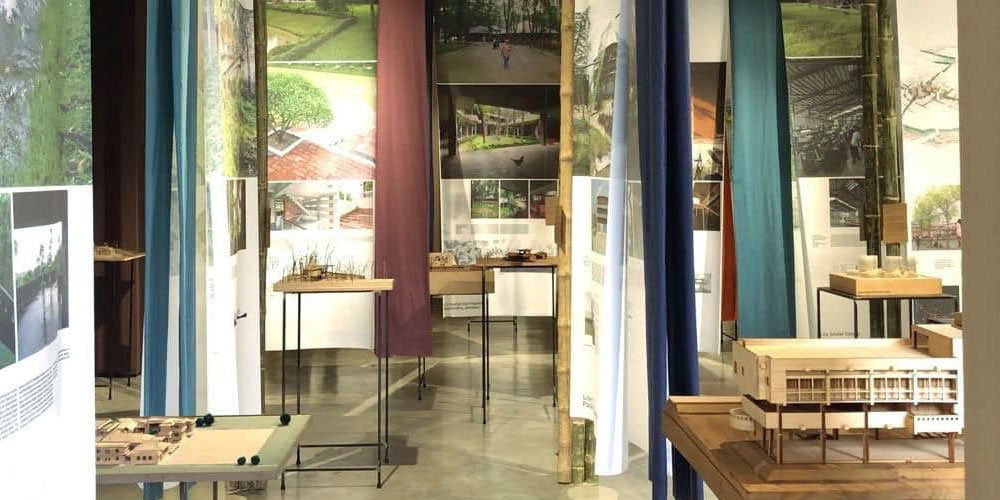
Our work with Jogen Babu Maath was featured in ‘Bengal Stream’ exhibition in Dhaka, Bangladesh.


Just as we are learning to live with COVID-19, the rising cost of living brings a new set of challenges. Working alongside our partners, we will continue to do all we can to support people living in housing poverty.

If you’d like to make a difference in 2023, get in touch.

Rumar dreams of a better way

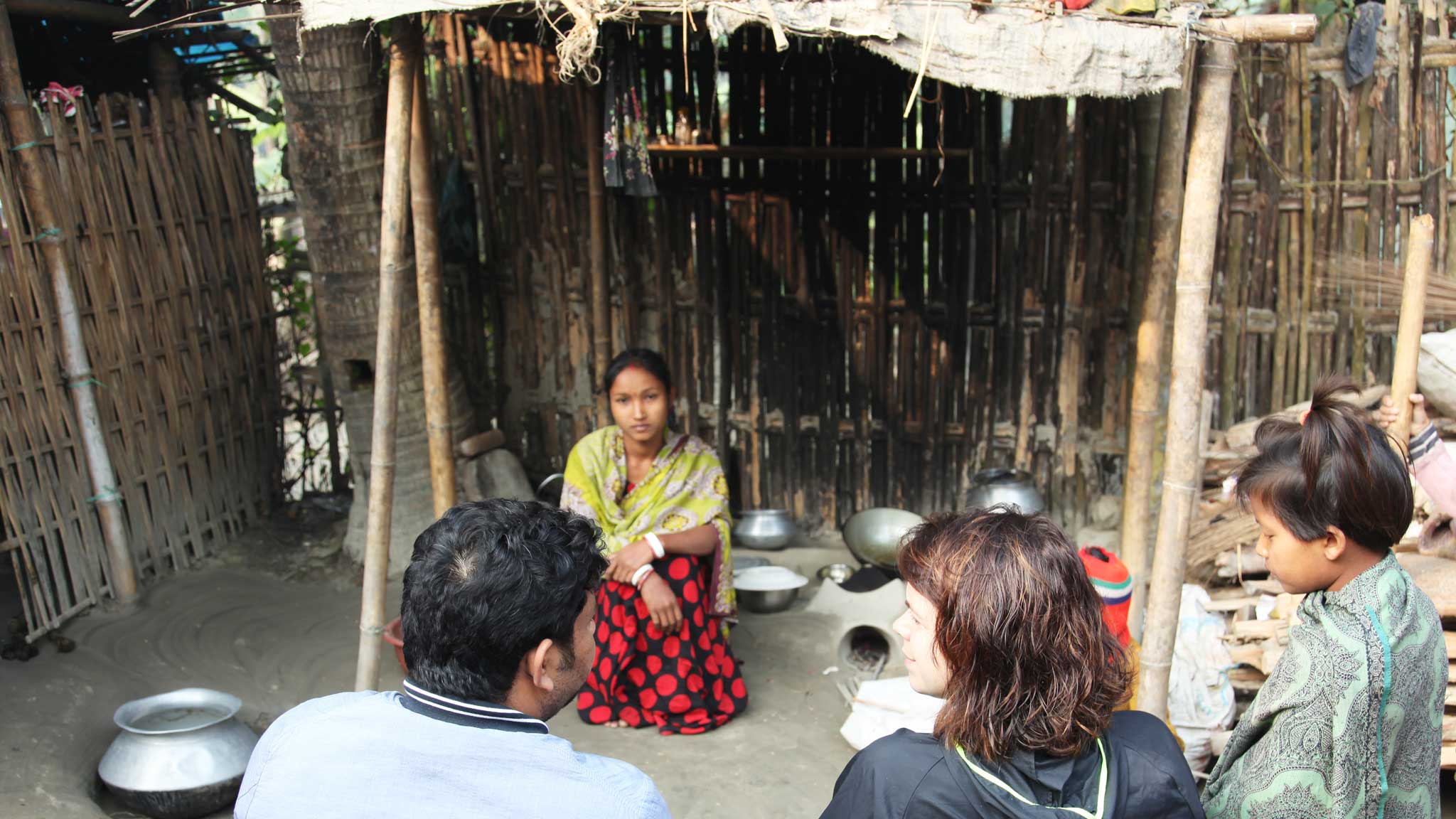
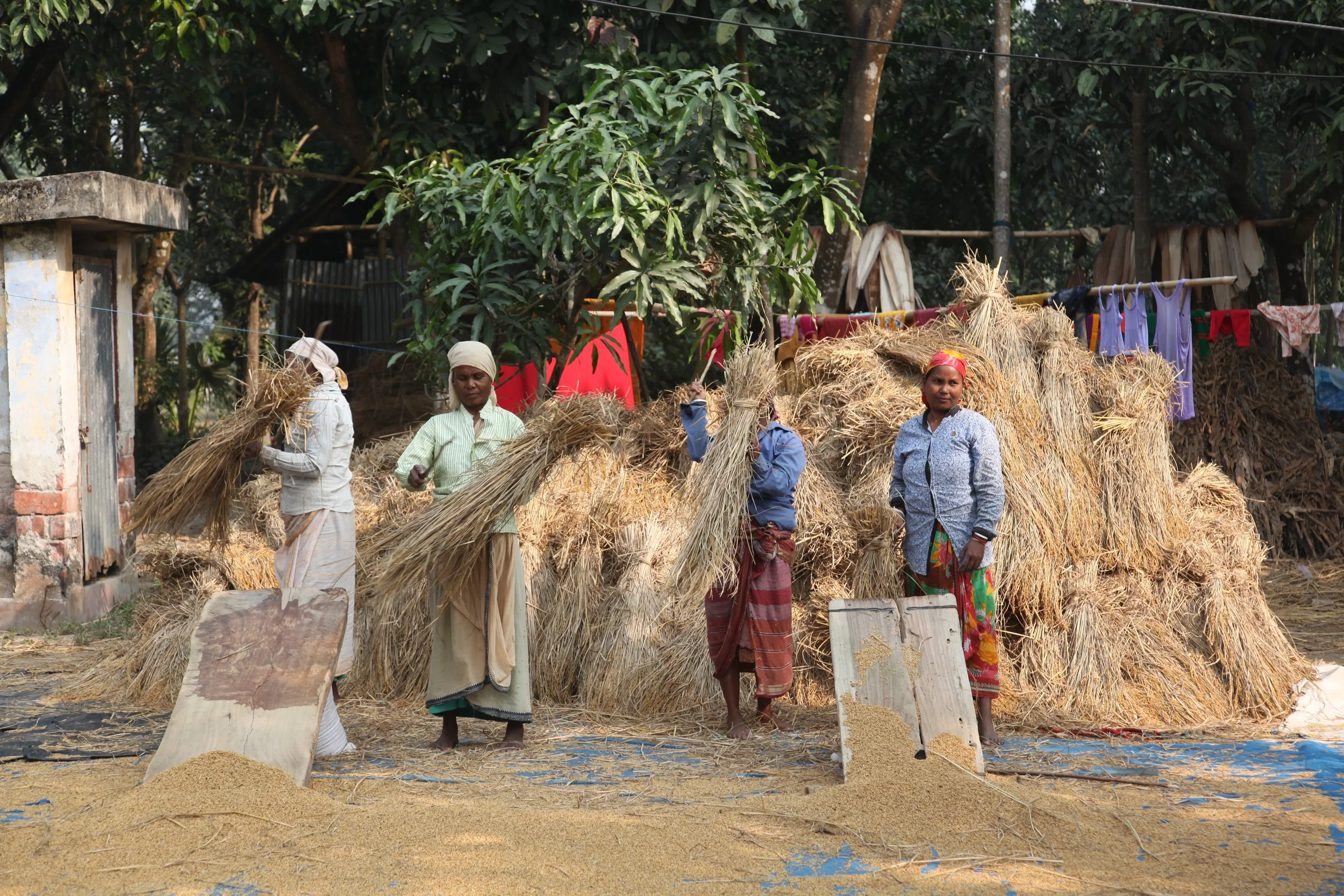
Today Rumar is cooking cauliflower and potato mash with rice and greens. She is responsible for preparing and cooking meals for her family of five. Like many women in her village in Dinajpur, Bangladesh, she faces real challenges in the home.

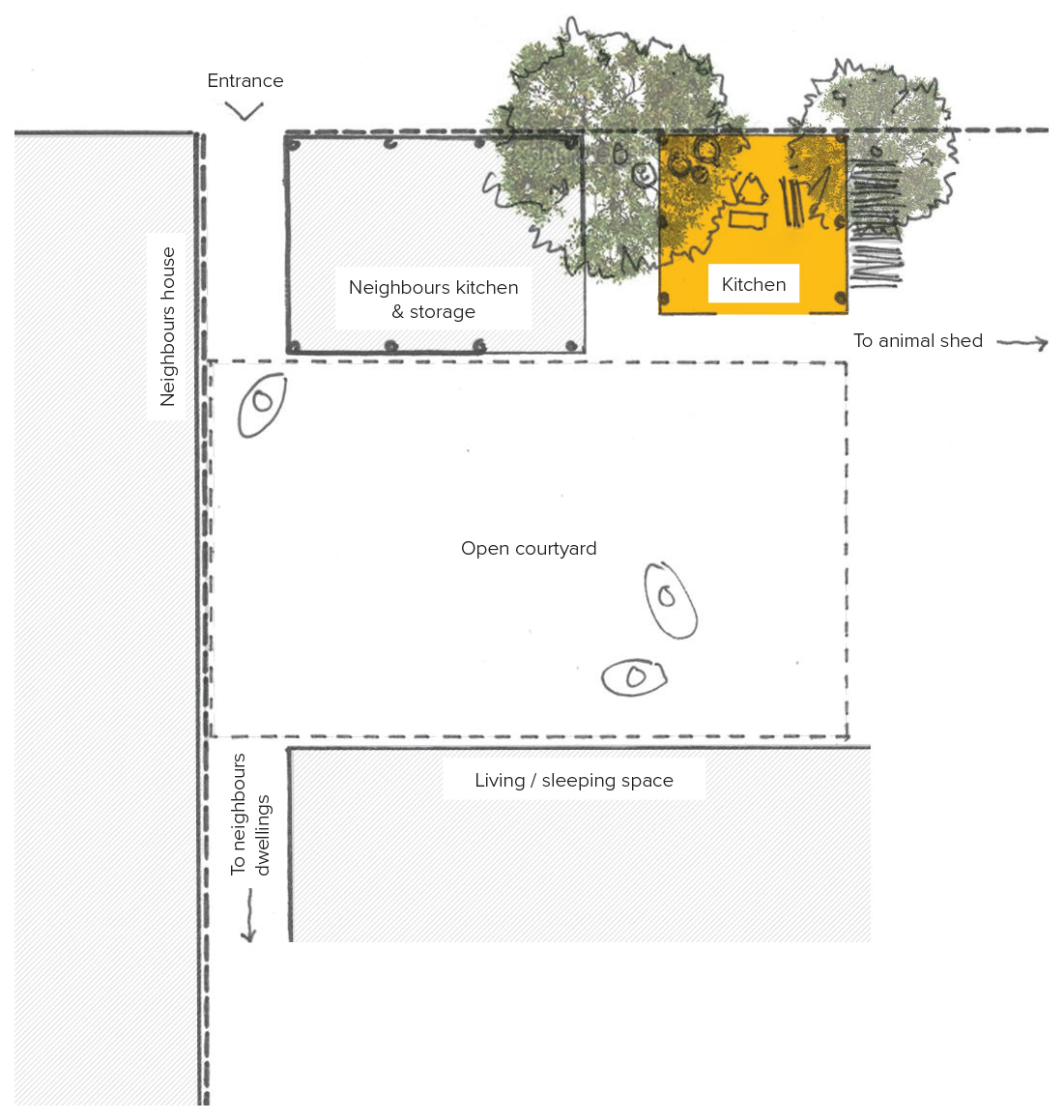
Her kitchen is only 3.4 sqm and is built on a raised earthen plinth which she protects from the driving rain as best she can. Without walls and a leaky roof, things are difficult in the monsoon.

An open kitchen
Earthen stove
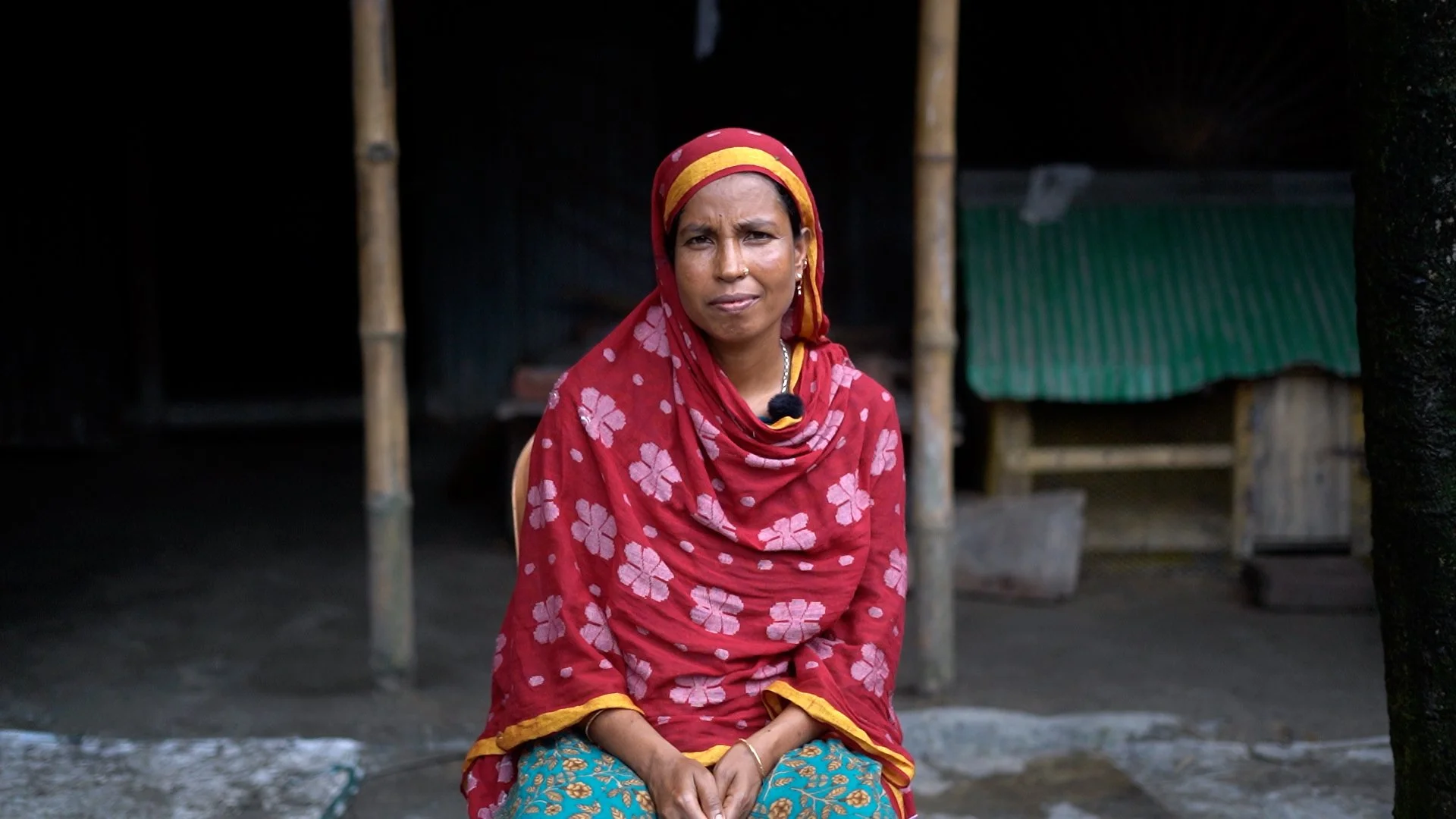
During rainy season the kitchen floods. The roof needs to be repaired so I cook under an umbrella… I have to make sure water doesn’t get into the stove or the fire goes out.

Rumar makes and repairs her stove using a mix of earth and water. She worries about the open flames when her children are near and shows us burns she’s suffered from cooking this way. Her kitchen has flooded numerous times and burnt to the ground a few years ago due to a fire that escalated. There is no electricity or piped water supply.

Interview
We share a tubewell with our neighbours, so I carry the pots and pans outside to clean them after we eat. I store them in the house, otherwise the rats and dogs would come.

Her family can afford to buy a small amount of jute sticks and wood to fuel the stove every month, but when this runs out Rumar gathers leaves and twigs to keep it going. This wet material produces a lot of smoke. She cooks on a small stool, at least for now she is not in too much discomfort.

 
Plan of the homestead

Plan of the homestead


Rumar’s village is in one of the poorest regions of the country. Saving for home improvements is a struggle but she dreams of a better way - a kitchen that is safe and comfortable, a space that doesn’t fill the air with black smoke, a space she would enjoy cooking in.

In rural Bangladesh women spend much of their day in the home and within the kitchen, yet they are often not involved in its design. Their perspective is crucial. Kitchens are dark, cramped, unhygienic and poorly ventilated, contributing to chronic and acute health effects including lung cancer and diarrhoeal disease. They are leftover spaces despite the fact they are used from morning till night.

We are working with women like Rumar to co-design solutions that will improve their health and wellbeing. We believe Rumar holds the answers to the challenges she faces.

Help us empower these women to be design leaders in their communities. Donate to Heart of the home.

Author: J Ashbridge

Our community-led approach

Over a quarter of Bangladesh's population live in towns and cities. Rapid urbanisation, coupled with limited financial and physical capacity, has put significant strain on these areas.

To date, the Government of Bangladesh has mostly ignored the growth of informal settlements, or reacted by evicting squatters. New approaches to the urban context are needed.

Throughout the world, slums upgrading is often done through investments in neighbourhood improvement that result in de facto security of tenure for the urban poor. This in turn allows families to incrementally improve their shelter conditions, thereby improving human capital, and leading to synergies in savings, employment and poverty reduction, and gradually incorporating informal settlements into city development.
— Pro-poor slums integration / The World Bank

Global experiences show that slums upgrading requires strong engagement from urban poor communities for a number of reasons.

  1. Slums and informal settlements are unique and dynamic. No single solution is suitable for all situations. Engagement is essential to create locally relevant and appropriate solutions.

  2. Government delivery and private sector engagement can crowd out the poor. A community-led approach ensures that those involved in designing and implementing initiatives are also the beneficiaries.

  3. As governments are slow to address urban improvements for slums, community-led approaches are often the only alternative.

We've been working with residents of Jogen Babu Maath slum, in Bangladesh, since 2010. Together with the community committee we’re mobilising residents, providing training, encouraging financing/saving, and improving infrastructure.


Author: J. Ashbridge