If our streets could talk, what would they tell us?

Data is a powerful tool. With it, you can understand behaviour and complex systems, make informed decisions, solve problems, improve efficiency and impact. But it’s often ‘owned’ by others, and not accessible to those who need it most.

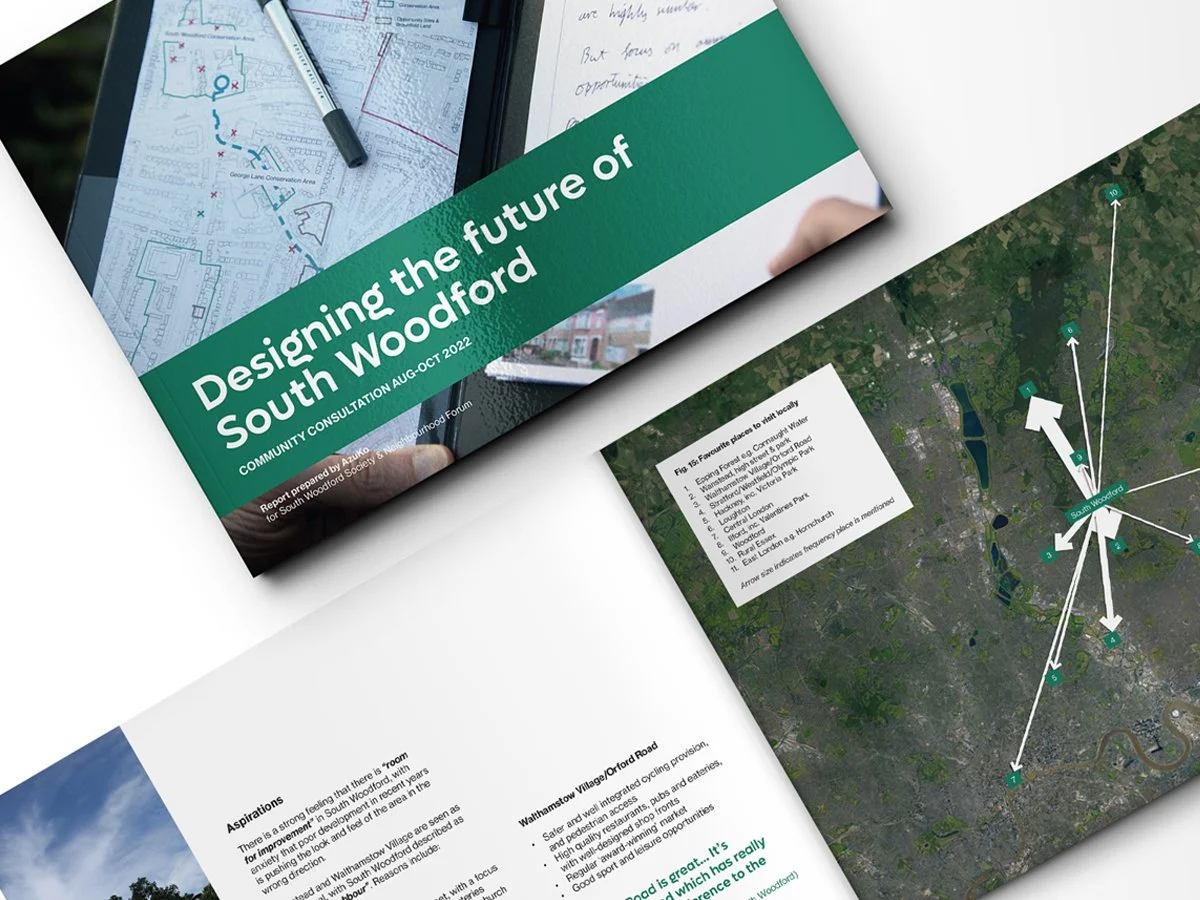
At AzuKo we believe that place-based data can unlock opportunities, and help communities have a real say in the development of their neighbourhoods. One incredible example of this is the community of South Woodford in northeast London, who we’ve been working with over the past four years. The local South Woodford Society are creating a Design Code – a vision for their area, and set of design requirements that will inform future development. Not an easy task, when representing over 19,000 residents!
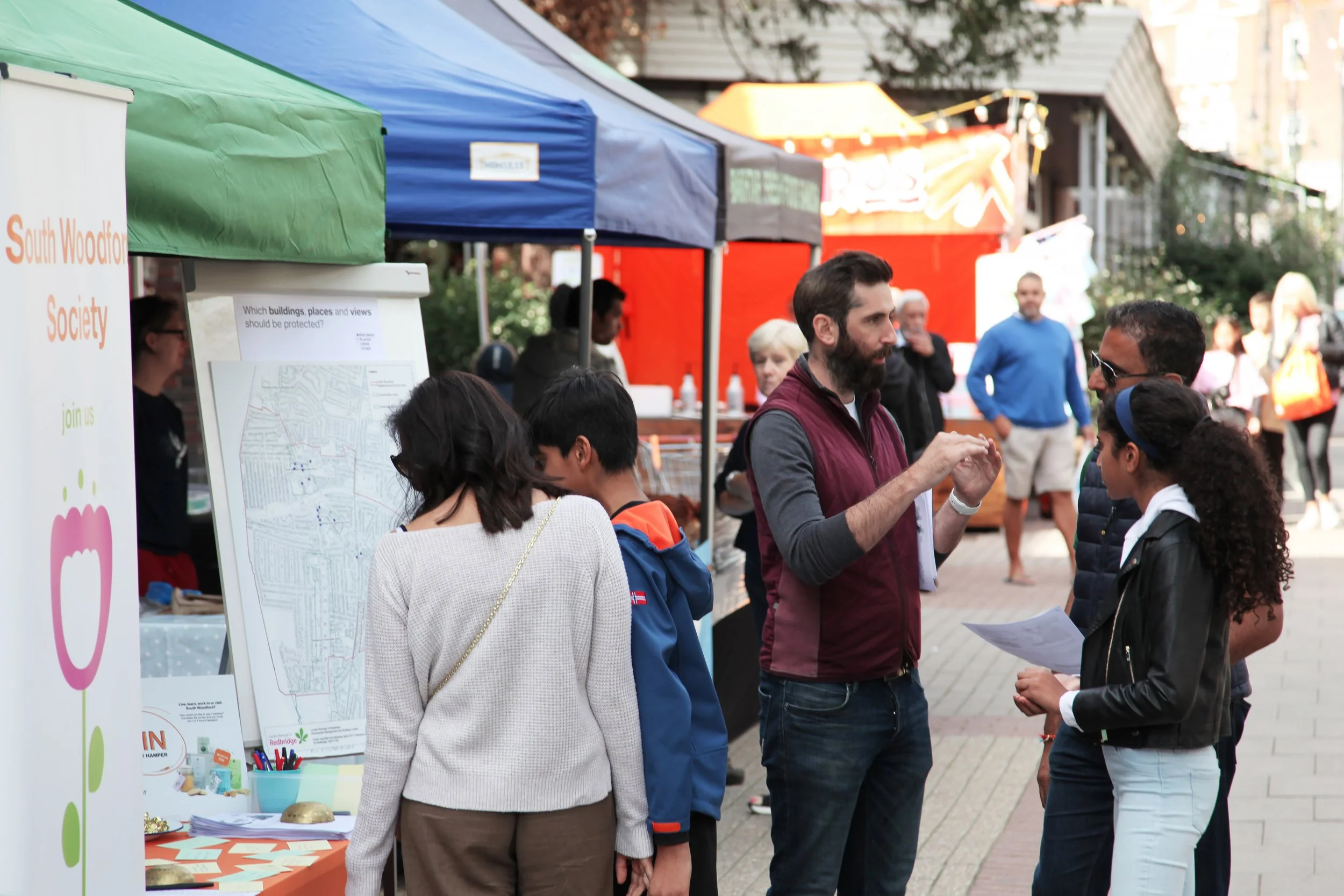
Community stall
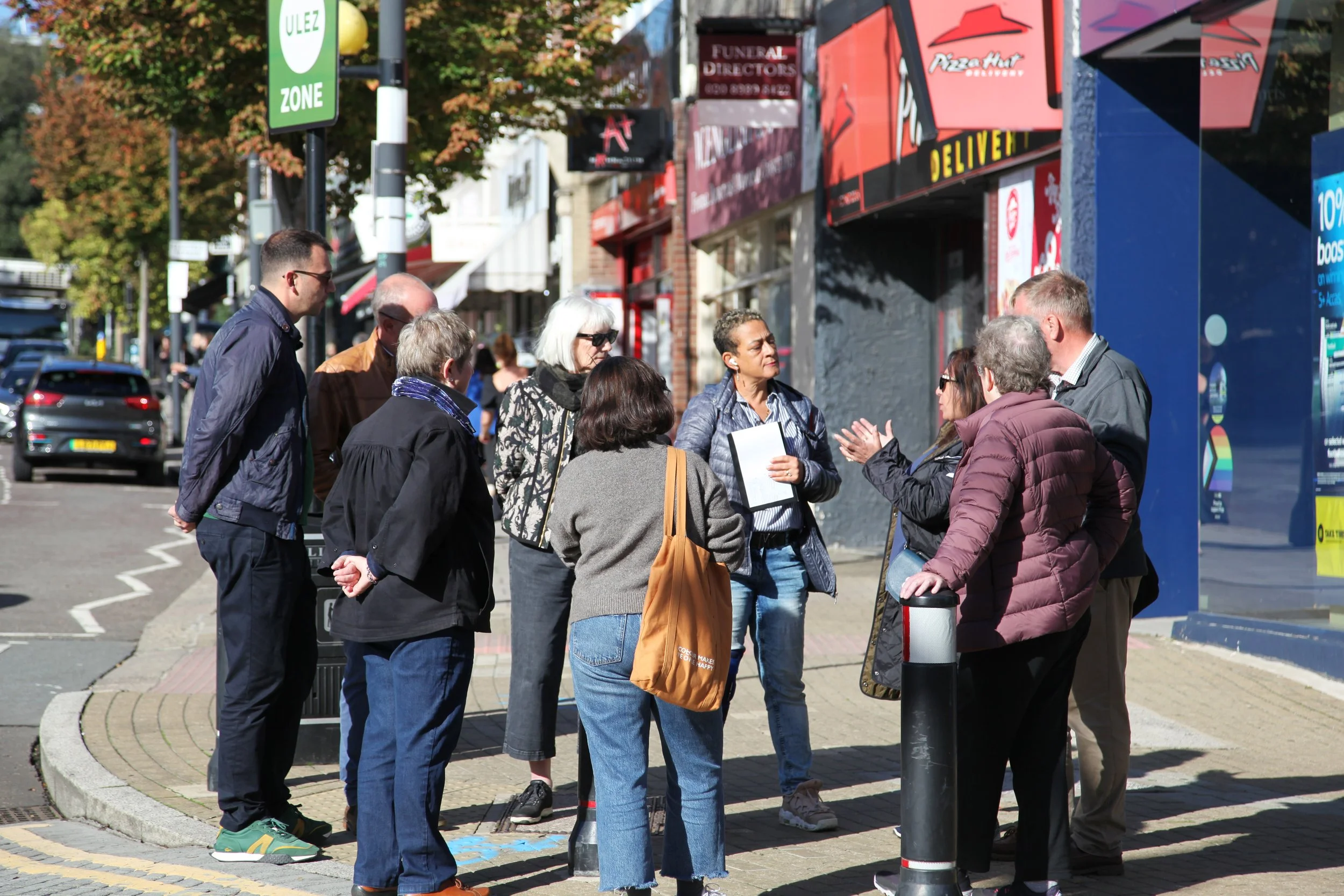
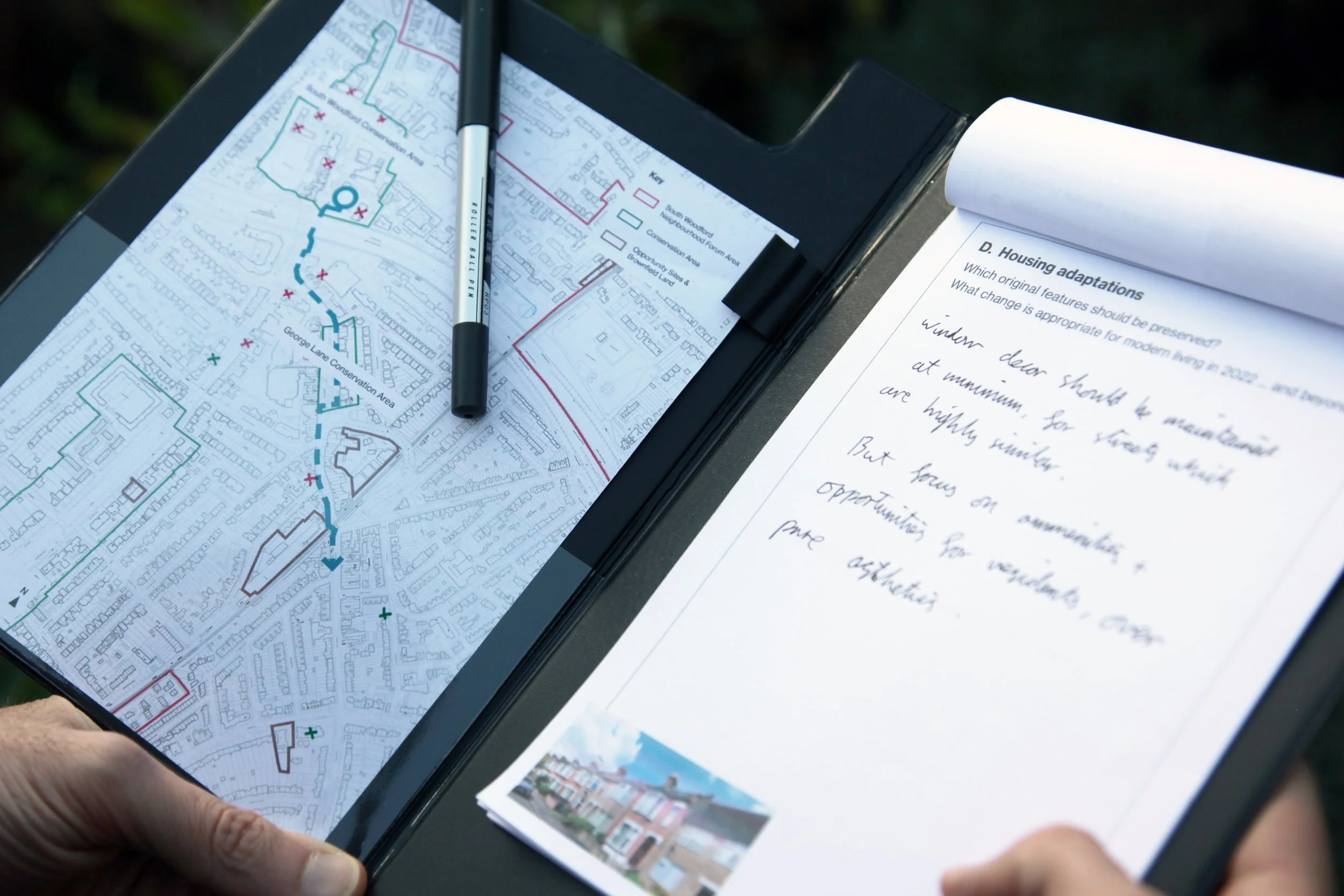
Walk and talk
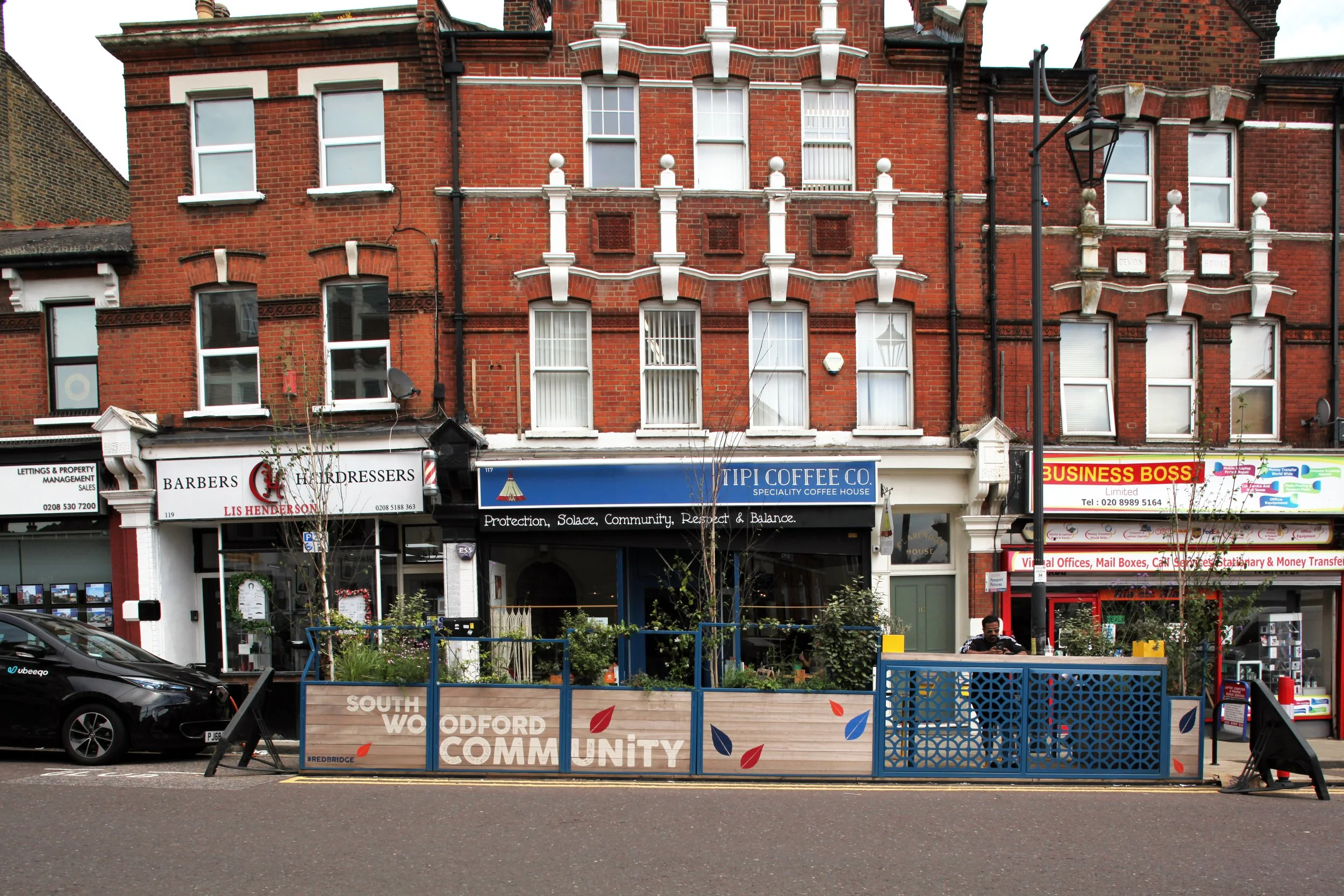
South Woodford High Street

South Woodford is in the Borough of Redbridge, in northeast London. The area is heavily dominated by cars – traffic congestion, residential streets used as ‘rat runs’, parked cars impacting pedestrian access and views, and significant air pollution.

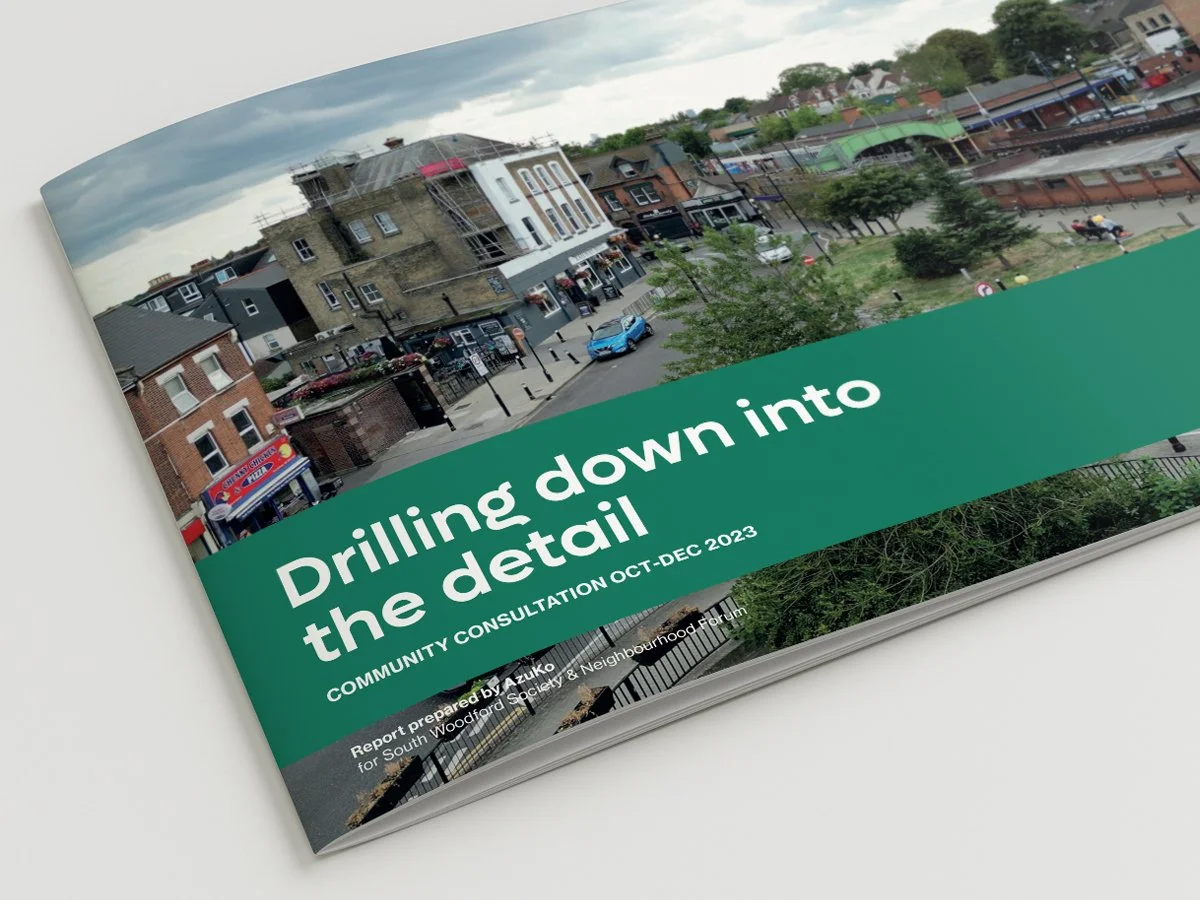
Following in-depth community engagement (see reports 1 & 2), four priorities emerged. The area faces:

  • Lack of accessible greenspaces

  • Poor quality public spaces

  • Prioritisation of cars over people

  • Loss of key local amenities

But without data, it’s difficult to evidence just how challenging these issues are or set targets for change.

If the streets could talk, what would they tell us?

Well, this is where AppyWay comes in, giving a voice to the streets. The kerbside use data will enable the community to understand just how much of South Woodford’s streets are allocated to sustainable uses, and help them set specific targets for a more sustainable future. With this data the community will be able to pitch for funding to turn their vision for healthy streets and spaces into reality.

Stay tuned for more insights into AzuKo’s Neighbourhood Planning and Design Code work – ensuring communities are in the driving seat of their own development.


(Article originally published in AppyWay / Kerbside Digest)


What is time poverty?

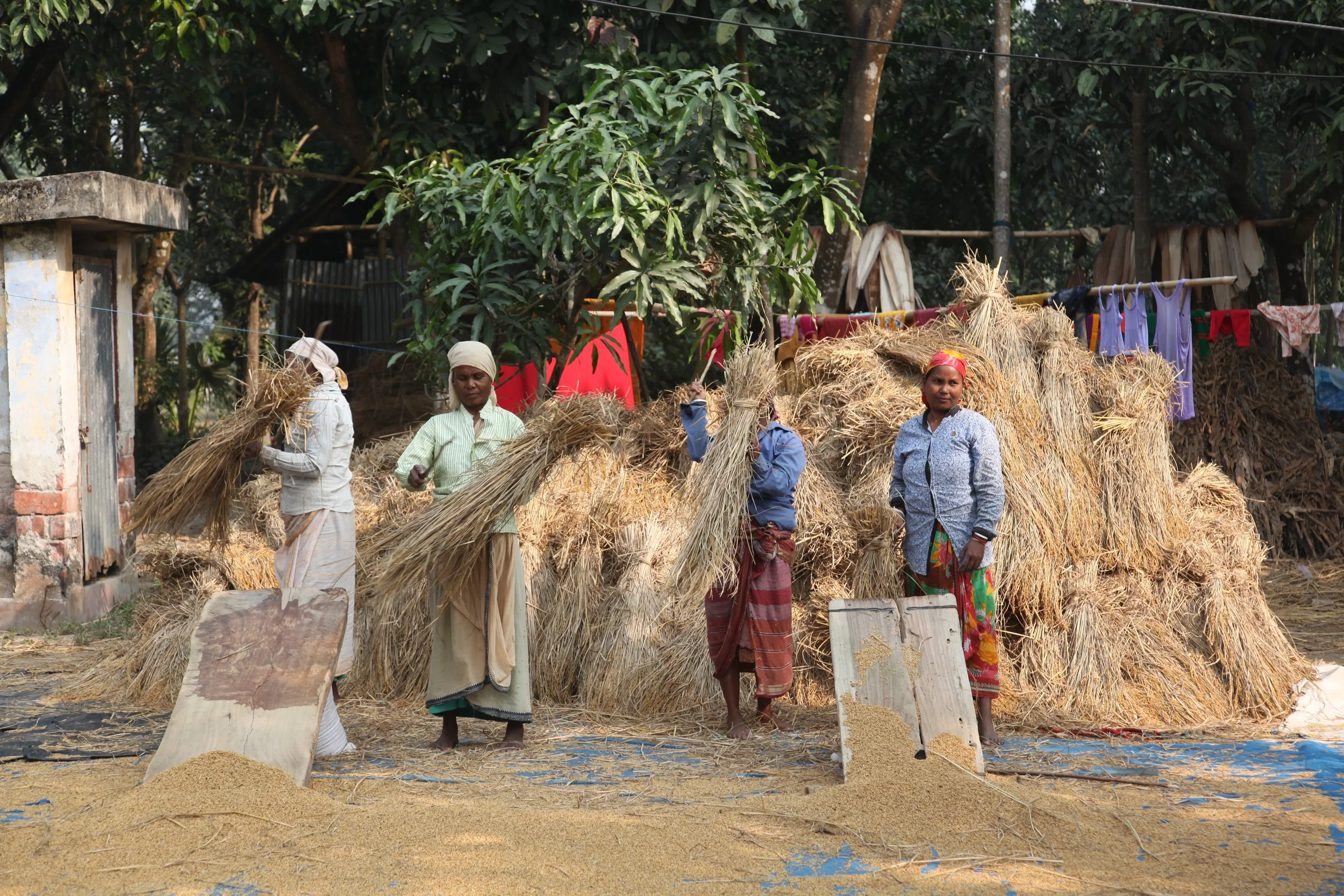
We've all said it... "there's just not enough time in the day!" Our lives are packed full, juggling work and family life. But imagine if on top of all that, you had to search for fuel and harvest your own crops to cook breakfast, walk miles to source water each day, repair your house which is continually eroded by flooding... what time would be left to focus on you?

Low income means less investment in the basic infrastructure of our lives, meaning people become time poor. Time poverty is linked to lower wellbeing, physical health and productivity. Ultimately lack of time stops people improving their circumstances, making it much more difficult to rise above poverty. It's a vicious cycle.

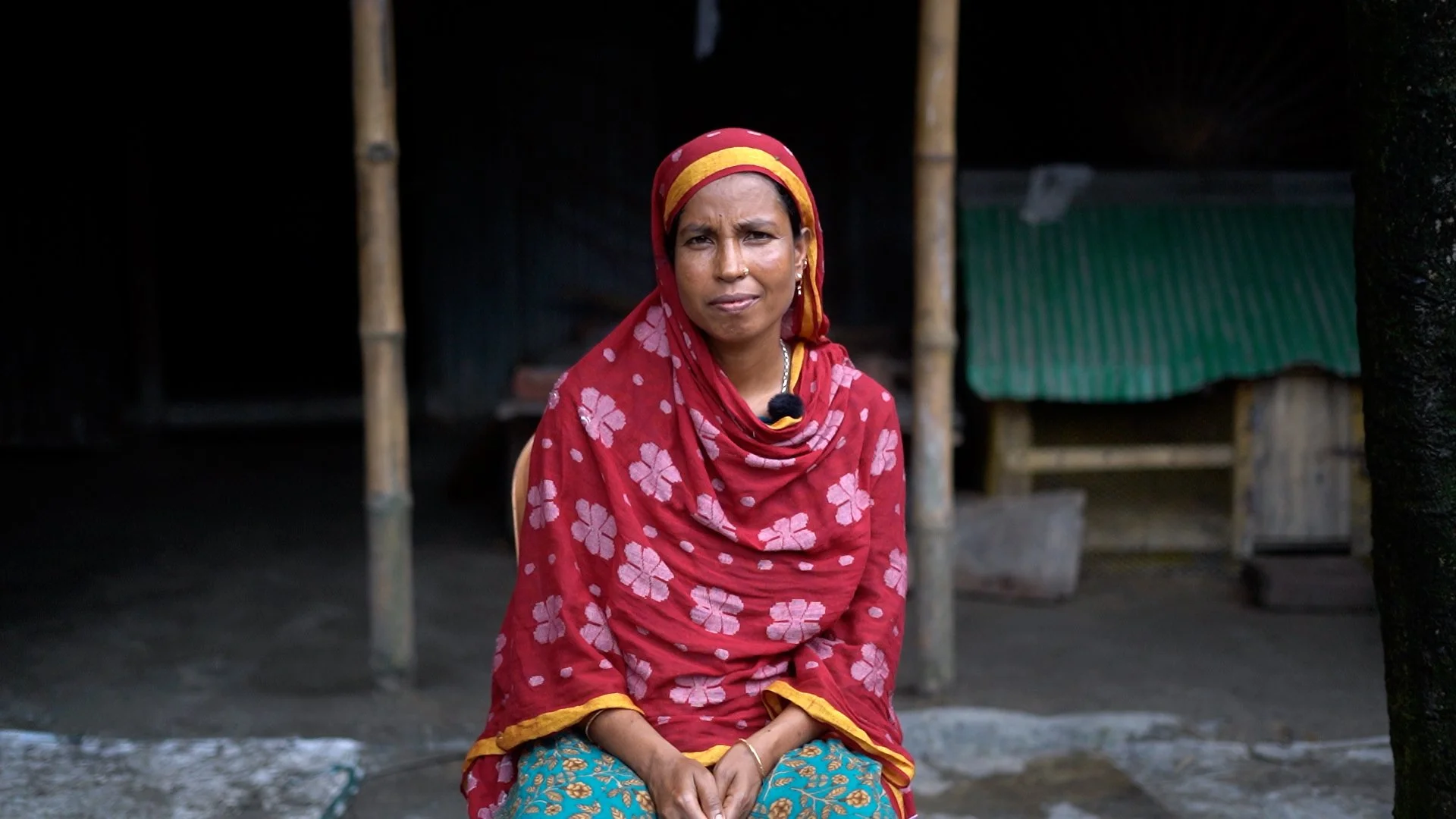
The most difficult part of my day is collecting food to feed my cows. I walk between the padi (rice) fields, cutting grass for a couple of hours, every day after breakfast. It’s back breaking in the heat.
— Ranu, Bangladesh

This burden falls disproportionately on women, who often face additional responsibilities at home. On an average day, women spend three times as many hours on unpaid domestic and care work as men. Too busy to visit the doctor, go to school, or earn money to support their family.

At AzuKo, we recognise this invisible currency, and help reduce the time it takes to complete 'unpaid work' in the home. We teach housing design ideas and share products that are more efficient, and we promote construction materials and techniques that require less maintenance, last longer and have high returns (cheaper over time). Read about our construction training in Bangladesh 

An extra hour saved each day, over the course of a year, would free up more than two weeks. Over a lifetime that would mean three years – precious time to build a brighter future.

Imagine what you could do with that extra time?

Author: J. Ashbridge

2025: Year in review

Around the world, too many people are still living without the basics – including a safe, secure home. Progress continues to be slowed by conflict, climate shocks, widening inequality and rising debt.

Against this backdrop, AzuKo sharpened its focus in 2025. We believe everyone, everywhere deserves a safe place to call home. Here’s a snapshot of what we achieved last year, and the communities at the heart of that progress:

 
Housing advice

JANUARY

We expanded our housing advice services, helping people navigate tenancy and occupancy issues, plan safer homes after disasters, and understand their housing rights. When we’re not the right people to help, we connect families to trusted partners who can.

Fundraiser, car boot sale

FEBRUARY

Supporters continued to raise awareness and vital funds for our work. Ann and Lynne held a car boot sale in Gateshead, giving new life to pre-loved items. Feeling inspired? Why not set yourself a challenge in aid of AzuKo this year →

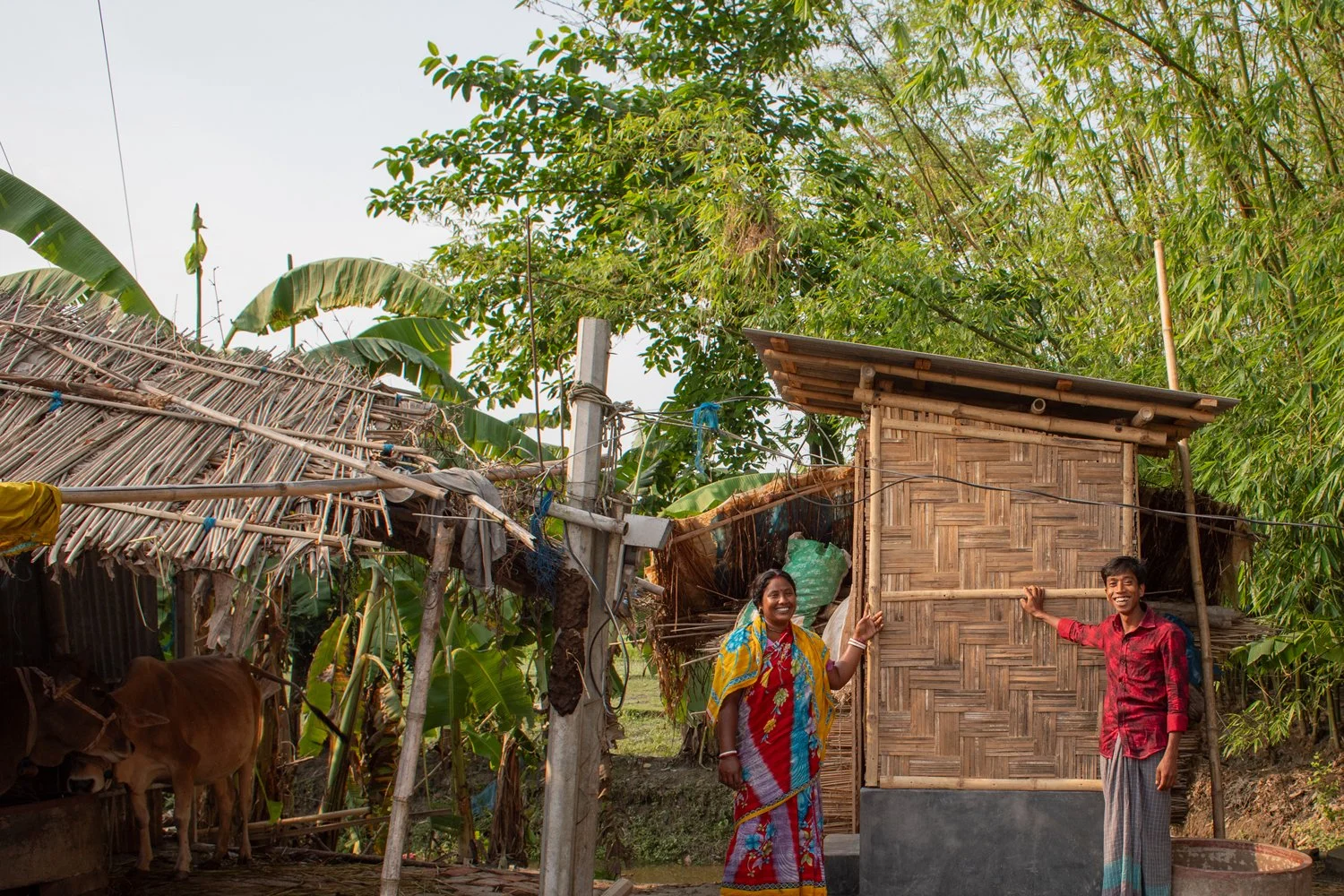
Decent toilet

MARCH

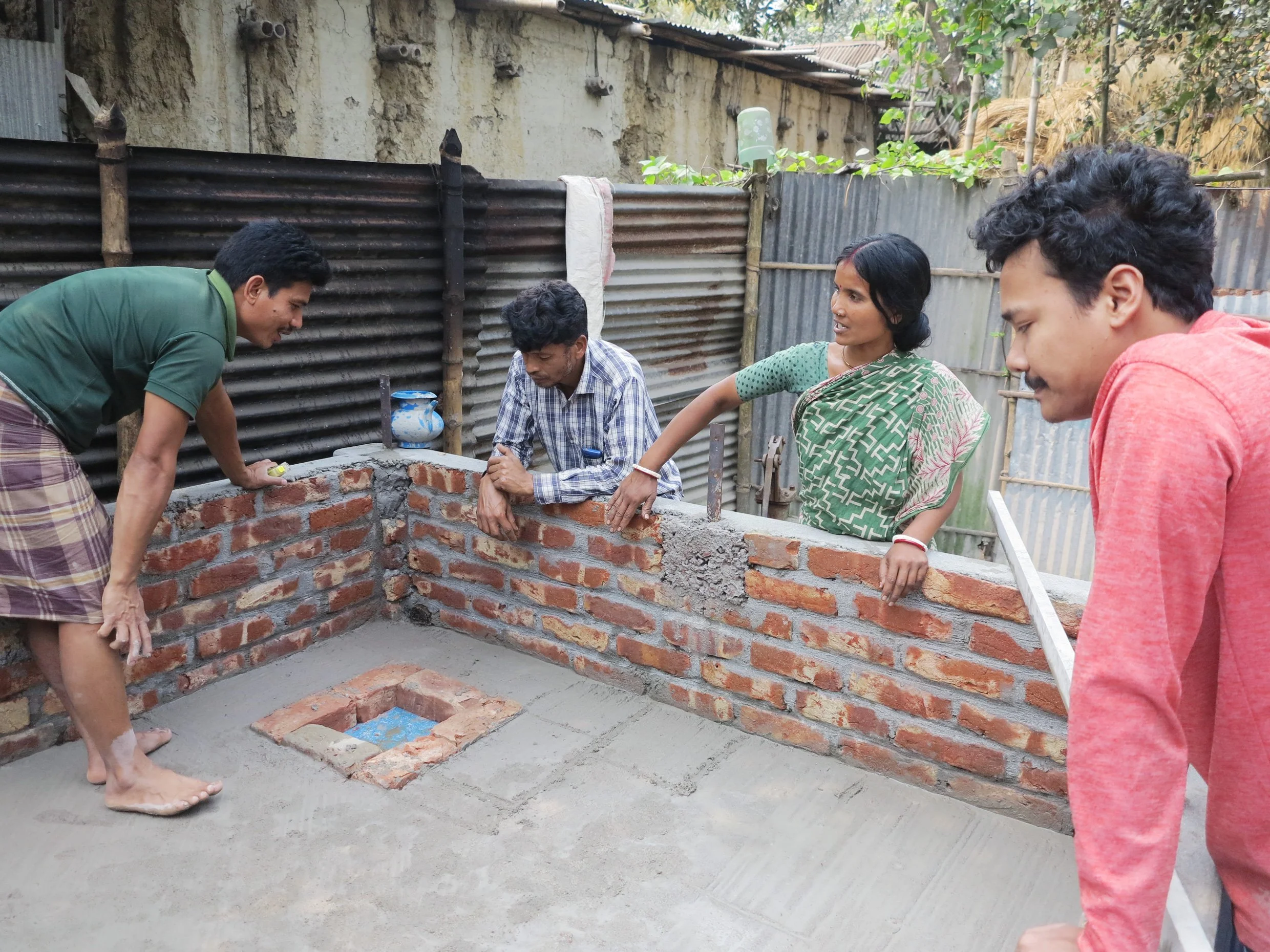
In rural northwest Bangladesh, a decent toilet remains the number one priority for the women and families we support. It brings dignity, safety and better health. As word spreads, more families are reaching out to AzuKo. We need your help to meet the growing demand →

Reimagining Place, AzuKo event

APRIL

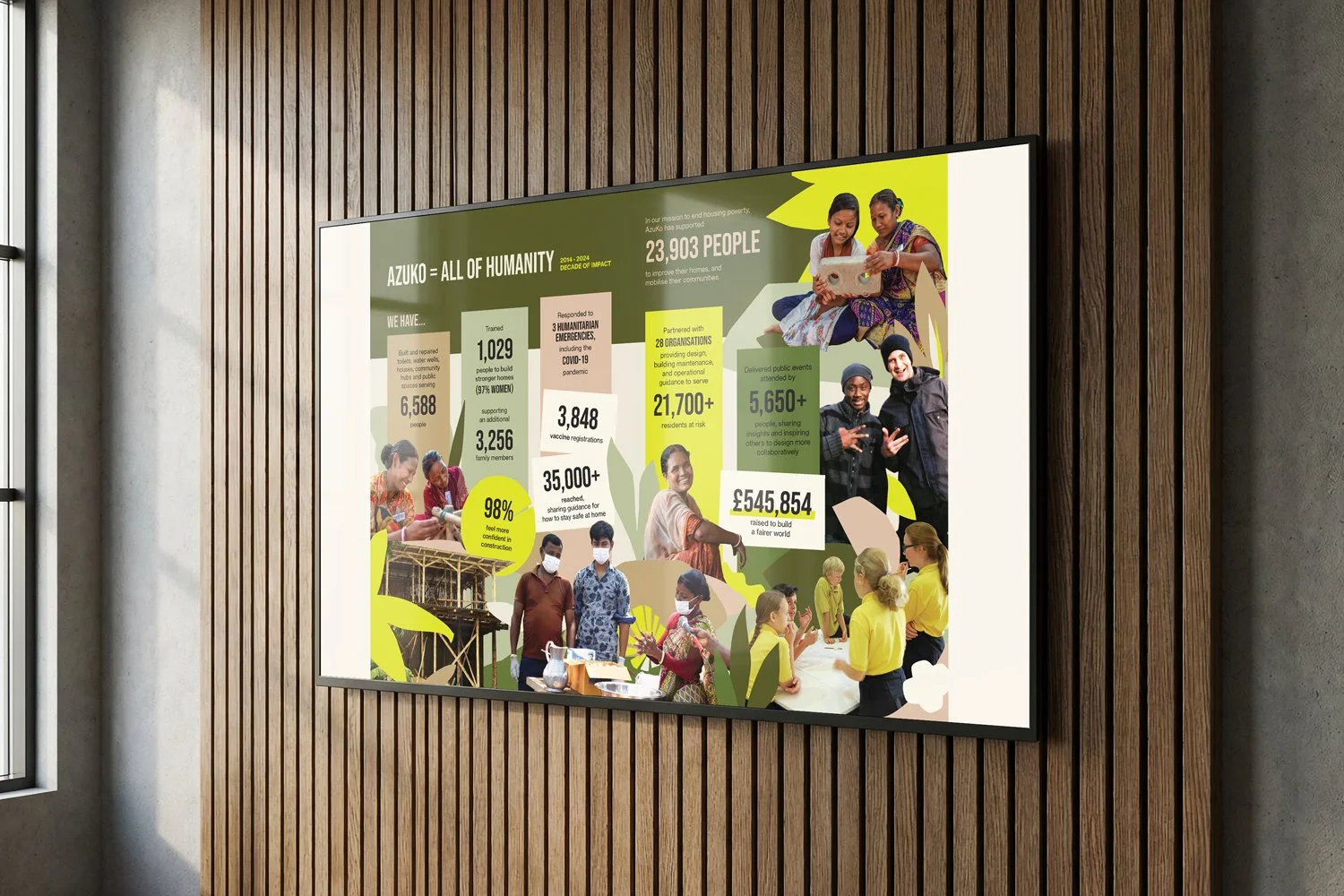
Milestone: Since AzuKo began in 2014, more than 6,100 people have attended our events. On Earth Day, we brought together housing and design experts to explore the links between social justice, place and wellbeing – and why they matter.

Before, we had to go outside to the fields, which was unsafe, especially for women. Now, we have privacy, security, and better hygiene. It has changed our lives.
— Moniabala (new toilet, Bangladesh)
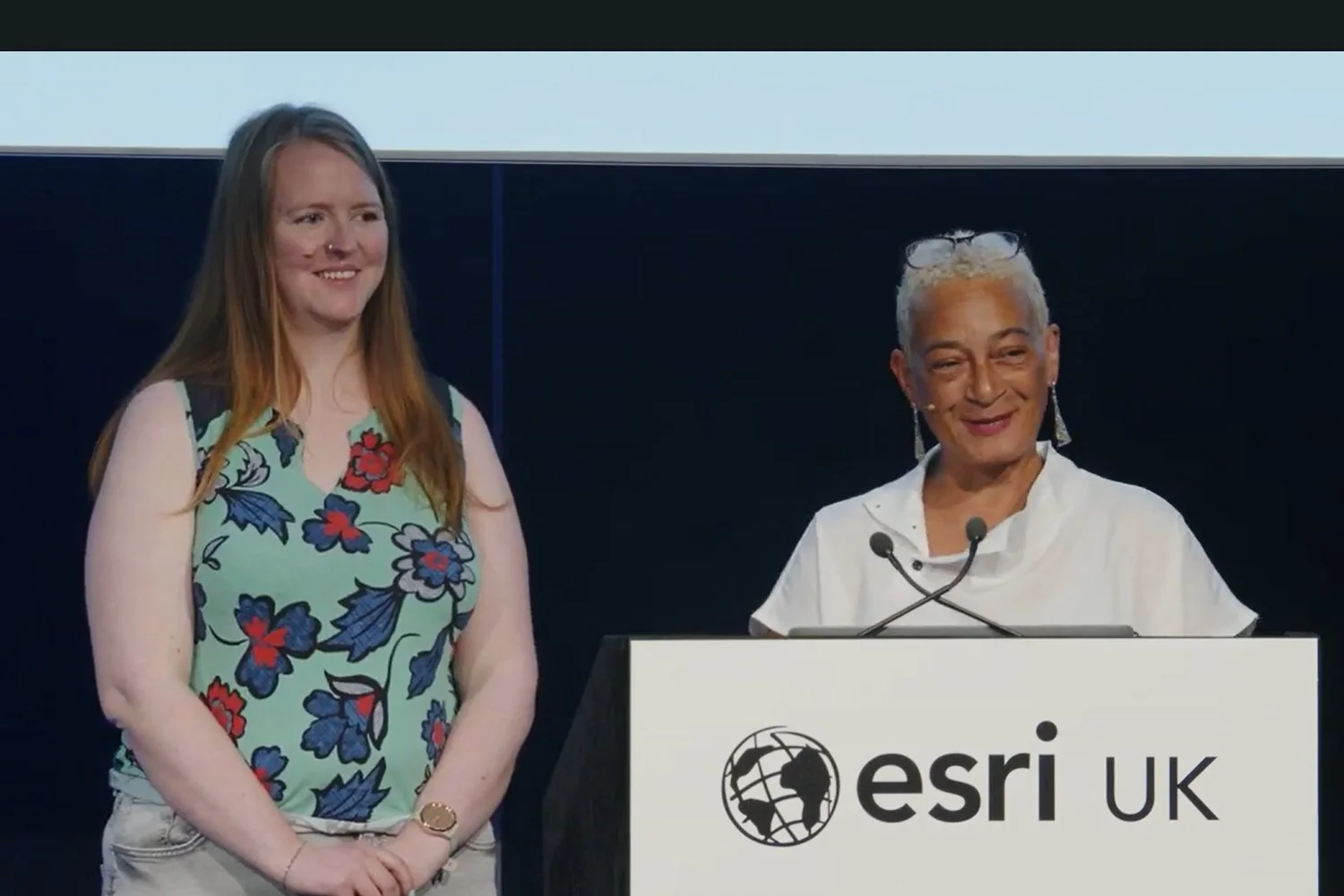
Presenting South Woodford

MAY

Our mapping work with South Woodford community in London was shortlisted for the Esri Success Award. The team presented at their Annual Conference attended by over 2,500 people, showing how community-owned data can shape better local development. Learn more →

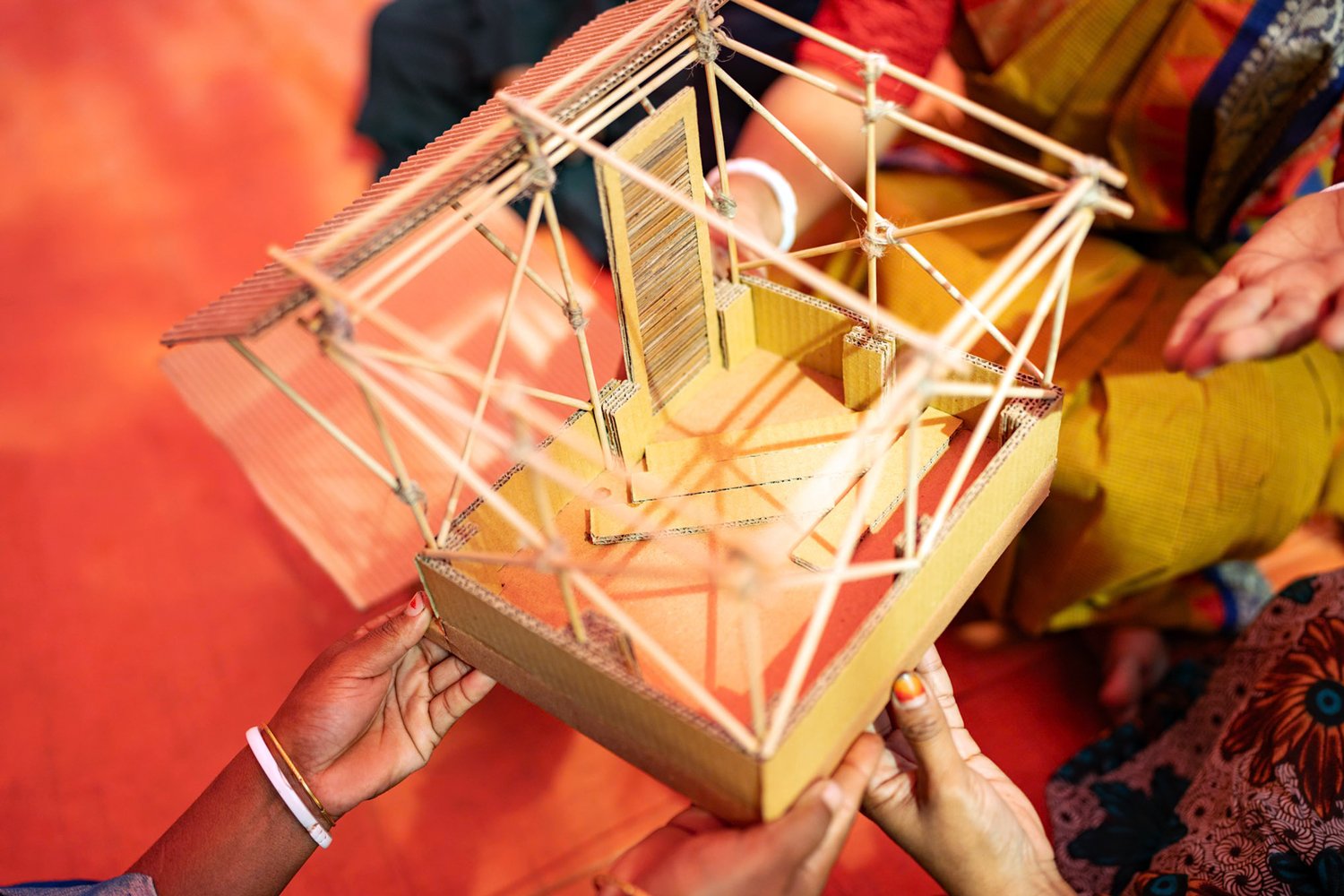
Structural model

JUNE

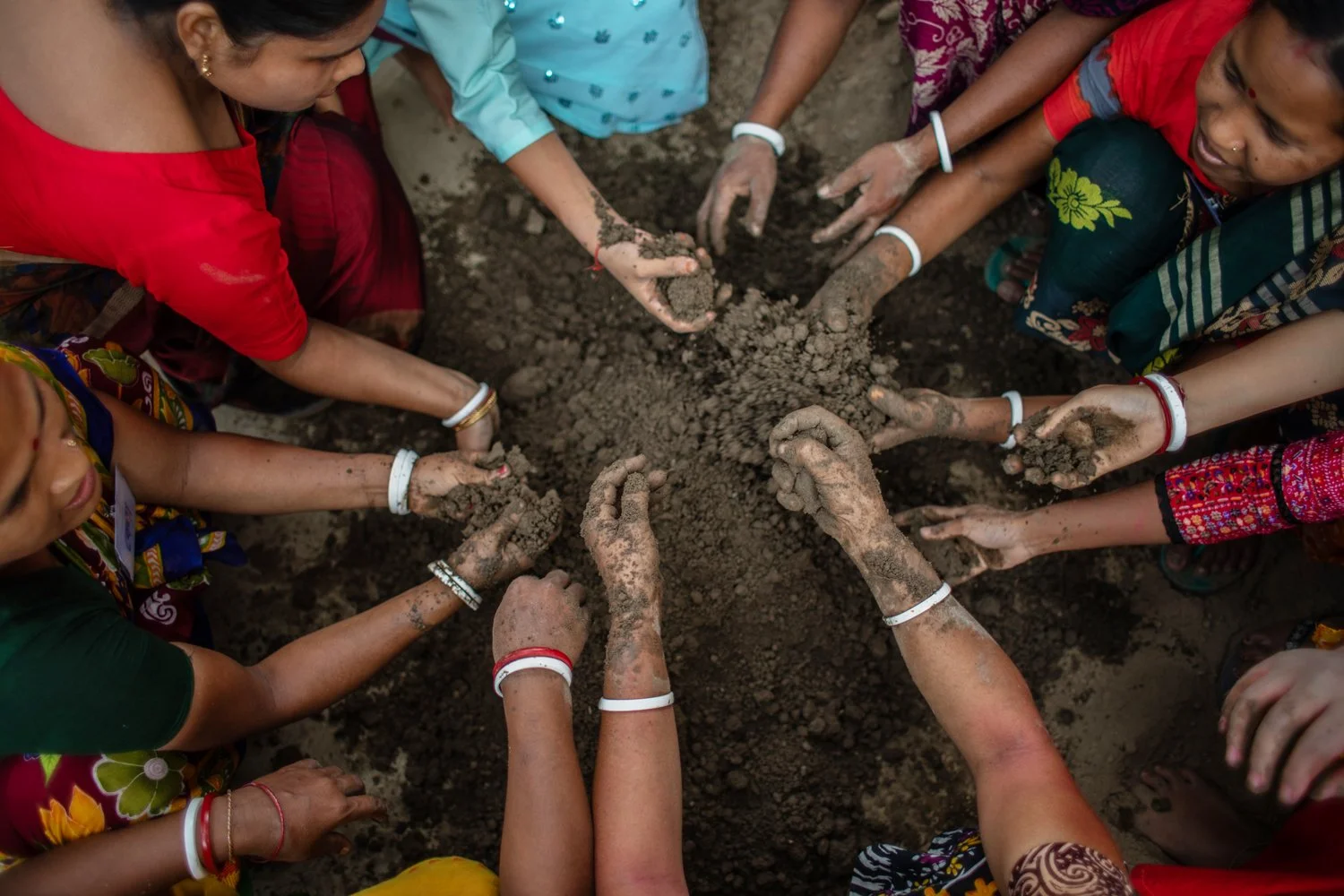
Milestone: We set an ambitious goal to train 1,000 women in construction between 2023 and 2025. We’re proud to have trained 1,118 women in the past three years – and nearly 1,800 people since our Build for safety training began in 2018.

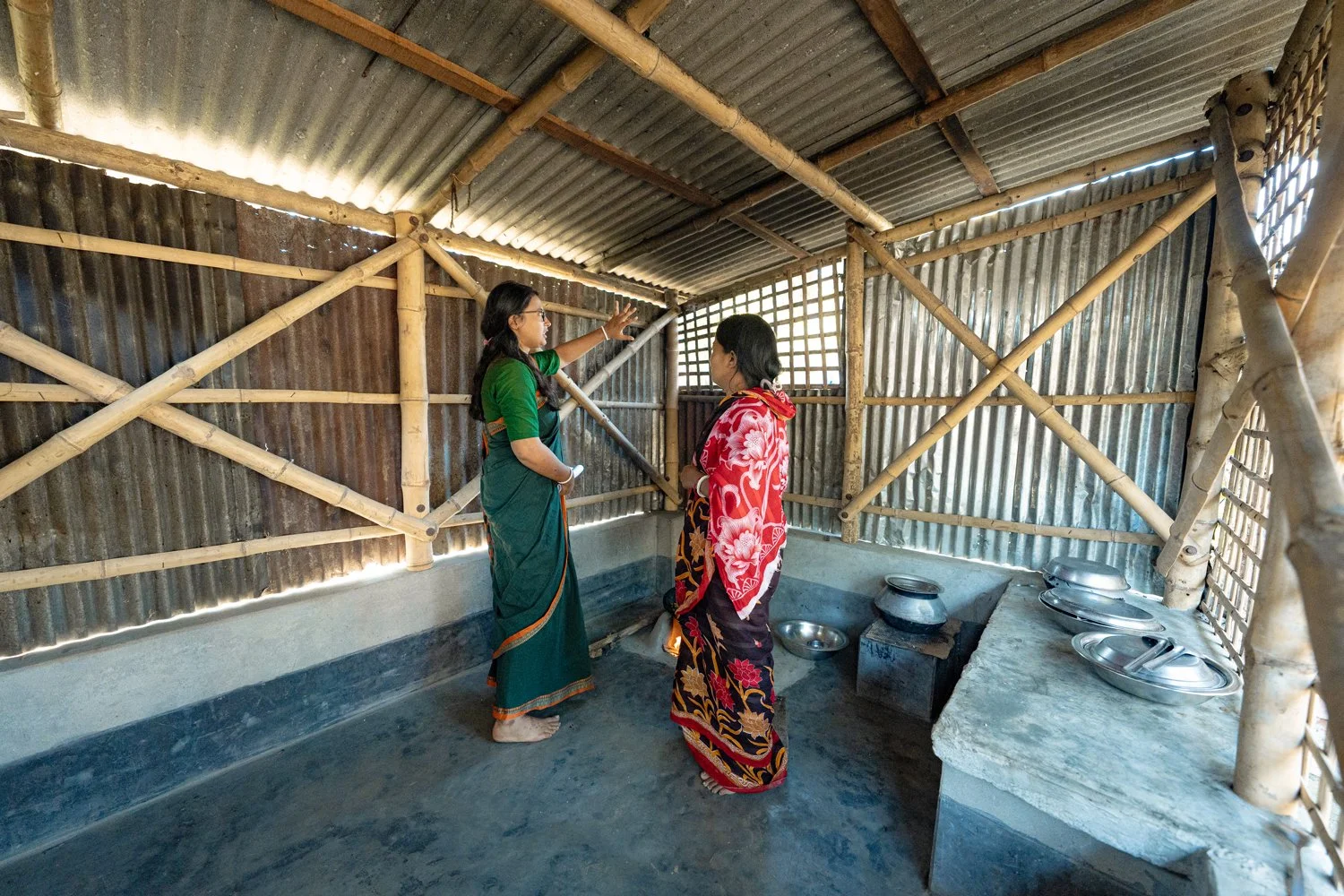
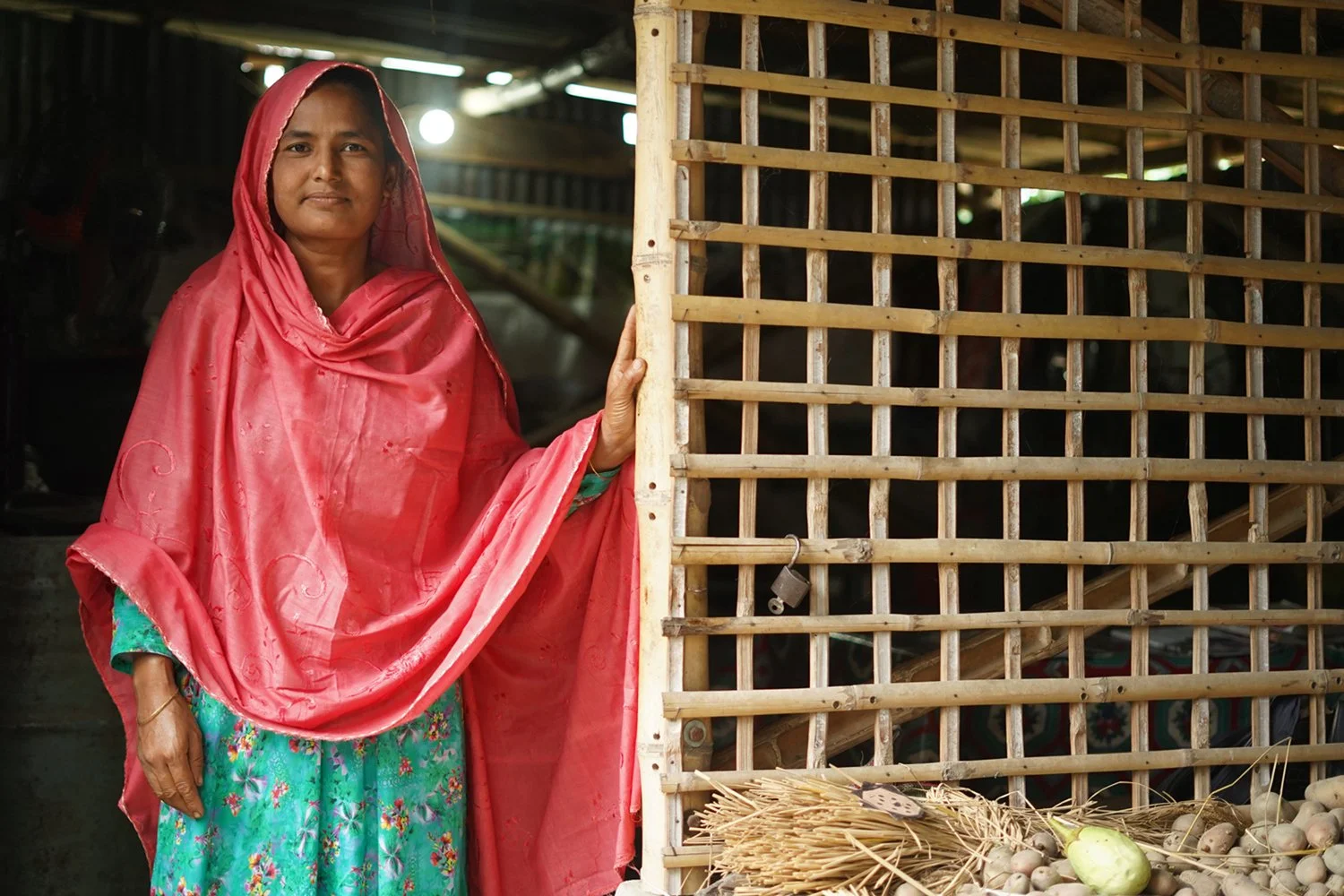
Amena's new kitchen

JULY

A safe, healthy home is the foundation for a decent life. Many of the homes we build are modest in size but powerful in impact. Read Amena’s story and see how her improved kitchen is changing daily life →

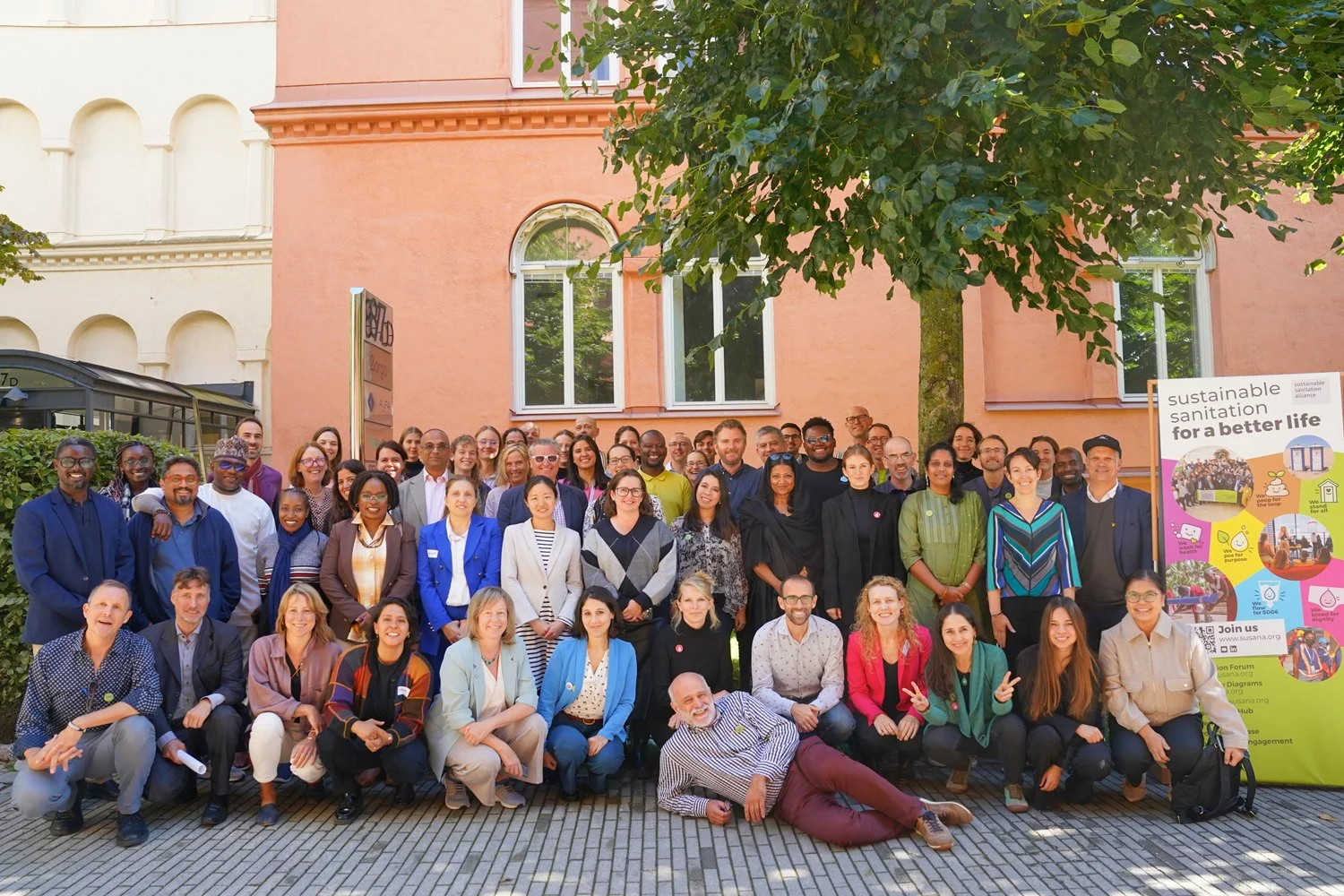
SuSanA meeting, Stockholm

AUGUST

We attended World Water Week and the Sustainable Sanitation Alliance meeting in Sweden. These global gatherings help us learn, share, and strengthen the movement for housing justice. Read what we took away from the events →

When I think of the future we are building, I don’t see numbers. I see a girl who stays in school. A mother living in good health. A grandmother who no longer fears searching for a place to go to the toilet at night.

That is progress worth fighting for.
— Jo (CEO)
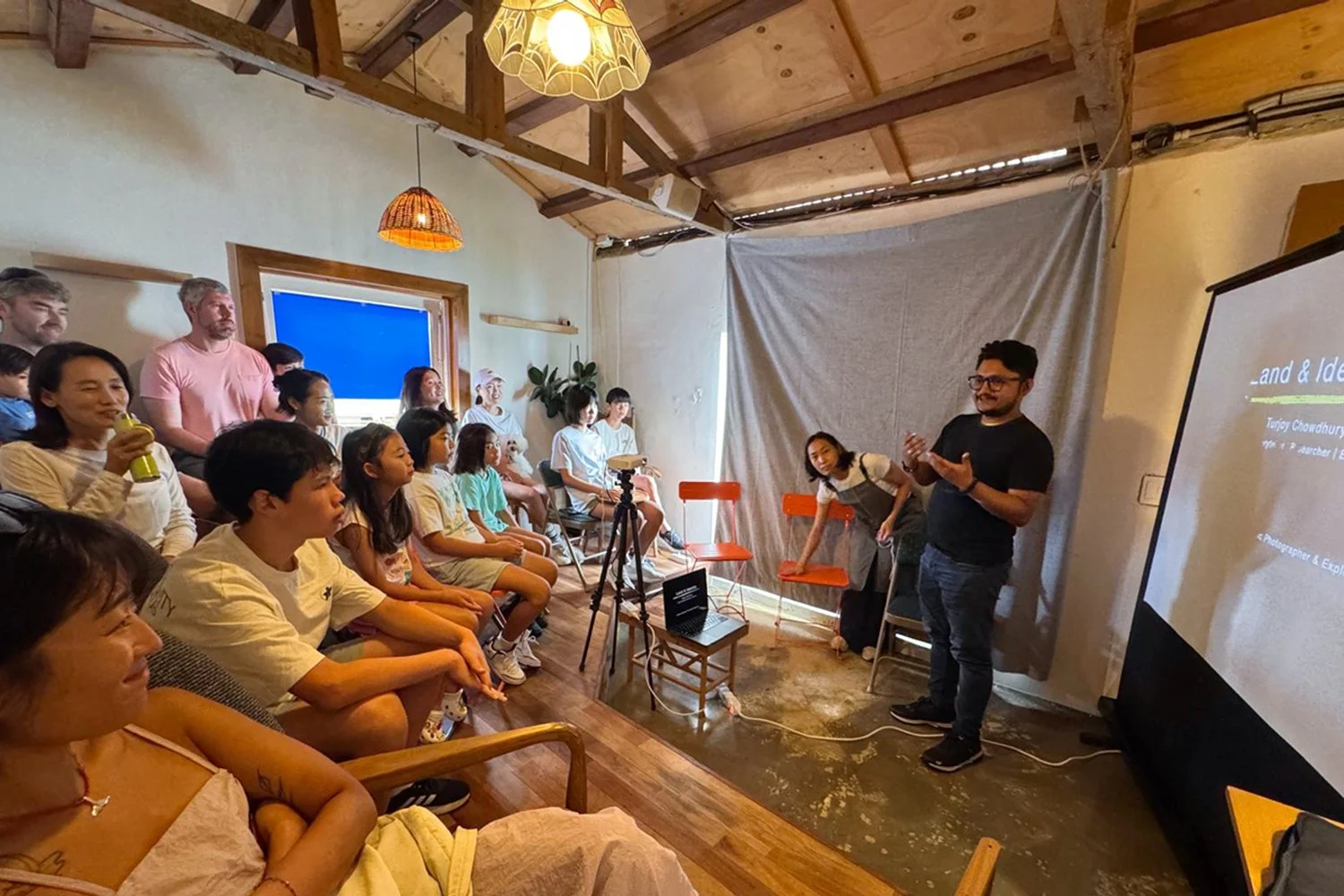
Screening film in South Korea

SEPTEMBER

Our award-winning short film Building Resilience continues to educate and inspire audiences around the world – with screenings reaching Jeju Island in South Korea. It shows what’s possible when women gain the skills to build safer homes. Watch here →

Finalists presentation

OCTOBER

We were proud to be named a finalist in the prestigious Clifford Chance SDG Awards, recognising outstanding contributions toward the United Nations Sustainable Development Goals. It’s an encouraging nod to the collective effort behind our work.

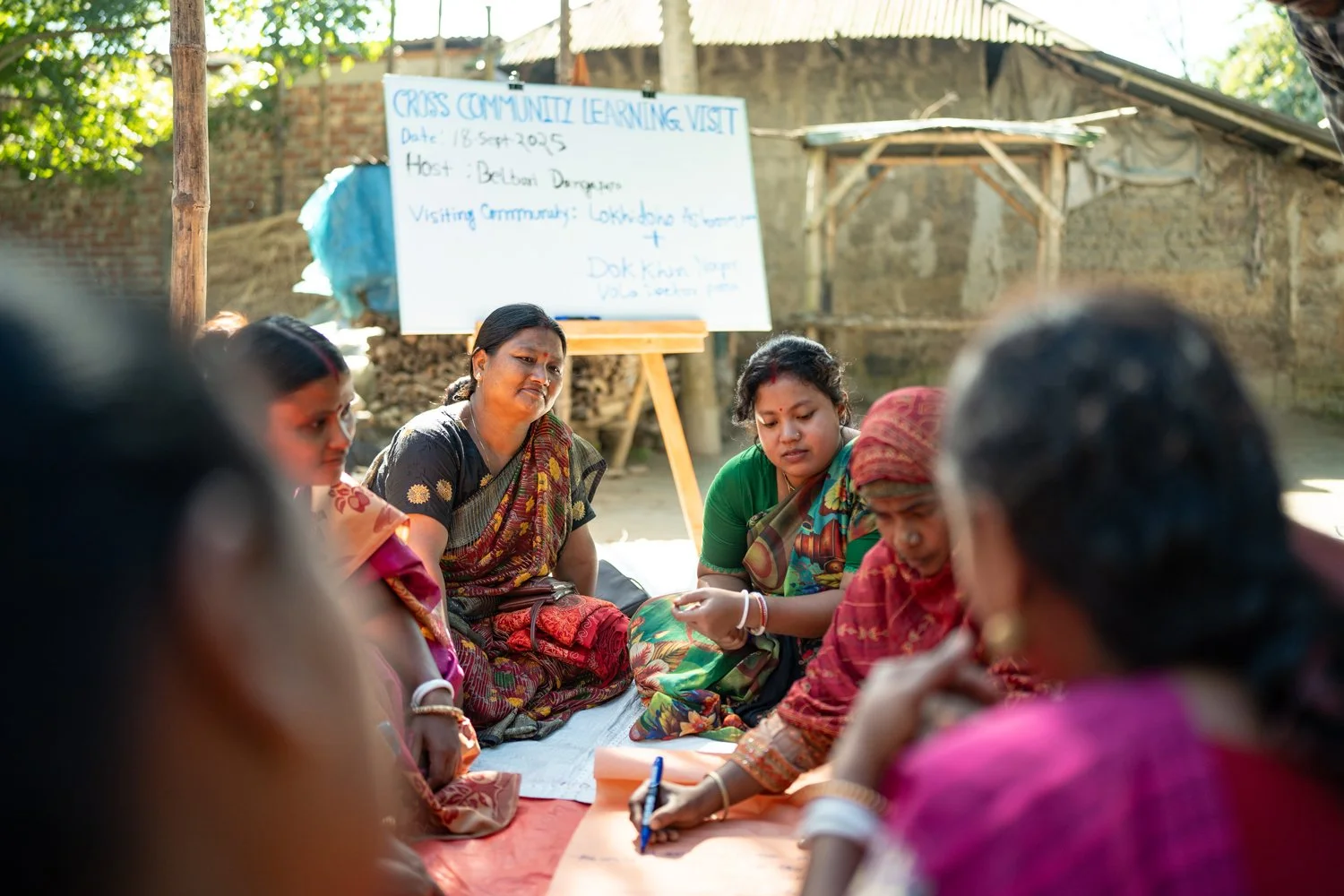
Cross-community learning visit

NOVEMBER

Milestone: More than 725 women have been supported through housing finance initiatives – including financial training, savings groups, new bank accounts and peer learning visits. Can you help us reach 1,000 women by the end of 2026?

Big Give success

DECEMBER

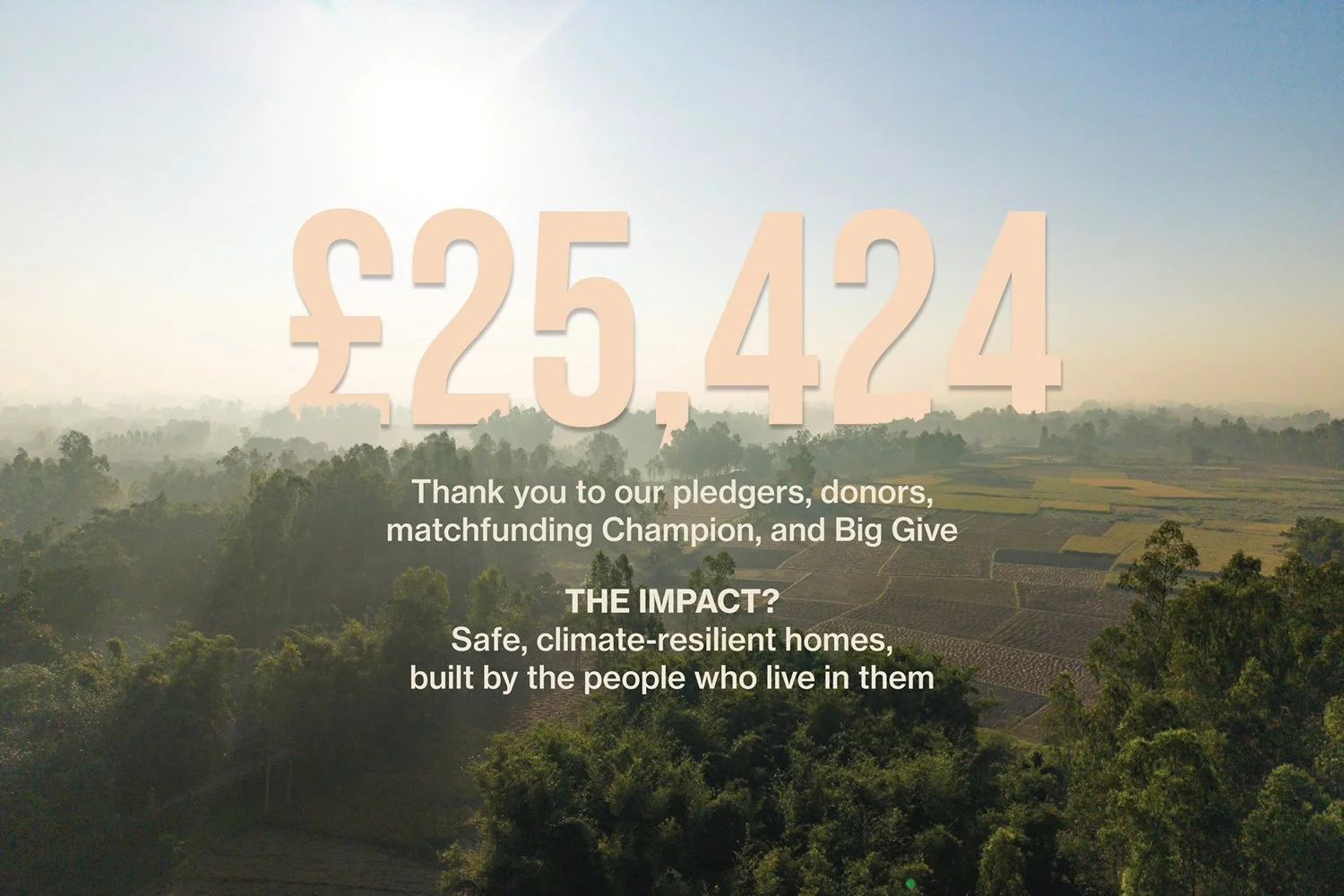
Together, we raised an incredible £25,424 through our annual appeal. Every gift helps create a pathway out of poverty for families we work alongside. Watch our video to see the real difference your support makes →

The new year is a chance to achieve more, together. Get in touch if you’d like to make a difference in 2026. We’d love to hear from you.