Who are museums created with?

"I'm not sure if that's right..." He expanded,

the things I suggested - I’m not sure if they are the right design answers for those problems.

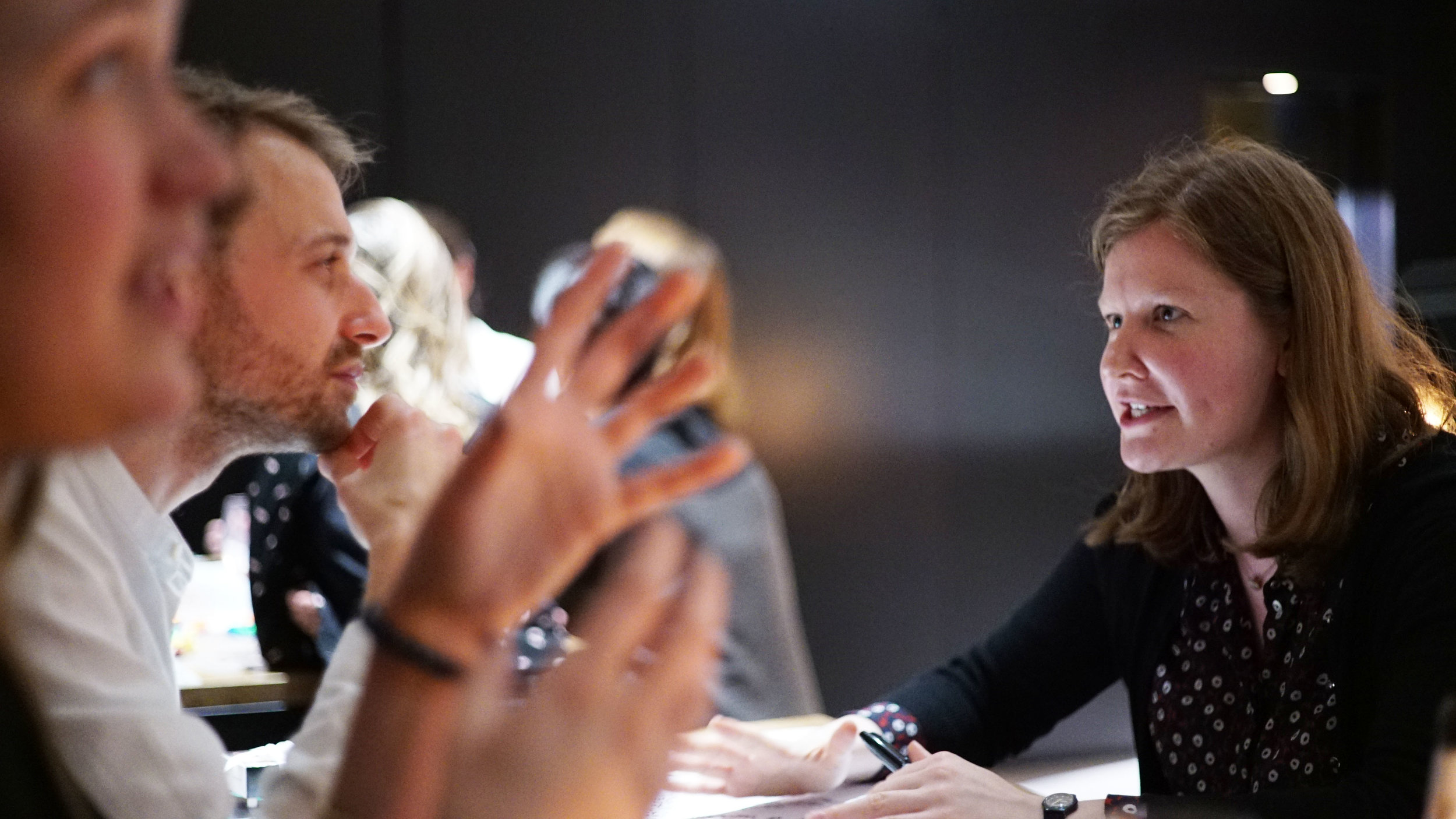
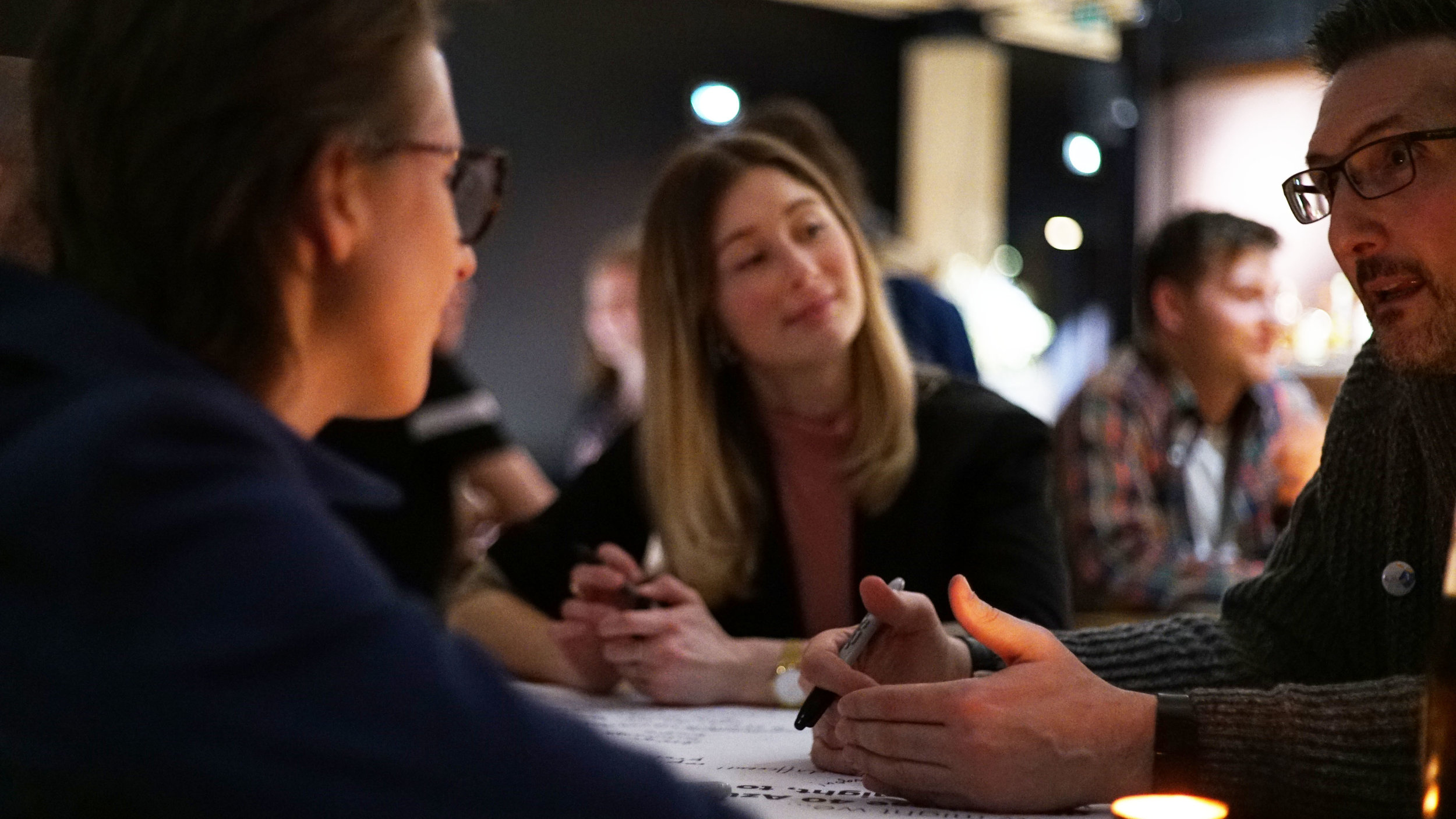
The gentleman had participated in a workshop with AzuKo at Tate Britain as part of the museum's Soapbox series, "for people near or beyond the age of 60 to meet up and share views on life and art through topical discussion and debate".

The Public Programmes team at Tate hired us to design and facilitate the July edition of Soapbox - Who are museums created with? (Though we were quickly informed by one of the participants that museums are where dead elephants and historical artefacts are housed and galleries are where art is presented. A common mistake, she reassured us.)

The man was unsure about the recommendations he had made about the signage design for one of the galleries. He suggested that the intention of the room should be communicated better and that the signage be designed in a way that was more welcoming and informative.

He was critical, he had a point of view and he was confident about the types of design changes that could make the space more user friendly. Nevertheless, he was uncertain about his voice as a designer.

We asked the group to explore and observe the galleries and speak with other visitors about the current experience at Tate Britain. We prompted them to challenge how participatory the spaces currently are, and why that was relevant.

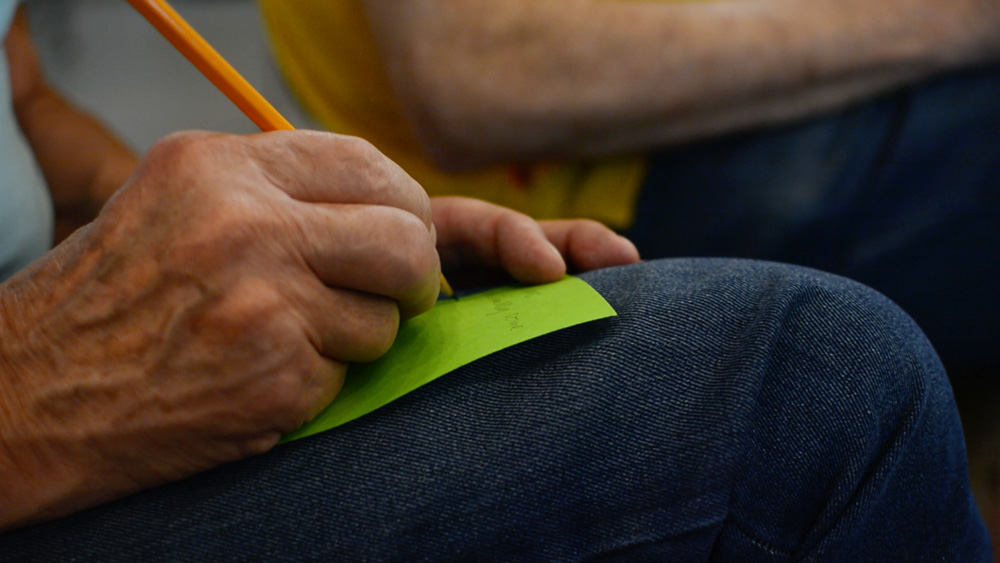
When we spoke with the group about their observations and their conversations it was immediately apparent that the discussion was a voicing of design perspectives on how the museum could be more welcoming, more useful and how it could support a better experience.

We were inspired by the diversity of ideas they put forward, despite only having half an hour to complete their task. They touched on:

  • Particular aspects of the galleries that aren't culturally relevant for foreign visitors

  • Importance of communication and signage in the space and the ineffectiveness of some signage in the galleries and the Common Ground community garden. The size, messages, colours and coordination were all discussed.

  • Learning styles that should be considered which would affect the nature of the experience e.g. extroverted and introverted personalities will experience the space differently

  • Insights about the user experience - some staff have the opportunity to participate in the experience of the museum unlike roles such as Security, spatial curation could be better and certain rules in the space didn't work for their age group e.g. no sitting on the temporary exhibition which has several spaces to seemingly sit

  • Seasonality and planting in the Common Ground garden, and how it could have been more collaboratively created

  • Children offer their own perspective (a mindset and from the floor) on the art in the museum; a relevant perspective

(Photo: N. Ardaiz)

(Photo: N. Ardaiz)

The man's comment after the workshop is telling. It highlights to us the hierarchy inherent in the world of design and, more importantly, the nature of education in our society. Of course he was correct - he was also incorrect - there is no right design for the museum which would meet the needs of all users at Tate Britain.

What was most impressive about the session, was that despite any doubt the group had about their age, their lack of training as designers or the subjectivity of the 'right' design, in just two hours the group united around a task and over-delivered an assembly of relevant design voices that Tate couldn't ignore.

Learn more about our public workshops and events.


Author: N. Ardaiz

Exploring engagement for Wellcome Trust

It's a global charitable foundation developing vaccines for Ebola, insecticide-treated bednets for malaria and best practice for reducing risk of infection for frontline workers. It's an organisation that shouldn't necessarily care about people's emotional or 'unscientific' perspectives. Why would a chaotic, arguably irreplicable architecture pavilion mean so much to Wellcome Trust?

We took a look at why it does matter and what we can collectively learn about building relationships and working with communities.

It's a brave funding strategy - trust. Give someone enough money, time, autonomy and support to do what you've asked of them. This is the approach Wellcome Trust takes with their Engagement Fellowships programme to facilitate a diverse discussion around health and wellbeing. Though a catalyst for a successful engagement, this approach also leaves room for reflection and learning.

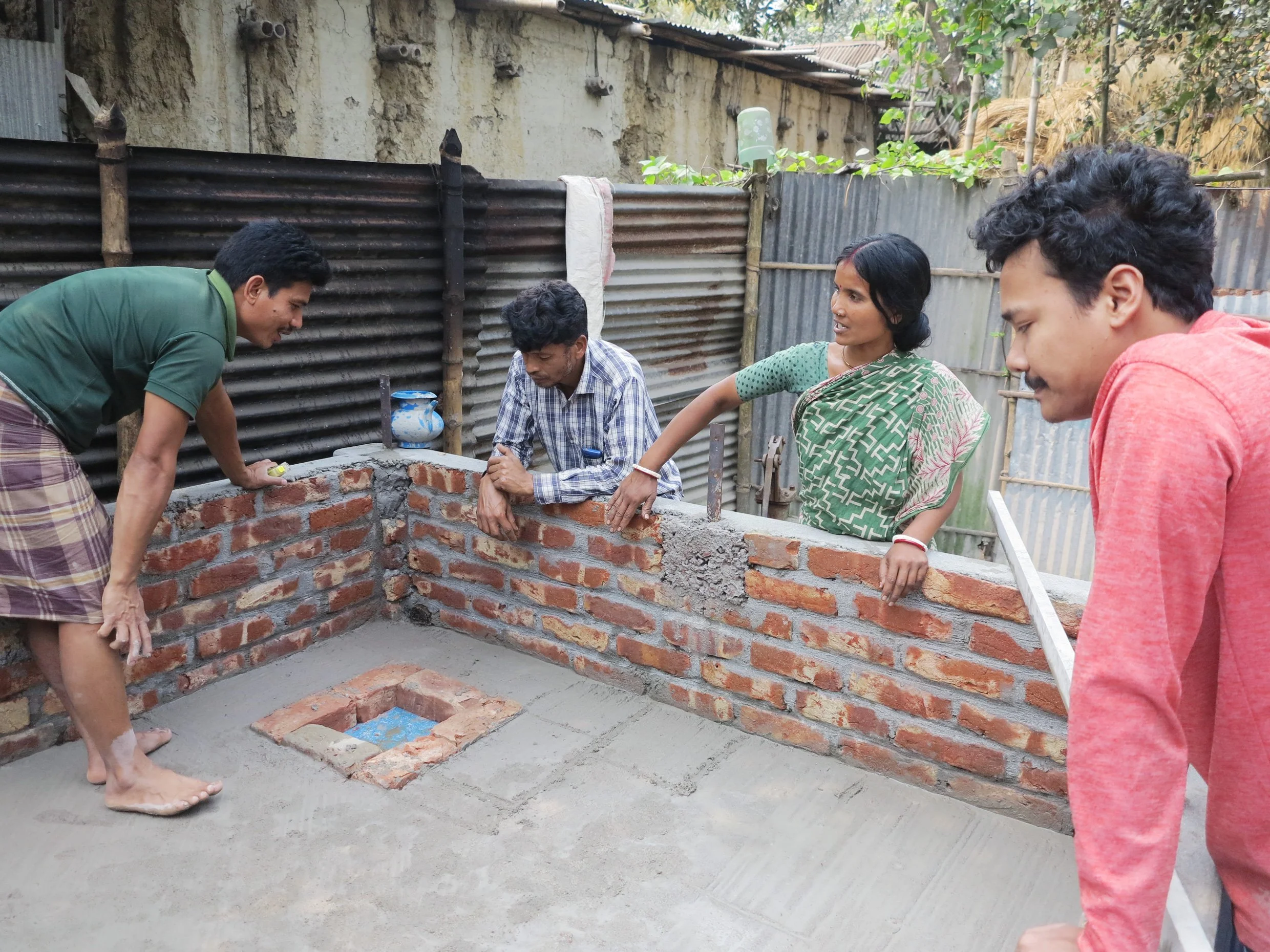
We were commissioned by artist Alex Julyan and Wellcome Trust to evaluate Poplar Pavilion; an architecture and wellbeing pop-up in Poplar's Chrisp Street Market - the centre of our own work in Tower Hamlets. The Pavilion was the culmination of Alex's three-year fellowship with the Trust.

(Photo: A. Julyan)

(Photo: A. Julyan)

In the report we discuss the challenges of effectively engaging a range of stakeholders in a community, particularly those with power. We do this through the lens of Wendell Berry and other voices in design, science, health and wellbeing.

The complexity of the relationships and interactions with the Pavilion and Alex's team were captured using human-centred methods; documenting what we heard, read and observed. This resulted in a collection of personas (semi-fictional characters) that allow readers to empathise with and more deeply understand the diverse needs of all those involved.

(Photo: M. Buzzi)

(Photo: M. Buzzi)

60% of our time is listening and talking. Maybe 30% is building, and 10% is other stuff
— Alex Julyan

The Pavilion was dynamic. Throughout its life, it was described in many ways: temporary, a place to be, respite, stimulus, whimsical, useless, human-scale, as well as words indicating wellbeing: balance, connection, wonder and beauty.

Alex prioritised communication with the community. It was a process guided by a responsive and serendipitous approach to design. These are a key part of the participatory process.

... whatever we were going to design, it was going to be in response to interaction with the community, and people. Before she [Alex] brought me on board, she was already connecting up community groups.
— Pavilion team member

Regarding health and wellbeing we explore a range of academic topics from access to green space and environments that combat social isolation to engagements that support a sense of belonging. The health effects range from stress reduction to healthy brain development. We also remind readers that understanding impact is often complex, and that this is a humble attempt to learn and imagine.

We conclude with several key learnings for future work:

  • An effective engagement takes time and consistency

Alex was able to spend several months of face-to-face interaction with the community, which allowed for trust building, design iterations and an opportunity for a legacy lasting beyond her presence there.

  • Solutions should be co-created

Buy-in and support from particular stakeholders (the landlord, local health professionals, local opponents etc) was a challenge for the Pavilion team throughout, and was perhaps a result of those stakeholders not feeling included in the design process (the decision to design and build a pavilion was made before engaging those in Poplar). This is a challenge inherent in regeneration projects.

  • Engagement is a balance of power and love

The Pavilion team was an example of a compassionate, responsive and present approach to engagements, however, a more strategic pathway would have led to a vested response from the other stakeholders.

  • Create a clear vision for people to get behind

Alex's process was organic and dynamic - it's what defined the Pavilion. However, a lack of vision created ambiguity and therefore an apprehension to fully invest in the project, even from those who were considered supporters. This stopped people from participating fully.

(Photo: E. Andrews)

(Photo: E. Andrews)

In the social impact world we use words like 'empower' and 'co-production', often with little discussion about what that actually entails, and the capacity and skills needed to facilitate that. Alex's experience in Poplar highlights how despite time, intention and a quality end product, there are still many challenges in supporting diverse groups of people to come together under a single vision for the betterment of a community.

We'd love to hear about your own stories of engagement and participation. Share with us.

To read the full report, visit our Poplar Pavilion project page.


Author: N. Ardaiz
Celebrating 4 years

In 2013 the seeds of AzuKo were planted. We discussed how design could help those in need. We asked ourselves how we could contribute. In 2014 AzuKo was born. Our mission is to design with disadvantaged communites, and empower them to create the world they dream of. 

Four years on we’re operating in the UK, Bangladesh and China, working towards this goal. Our journey so far:

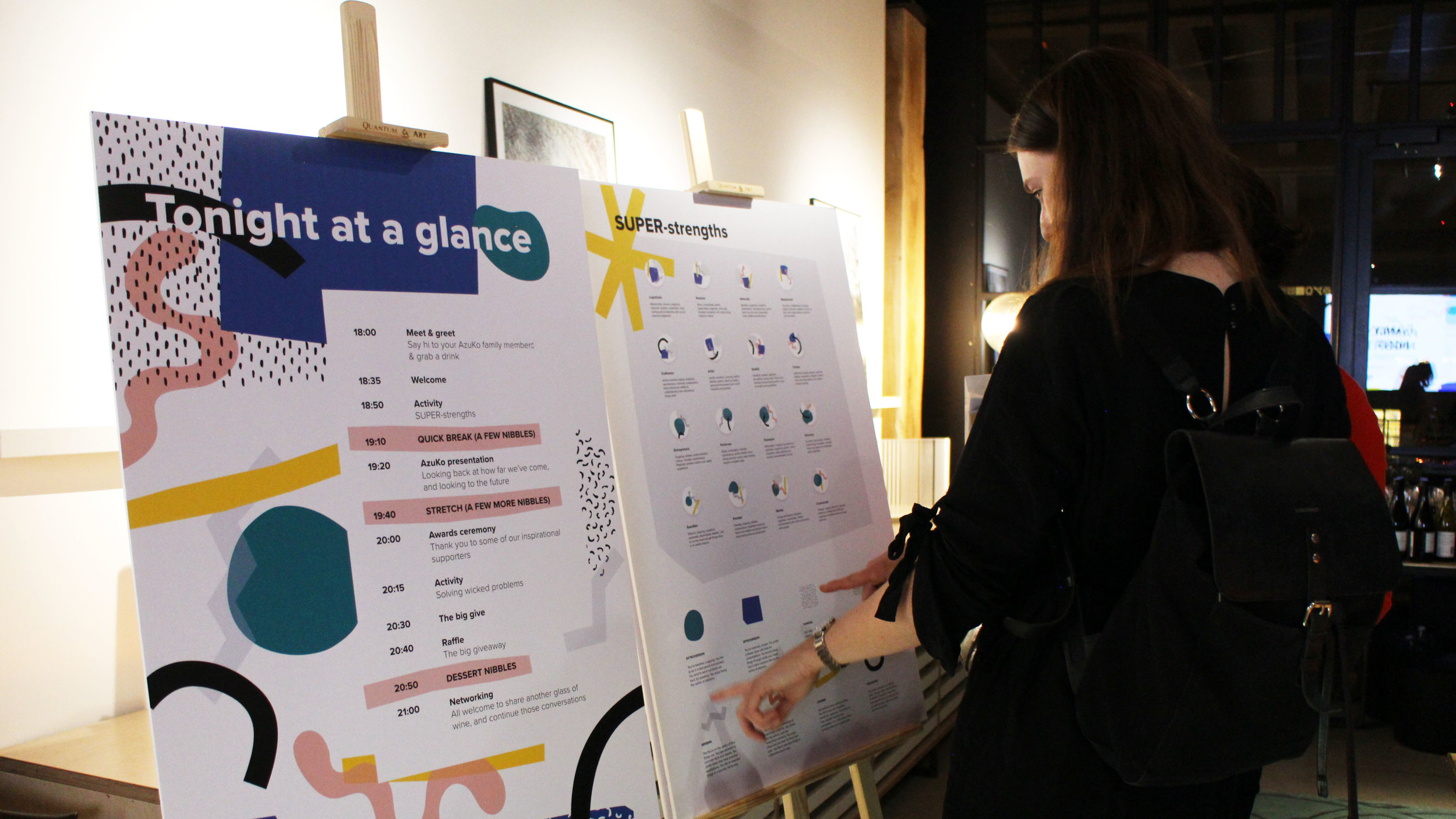
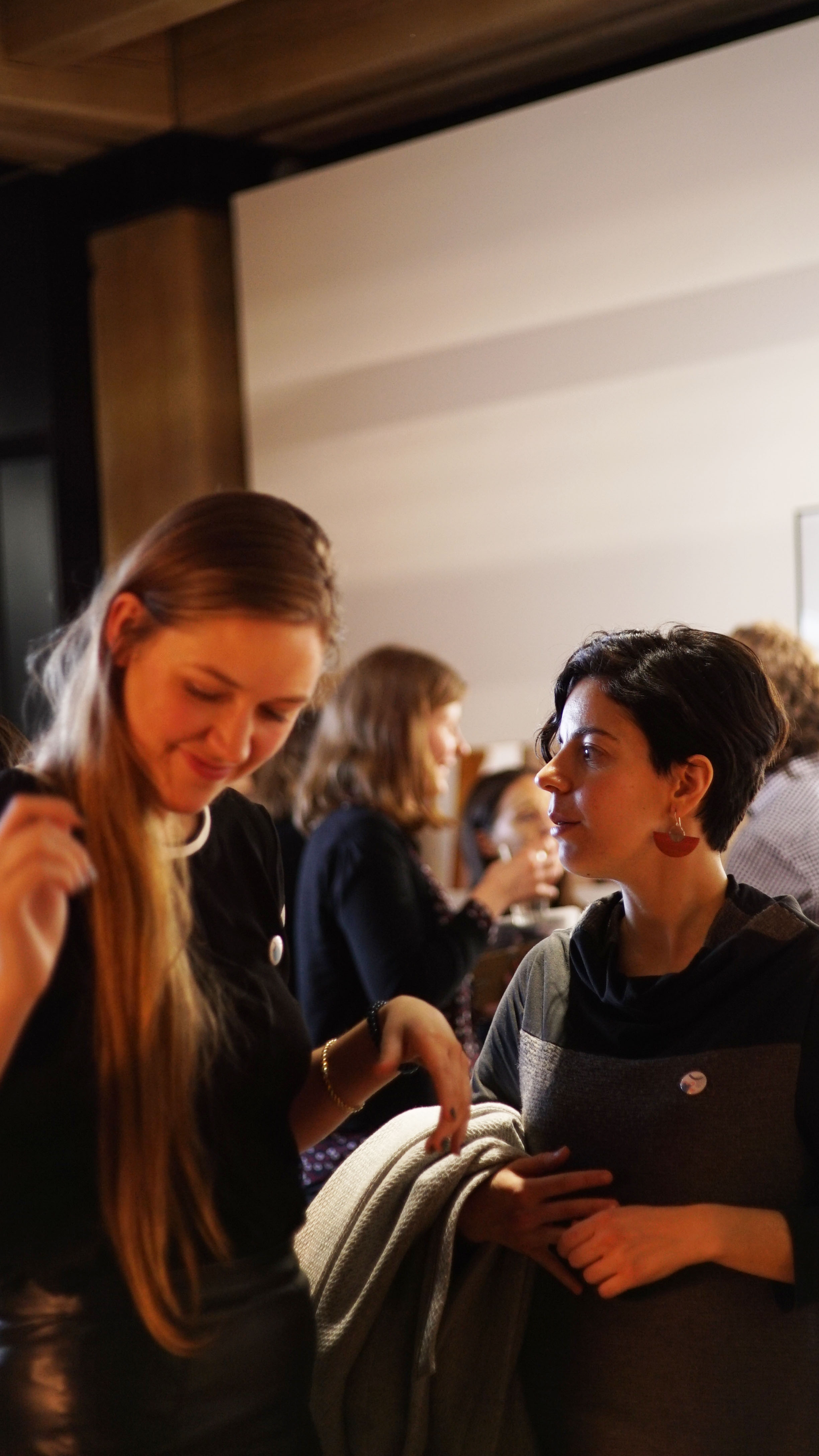
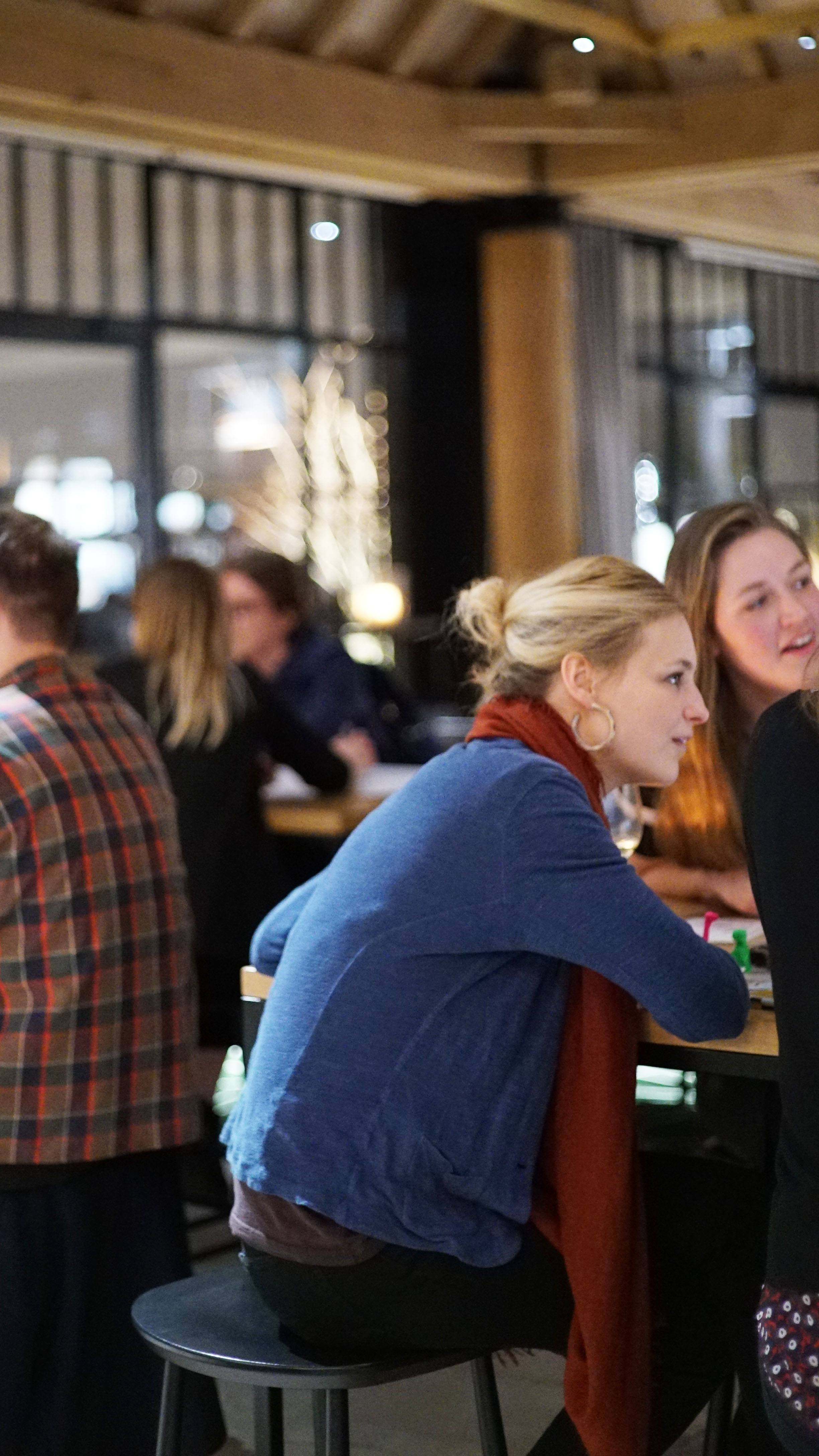
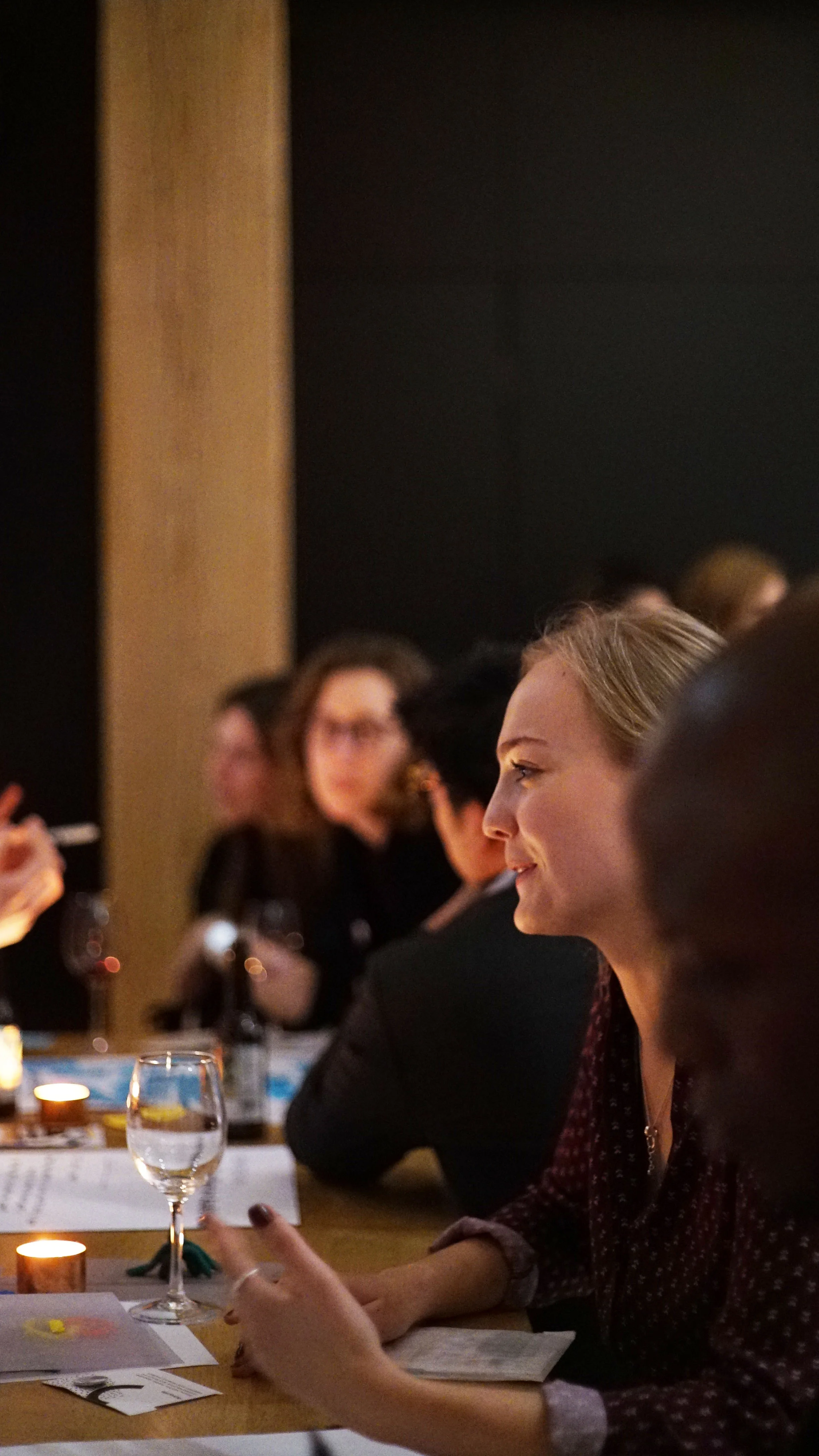
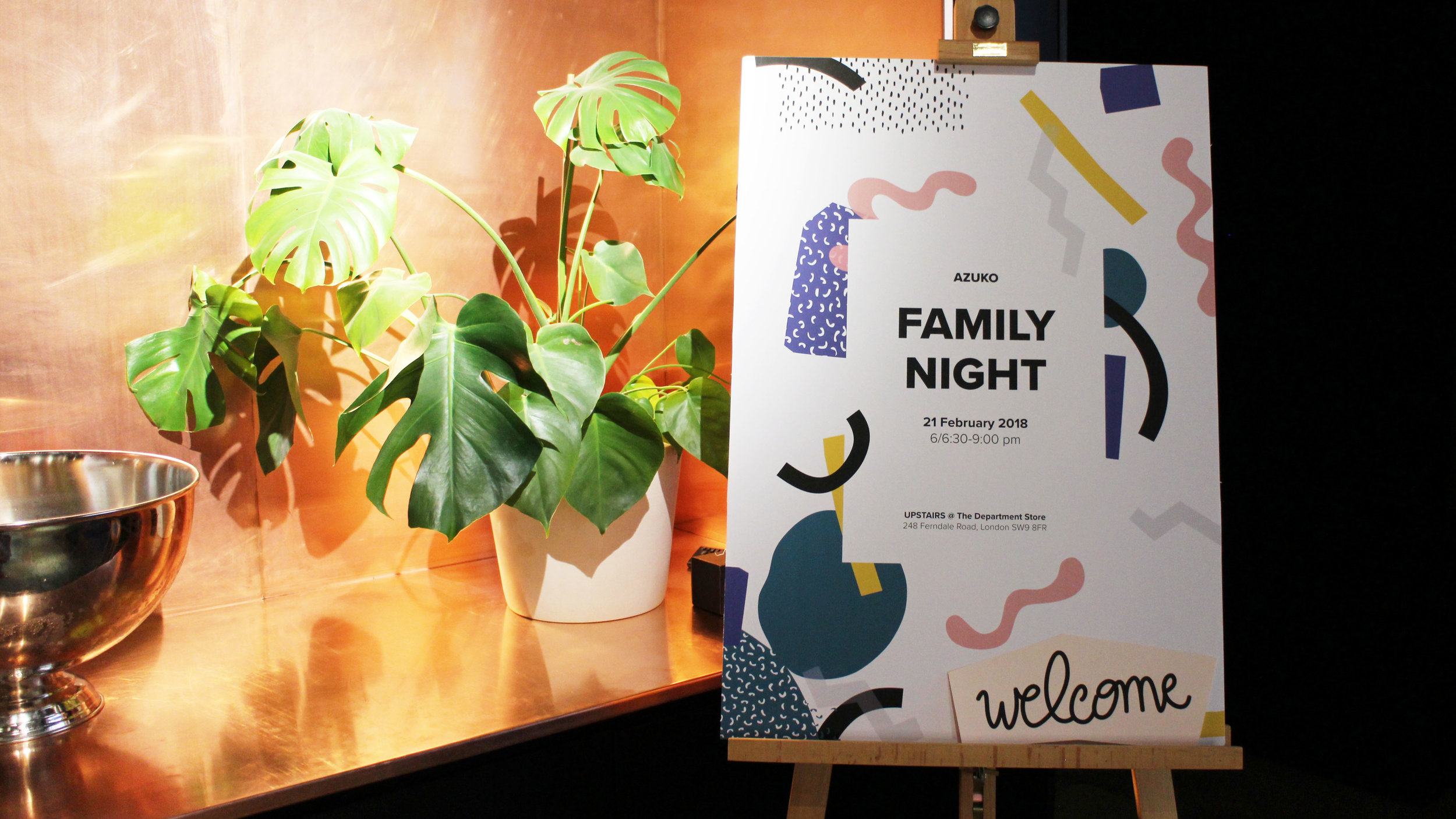
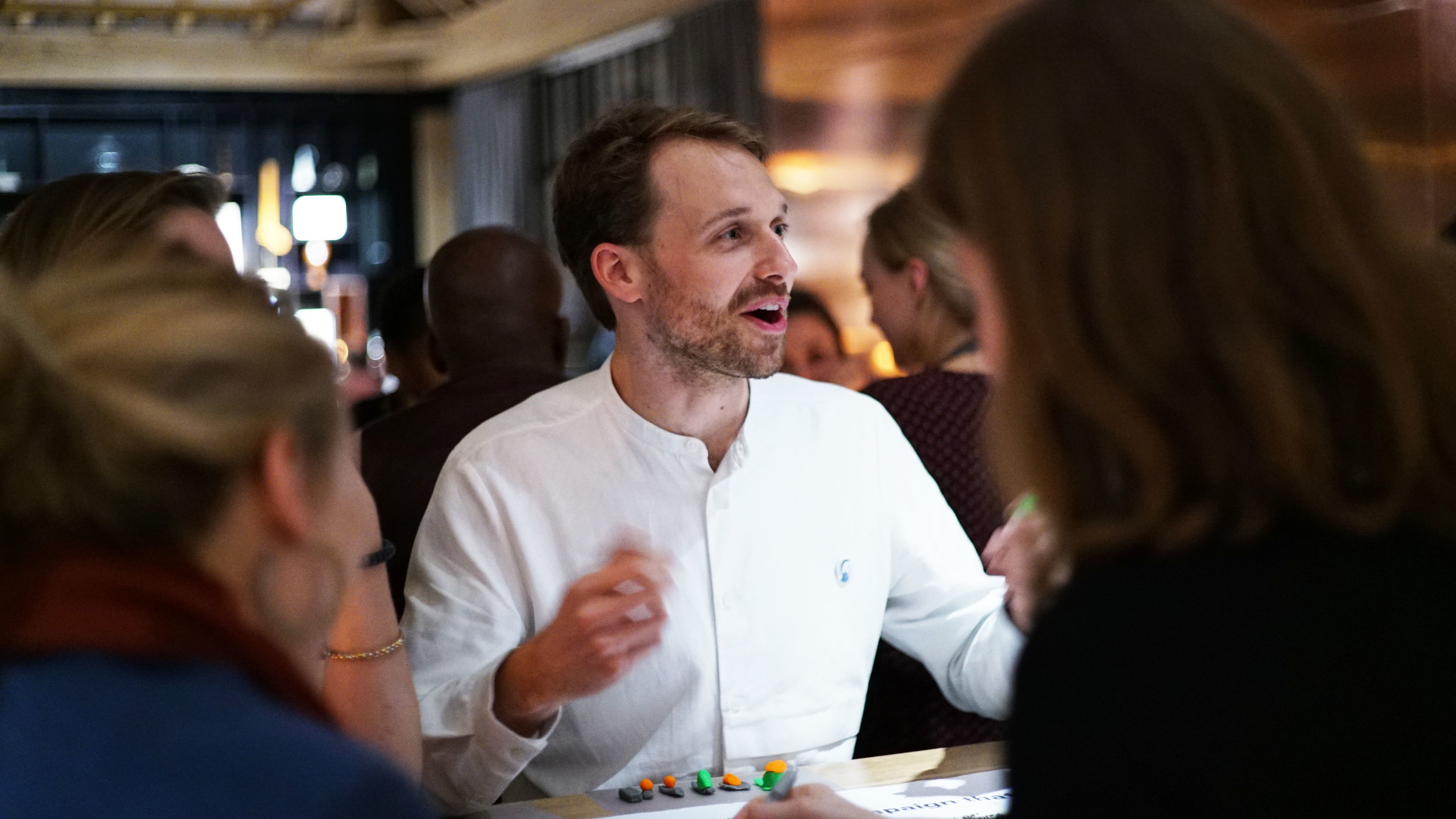
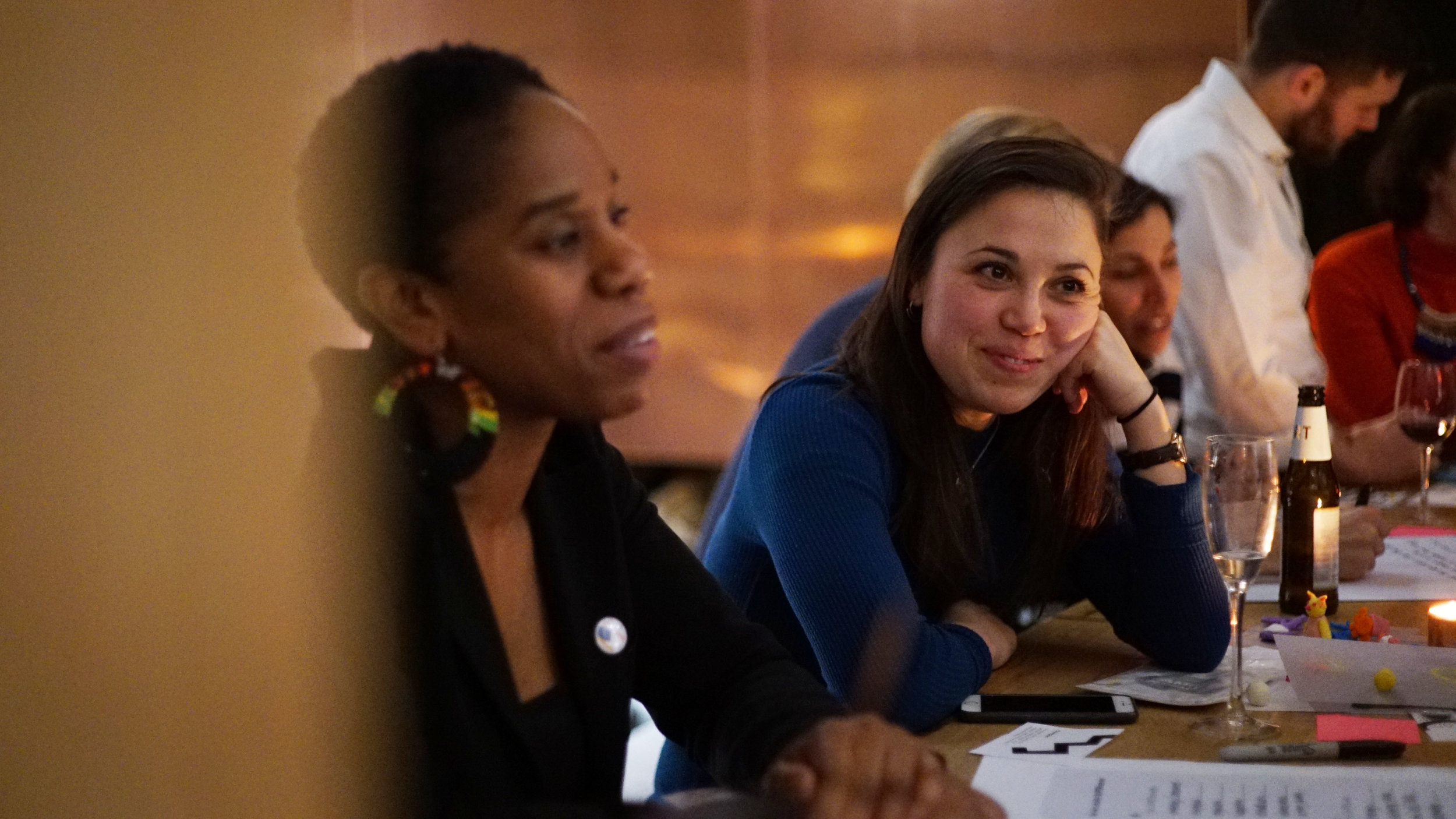
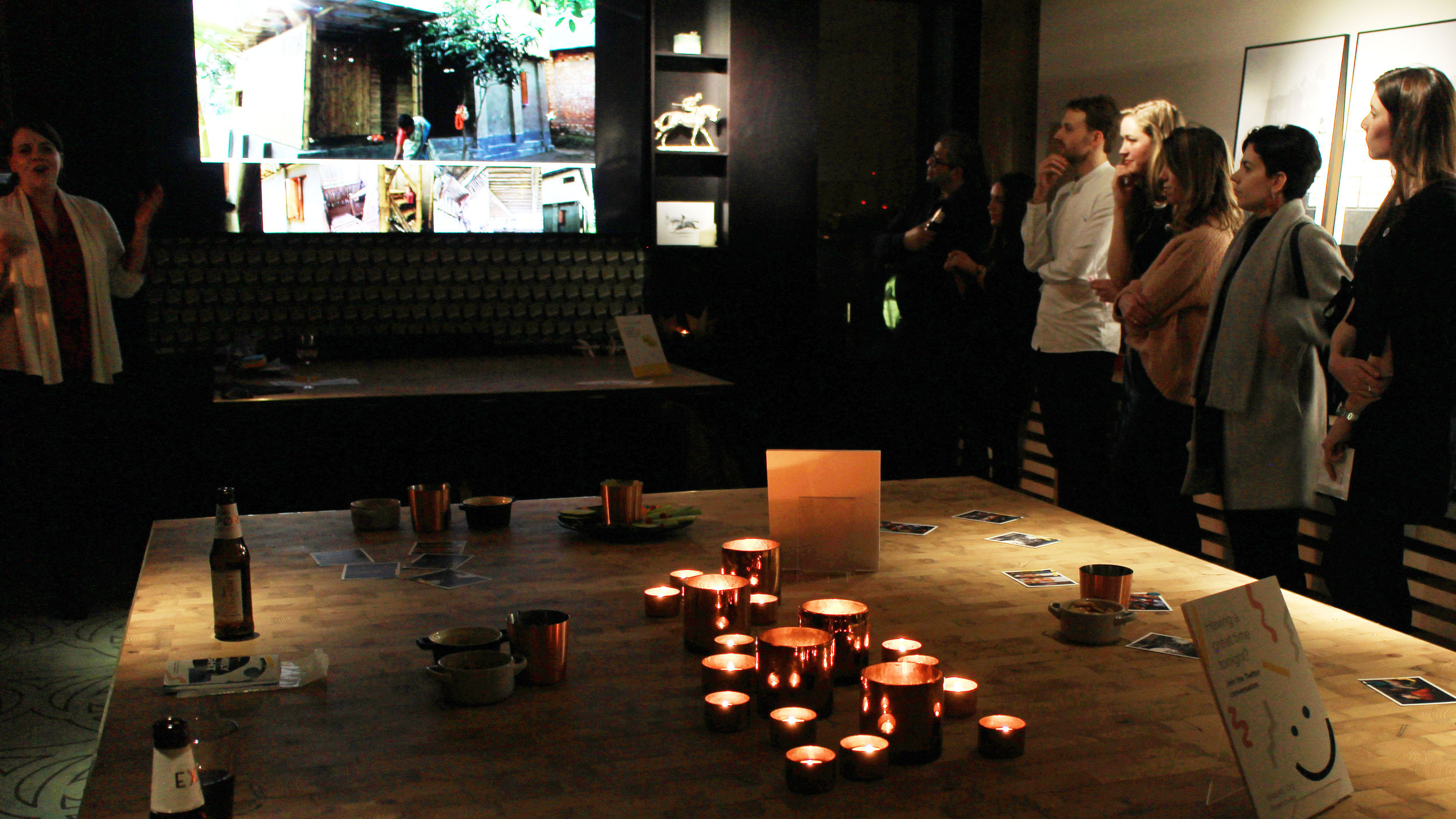
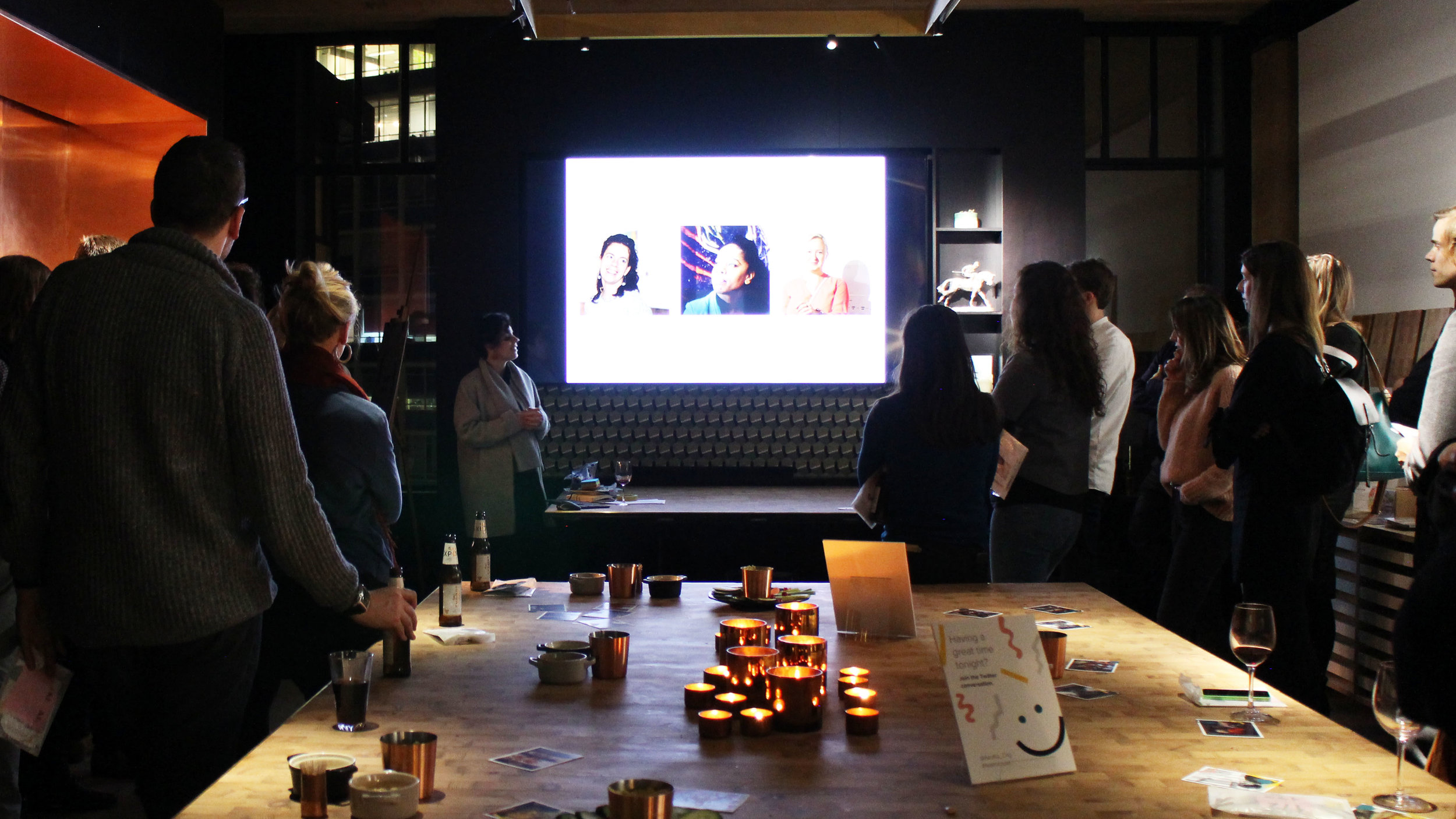
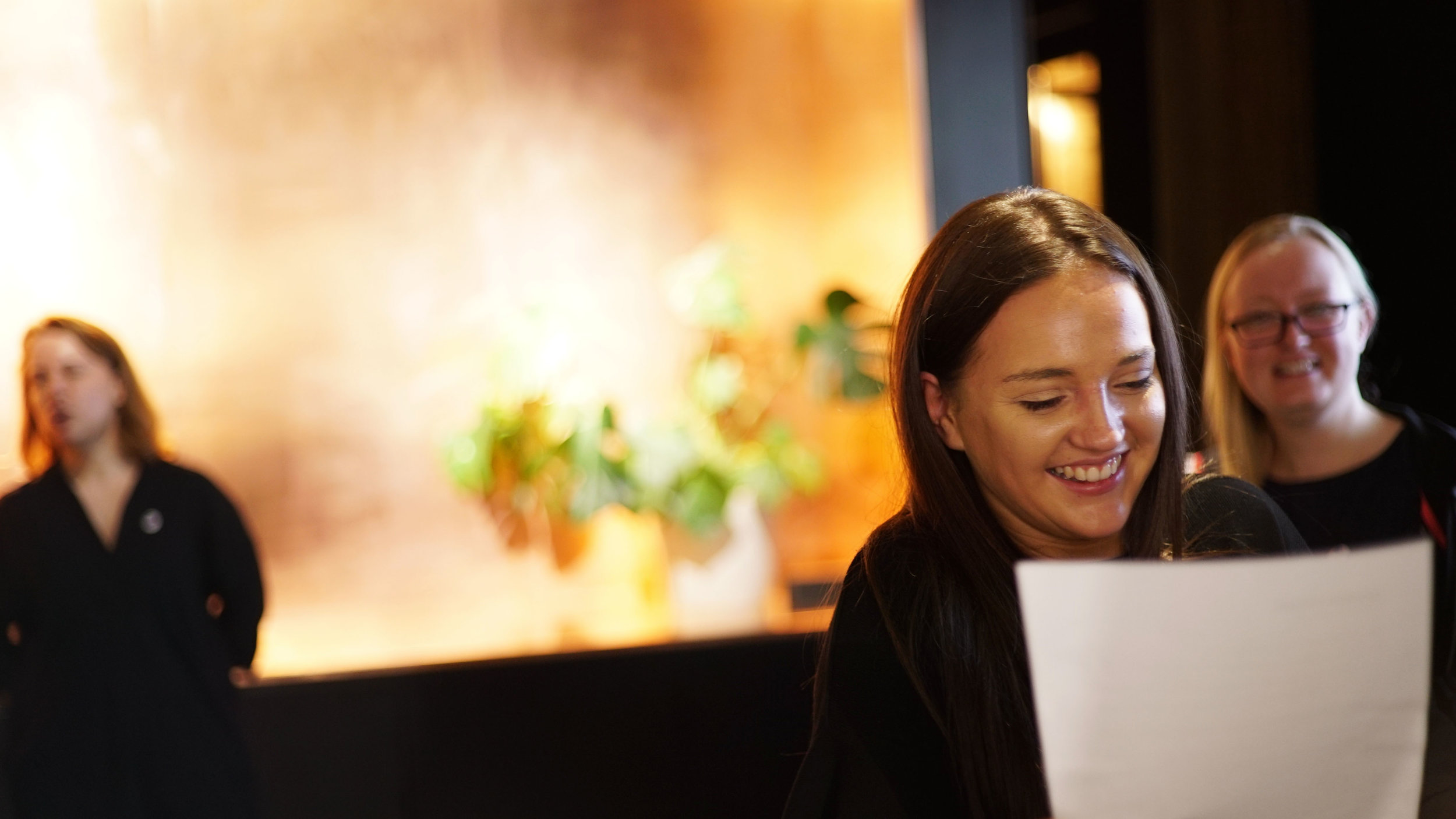
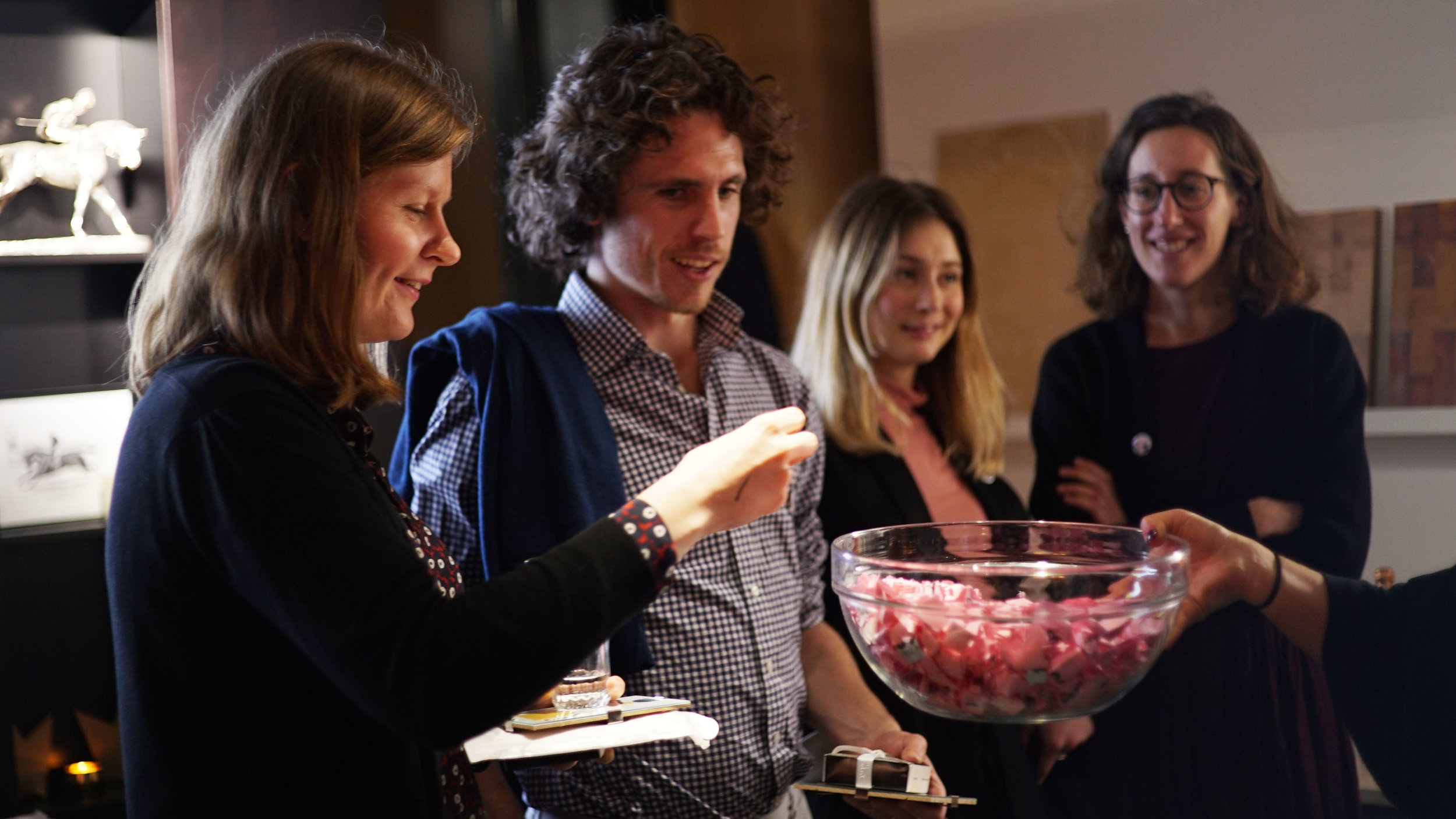
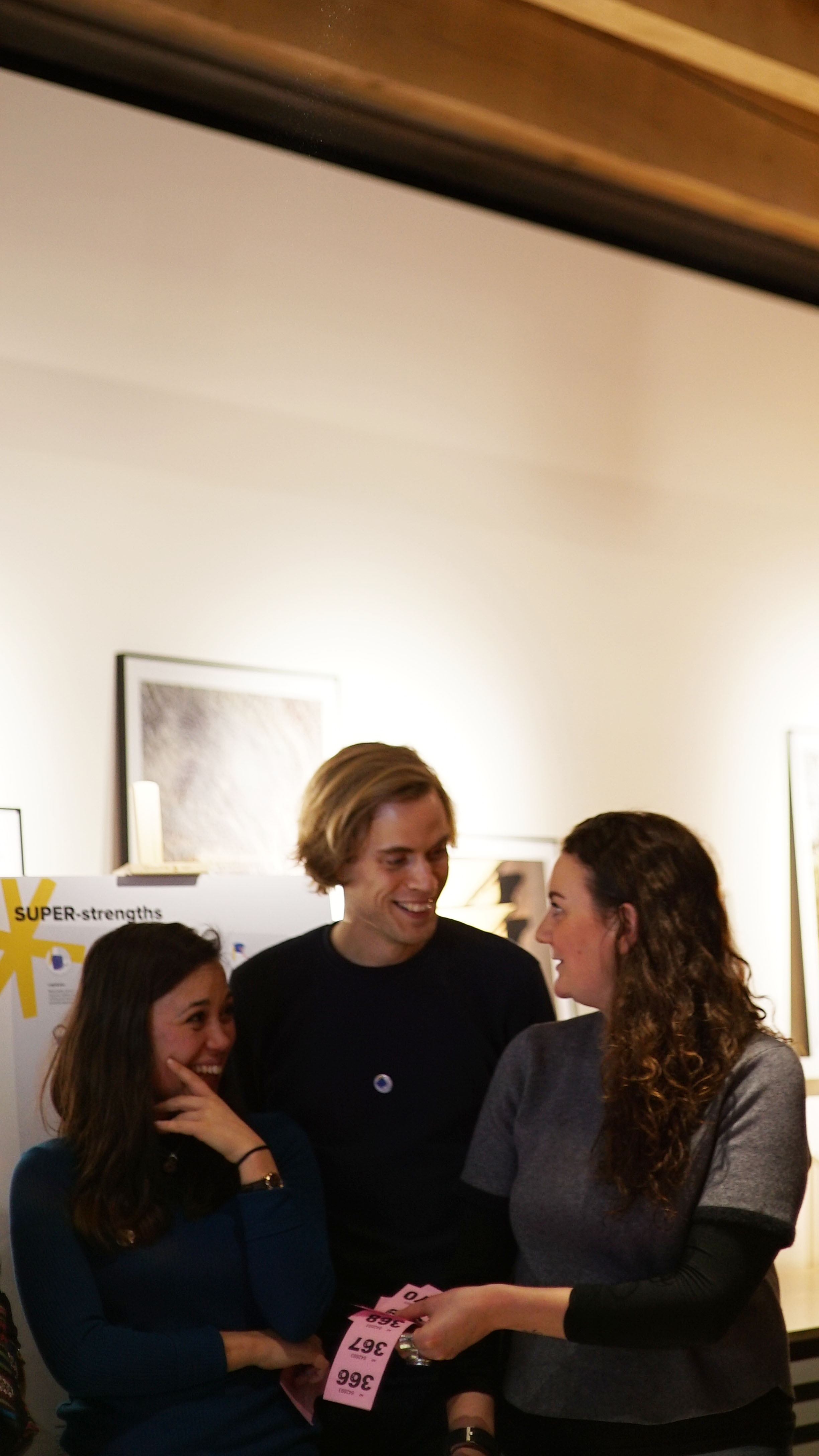
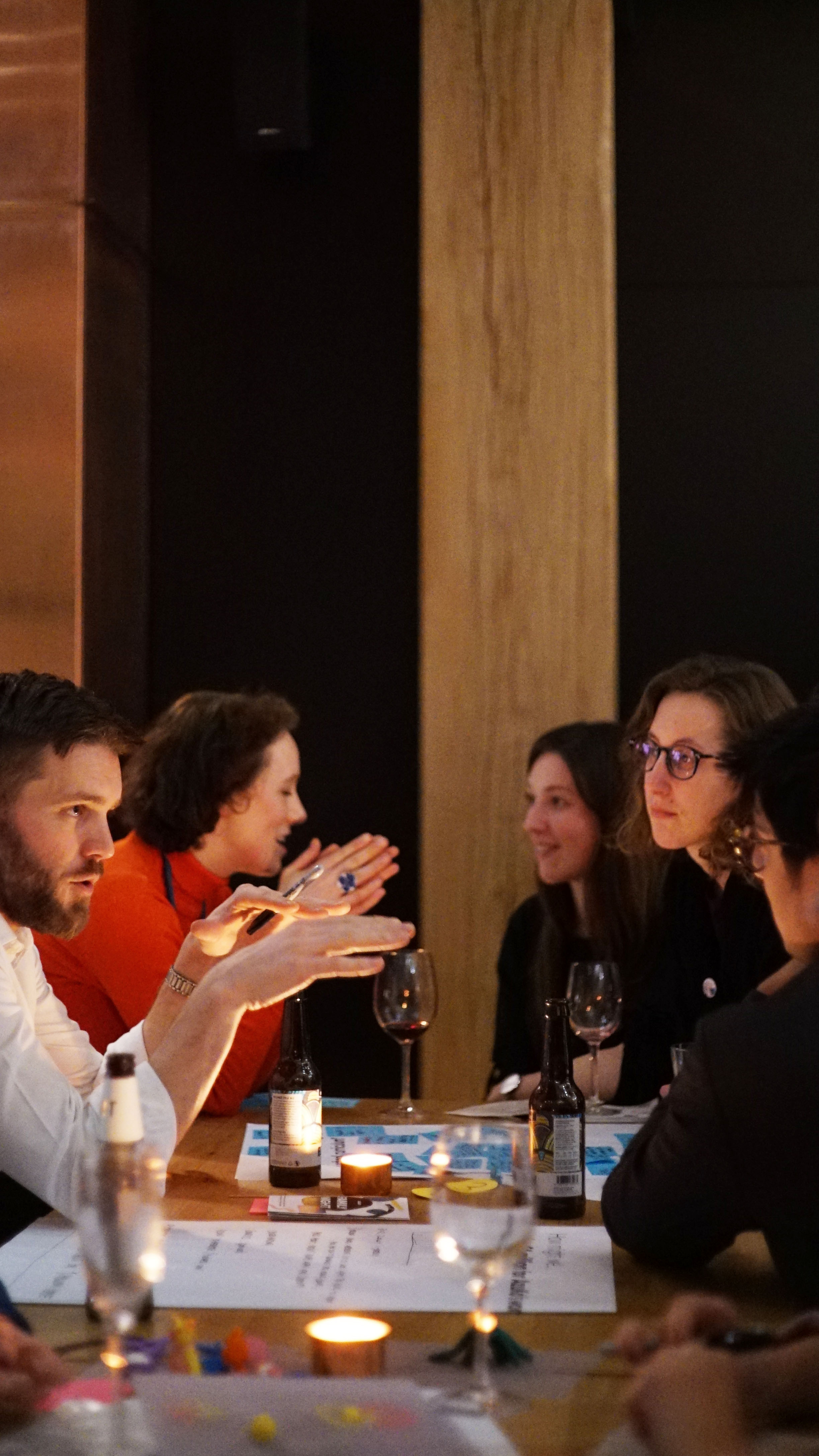
To celebrate our birthday we brought together people who champion our cause. Our AzuKo family. During the evening we shared highlights over the last four years, gave thanks and designed our future, together.


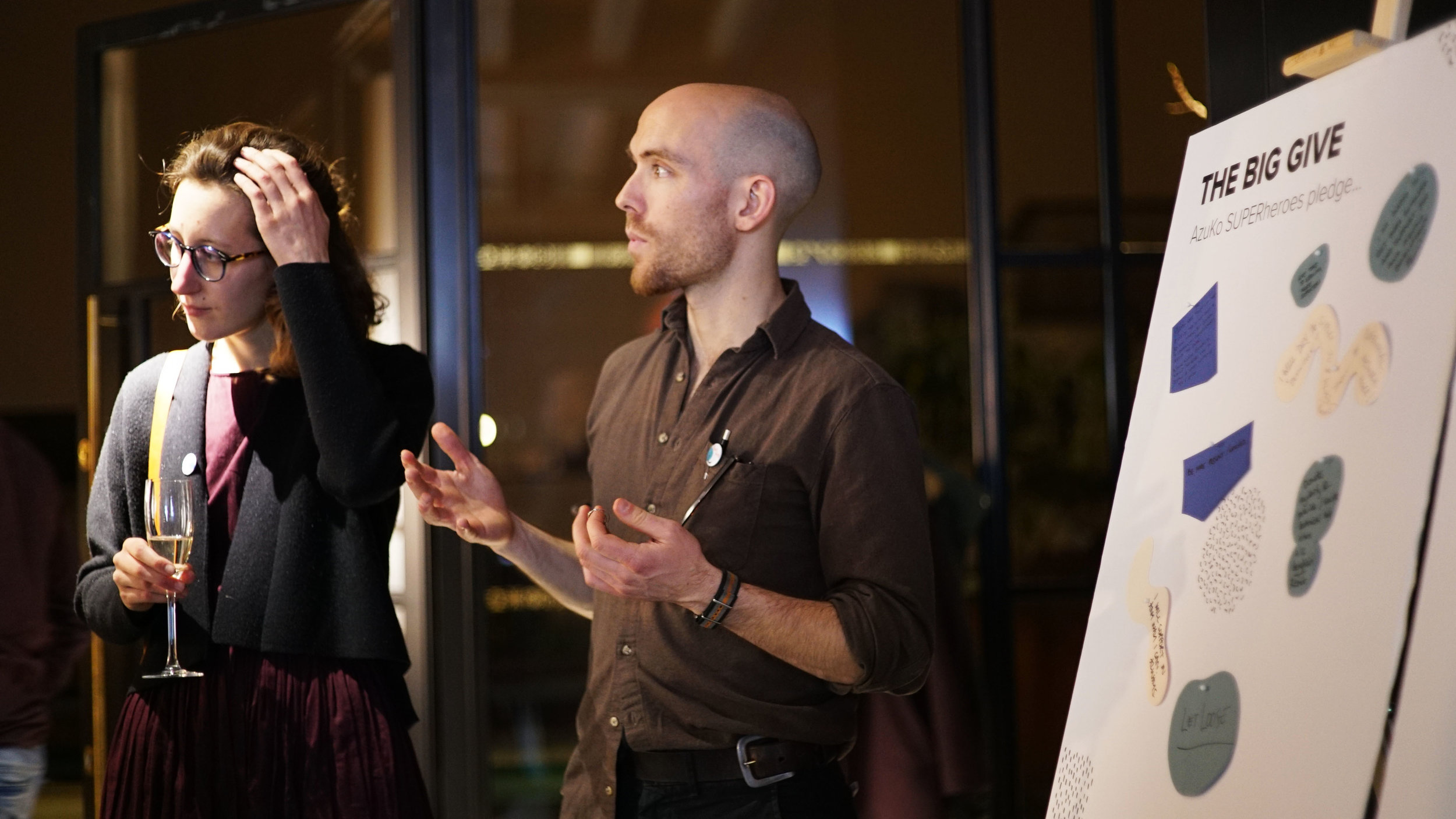
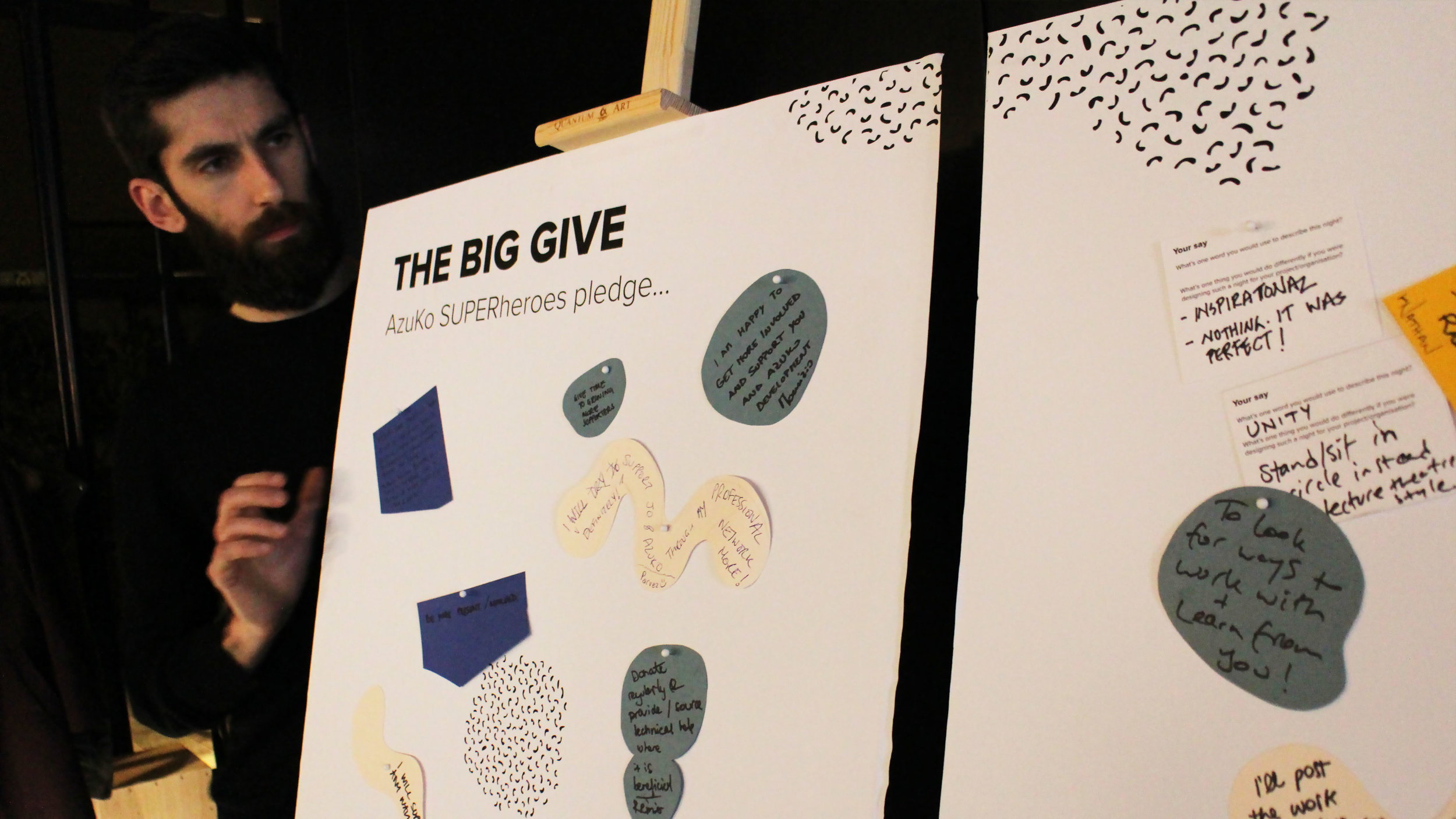
The big give

We asked you to join us and pledge your time, skills, money, resources. Here's two wonderful commitments:

Hannah Davey

Hannah Davey

"I pledge to complete the Nuclear Race with a team championing AzuKo. Helping others who wouldn't have thought it possible to do the course themselves. I pledge to fundraise for AzuKo and get 50% of my supporters to sign up to the AzuKo newsletter."

Margherita Buzzi

Margherita Buzzi

"I'll make something good to eat, and sell it in the office - raising funds for AzuKo's projects."

"I'll post the work I've done with AzuKo on my social media and website to spread the word."


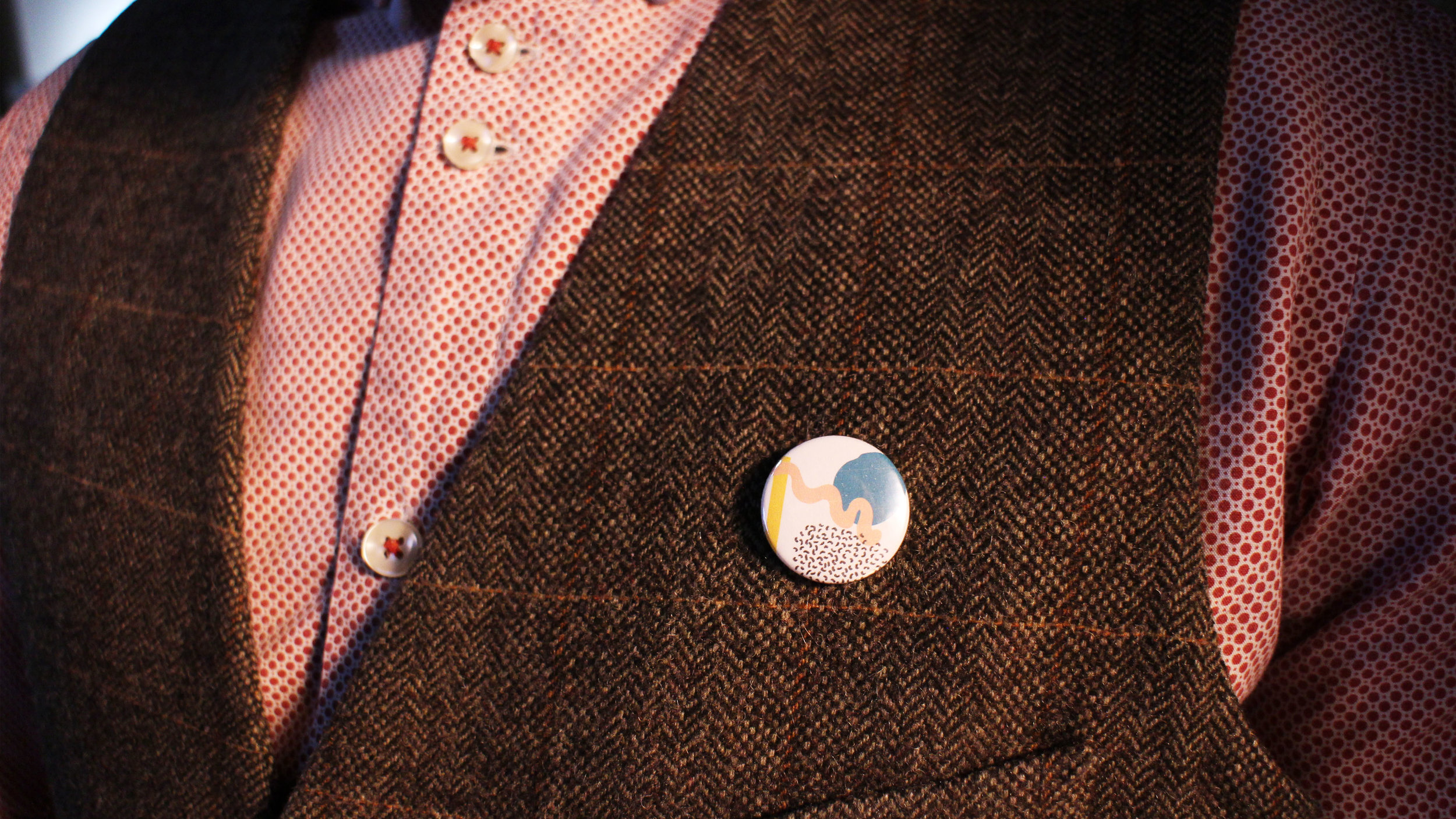
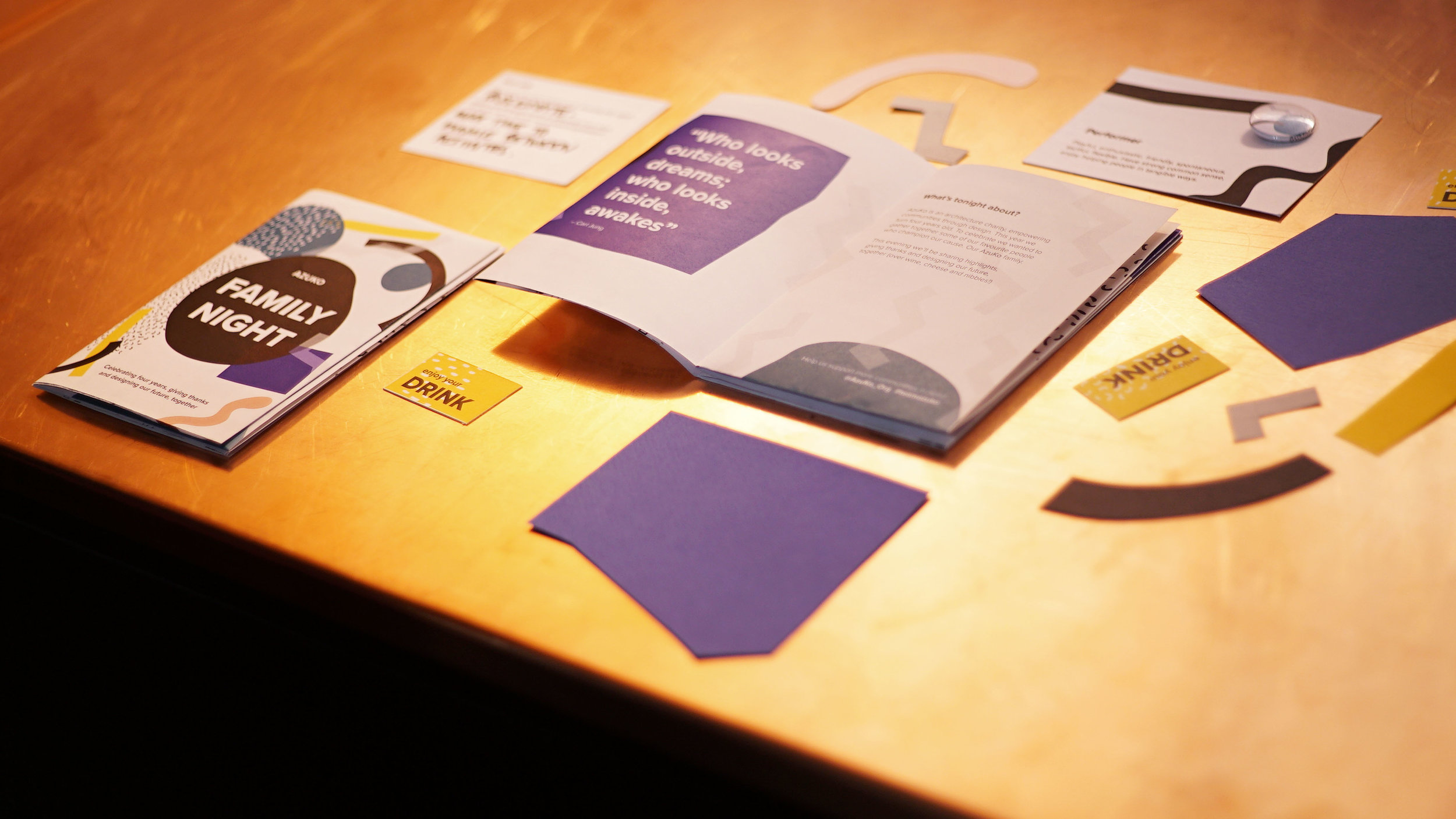
Personalised pins

Your SUPER-strengths

We think our supporters are truly amazing. Let’s fully embrace our strengths, skills and different approaches. Together we can create positive social change.

That's why we created personalised pins for everyone on the night. These archetypes are just a perspective. Take what’s meaningful to you, celebrate what’s true.

Does your type allow you to reimagine what you can give to the world?

*Inspired by Myers-Briggs Type Indicator


Our 2017 SUPERheroes

Congratulations to these amazing individuals for their support in 2017. We salute you.

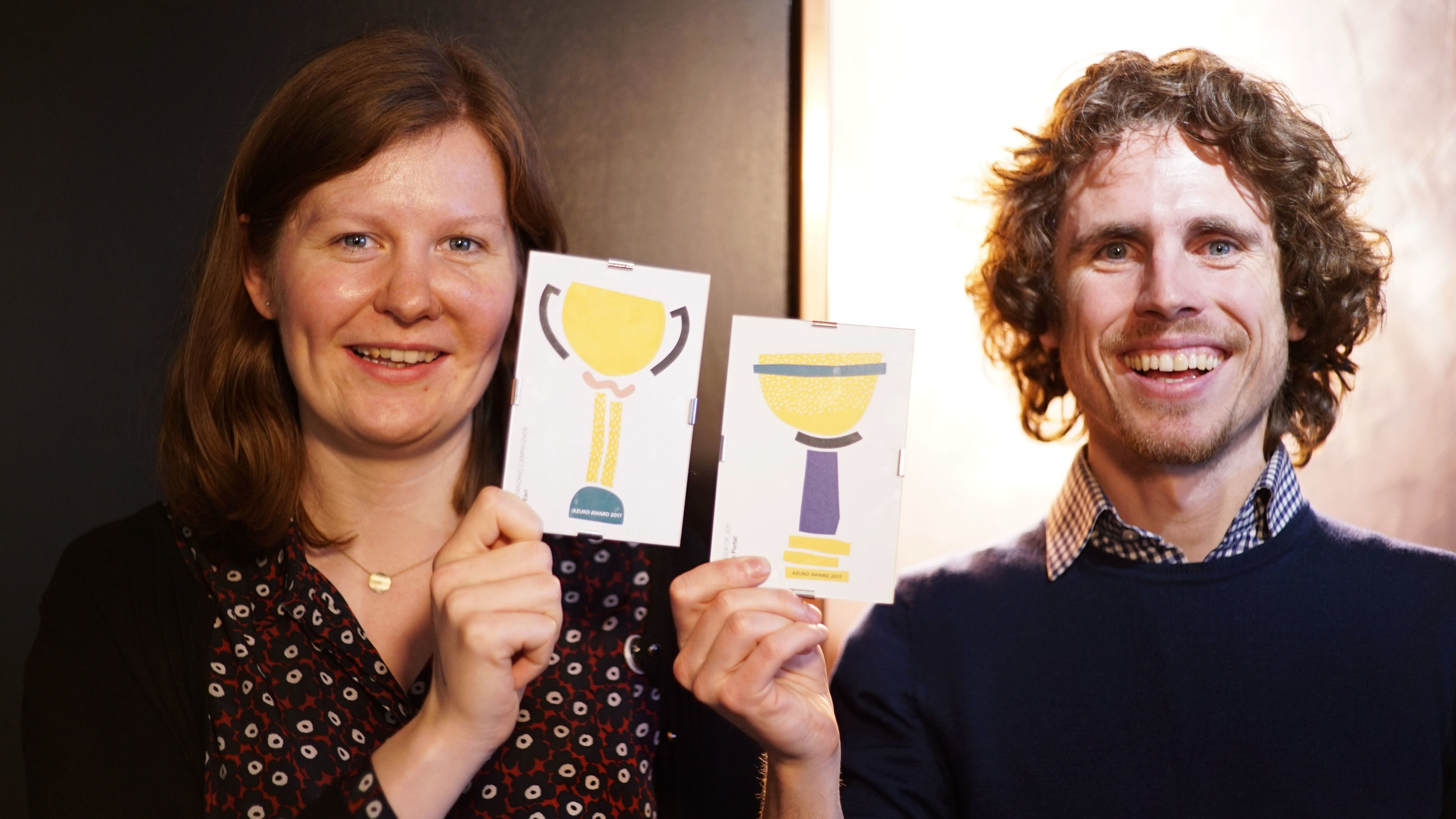
  • Lucie Murray (NLA) - UK SUPERHERO

  • Wang Qianqian (SIDA) - INTERNATIONAL SUPERHERO

  • Si-Joe Portal (Arup) - BRINGER OF JOY

  • Ed Sayce (MTT) - BIGGEST FUNDRAISER

  • Elly Earl (Arup ID) - OUTSTANDING CAMPAIGNER


Donating to create change

The raffle raised over £300, which will go to our work with JAAGO Foundation to design and build a pilot playspace for an 'online' school in rural Bangladesh.


‘magical’ ‘friendly’ ‘inspirational’ ‘unity’ ‘passionate’ ‘welcoming’ ‘warm’
— one word to describe the night

Solving wicked problems

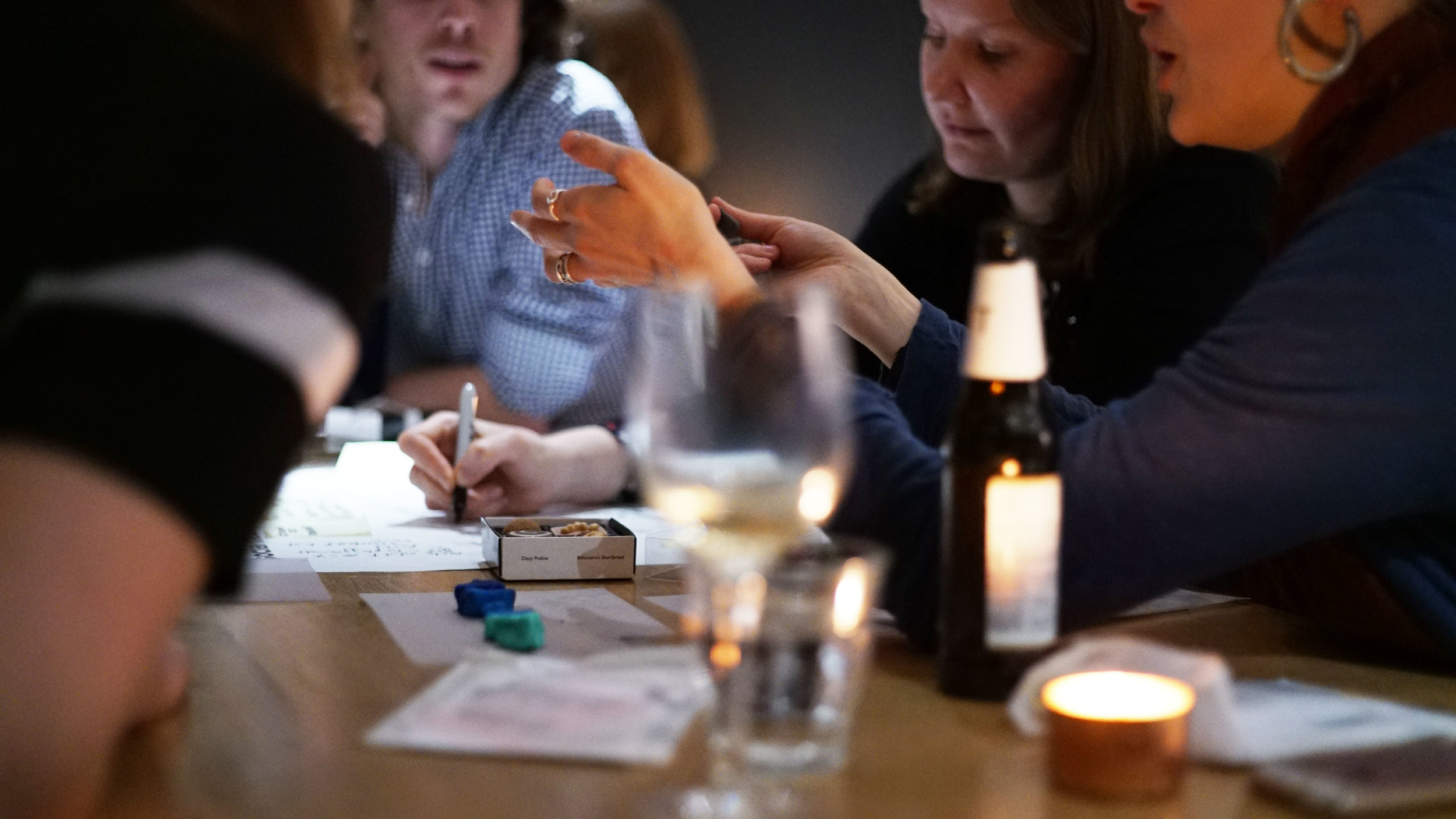
One of our favourite parts of the evening was the 'wicked problems' brainstorm - "How might we..." You imagined fantastic possibilities for AzuKo.

We'd like to explore how to achieve them, so we're hosting a meetup to continue the brainstorm. You're all invited.

  • Wednesday, 18 April

  • 6.30pm - 8.30pm

  • Central London

AzuKo_Family_Night_2018 (4).jpg

We'd like to thank everyone who helped us put on our birthday event. A few key players:

DONORS: Upstairs @ The Department Store / Squire & Partners / Ryder / New London Architecture / Native North / Rio Cinema / Neal's Yard Remedies / Beth Ashbridge / Phill Wilson-Perkin. VOLUNTEERS: Justin Brown / Margherita Buzzi / Hannah Davey / Adam Fryett / Joao Leal / Ronnie McGibbon / Claire Moody

Here's to next year's celebration!