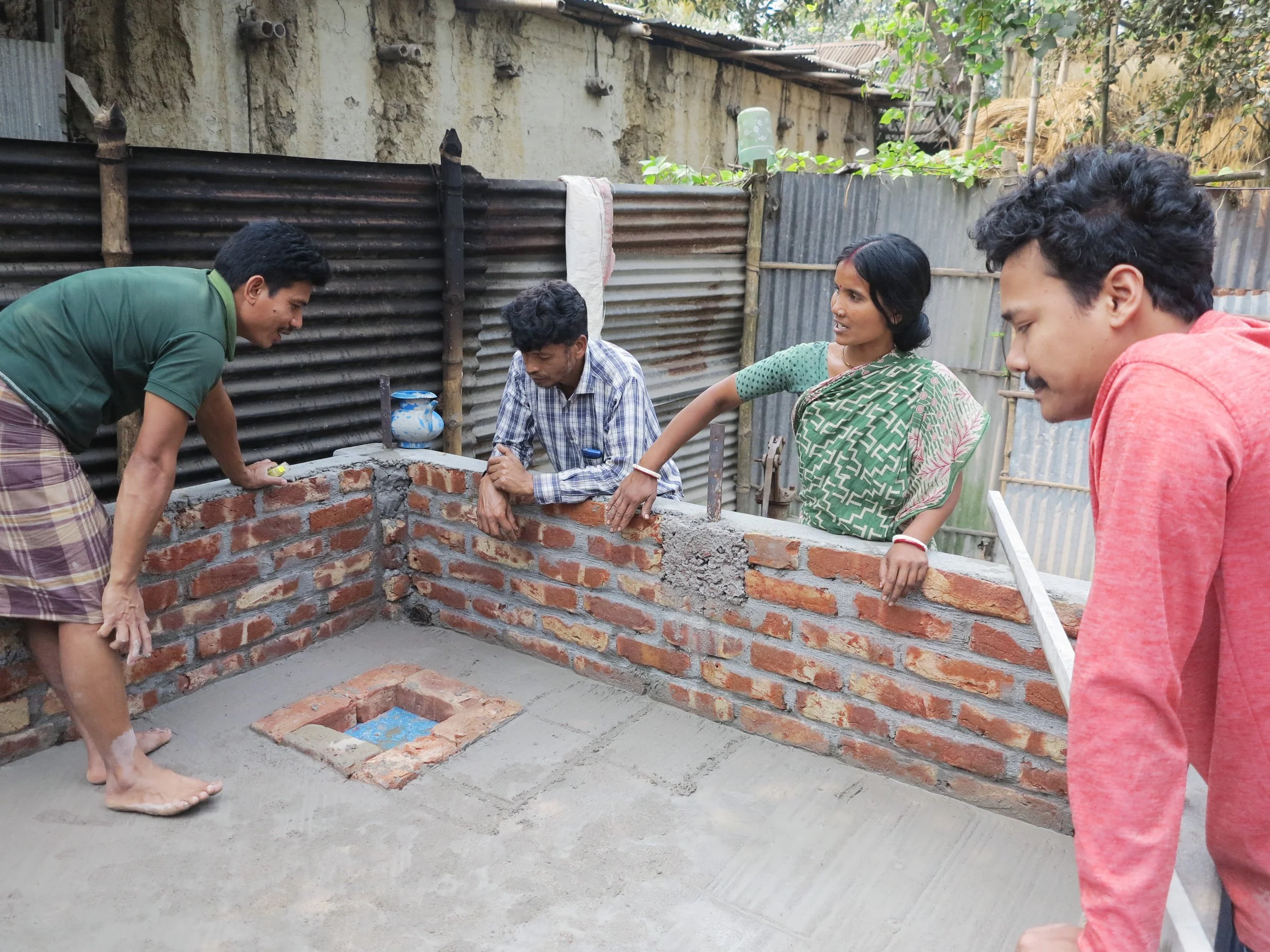
Outreach

A woman's place...

A woman’s place is in the home.

Over 2,500 years ago, a Greek playwright wrote much the same. For centuries, this idea has been used to keep women small, quiet, dependent, unseen.

“Let women stay at home and hold their peace”
— Aeschylus, Seven Against Thebes, 467 B.C.

We’re launching a campaign that says otherwise.

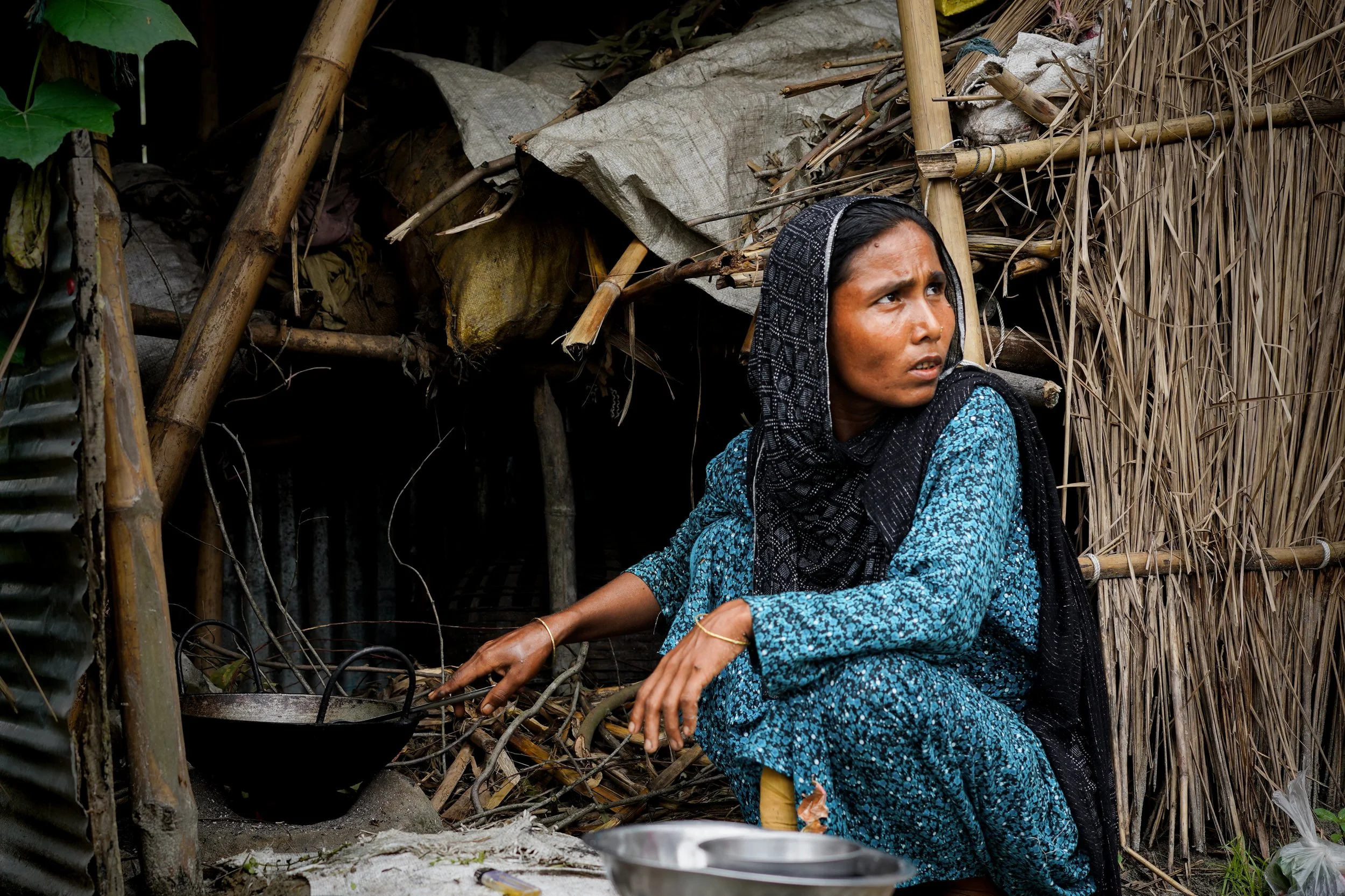
Meet Amena. In 2017, floods destroyed her home in rural Bangladesh. Four years later, her husband died. He was the sole income earner. To survive, she sold her belongings, her animals, her land.

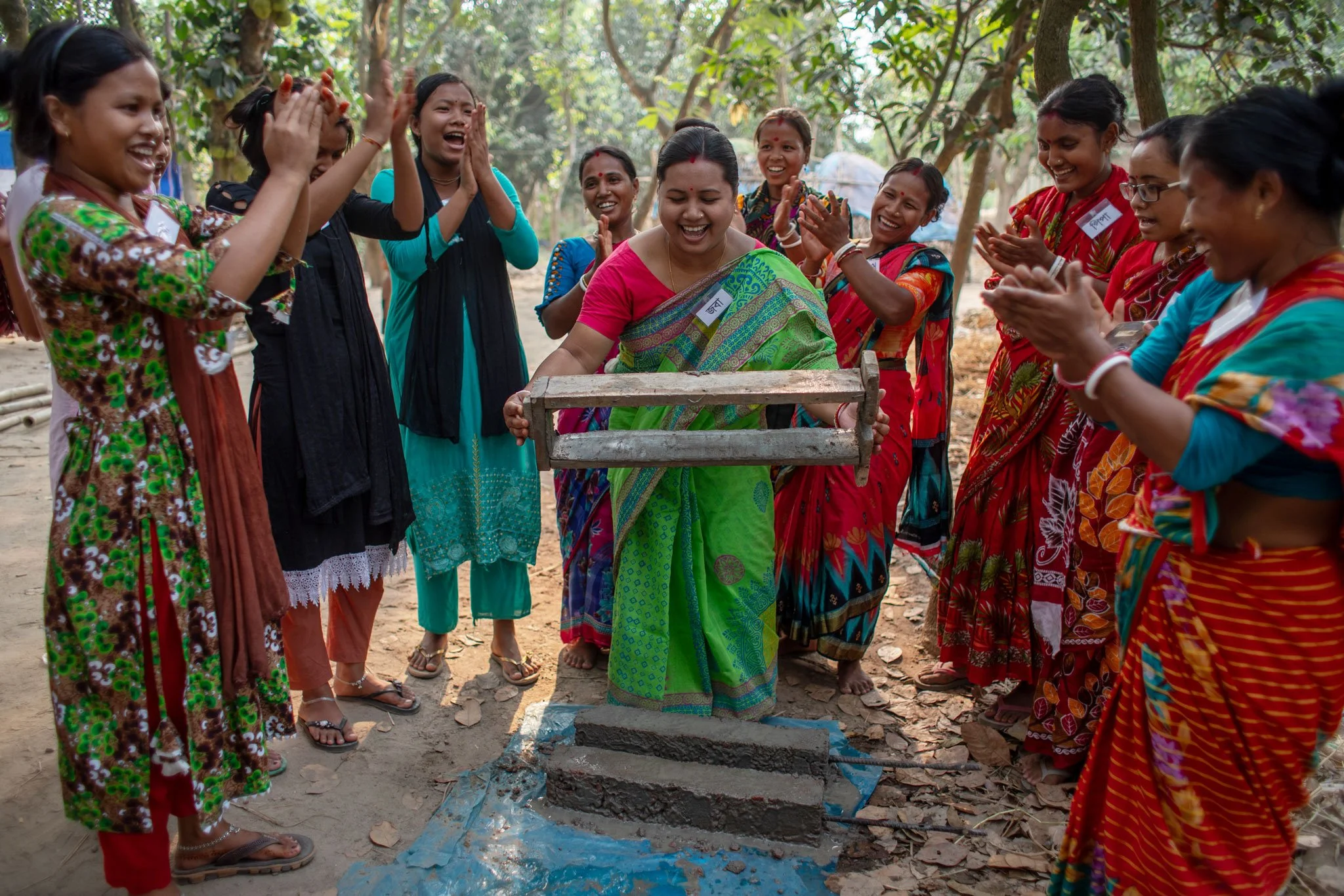
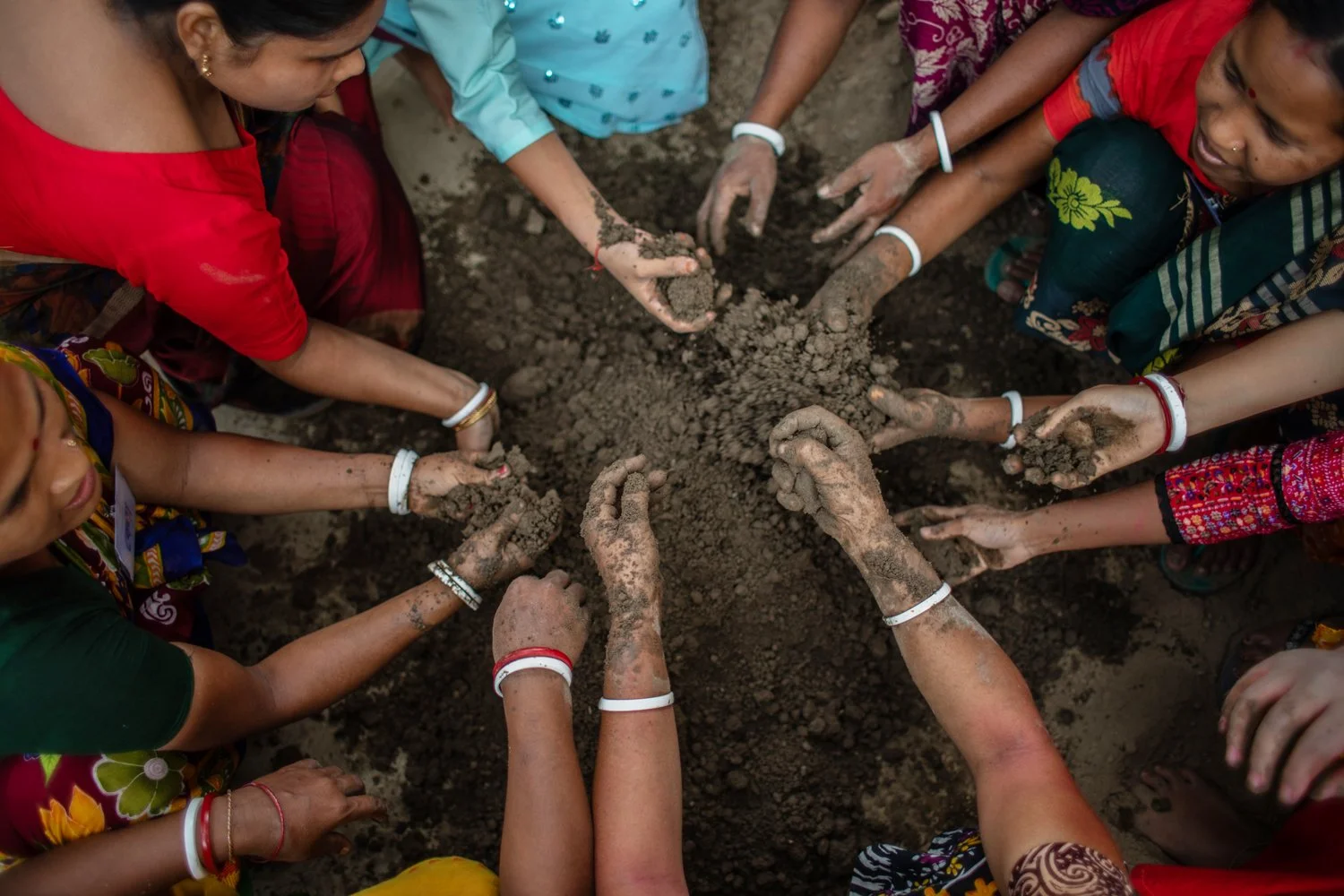
You might say she lost everything. Amena didn’t see it that way. She joined our construction training course and learned to build. She joined a women’s savings group and, for the first time in her life, could borrow on fair terms.
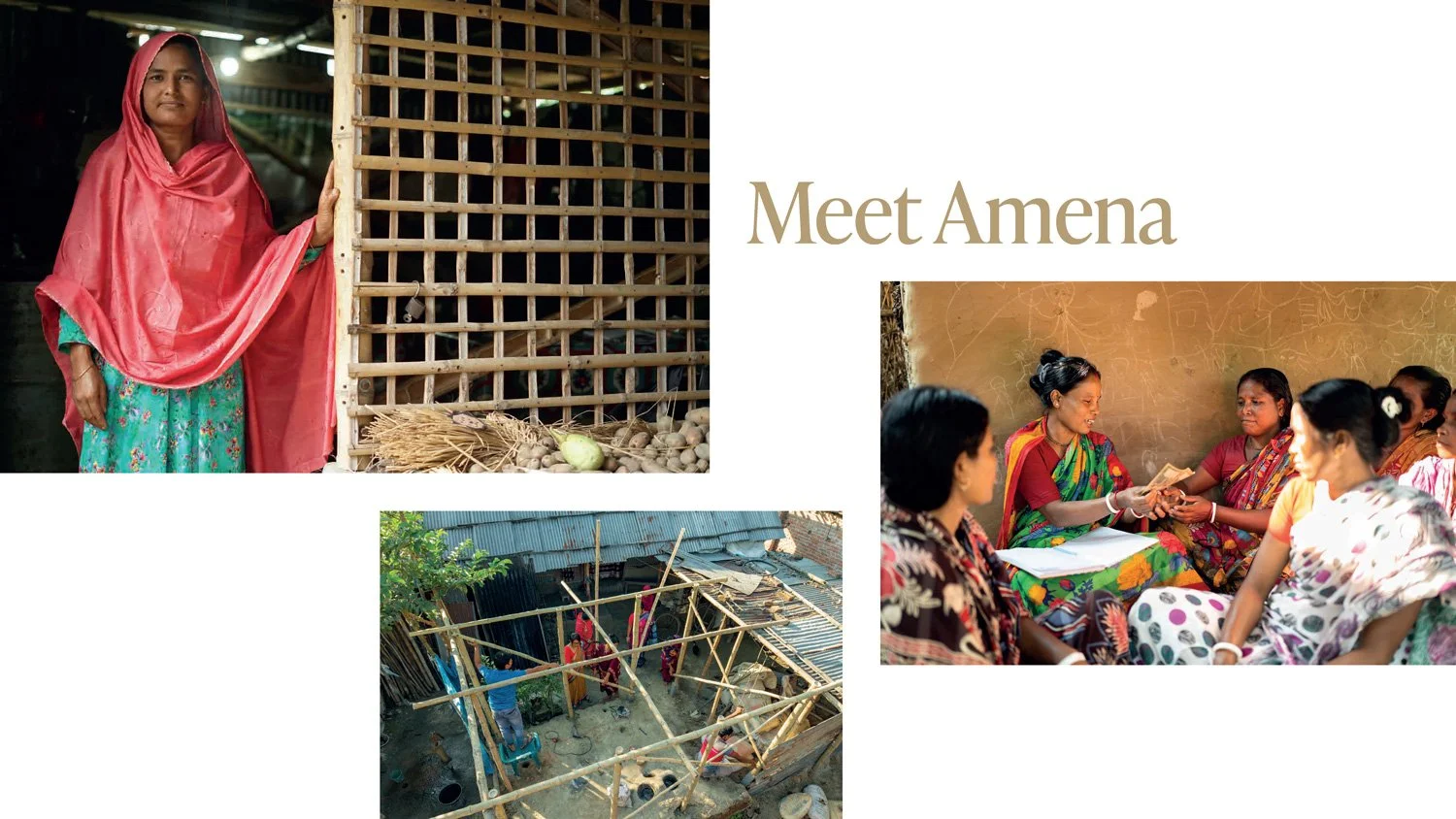
Amena's journey

Today, she’s building her own home, with her own hands. Including a clean, healthy kitchen which no longer fills with thick black smoke. In Amena’s words…

“I learned if I have to do something, I can stand by myself. I just need the opportunity.”

That’s a Homemaker.

Not a woman confined to her home, but one who designs, finances and builds it. And Amena isn’t alone. Across Bangladesh, and the UK, women are doing exactly this.

We’re AzuKo, a housing charity. And we’re launching The Homemakers – a five-year campaign led by these women, across both countries. It funds construction training, housing advice, fair finance and the building of safer homes. And puts women in front of the camera, telling their own stories, on their own terms.
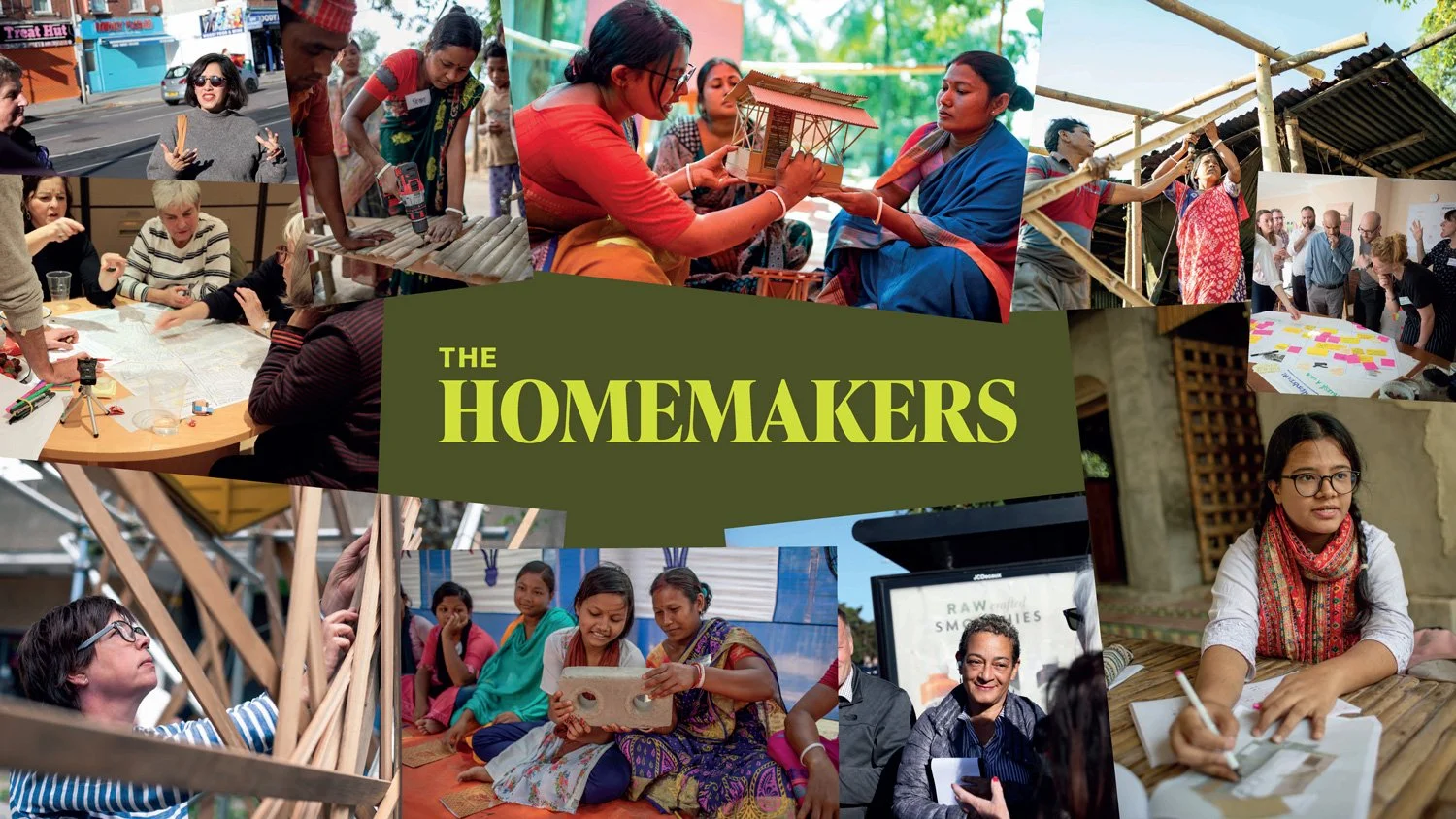
The Homemakers campaign

£87 supports one woman in Bangladesh to access construction training… the first step on a pathway out of poverty. We’re aiming to train 5,000 by 2030.

You can…

  • Build women’s knowledge, skills, and confidence in construction.

  • Build safe, decent homes.

  • Break down gendered stereotypes, and the barriers that deny women their housing, property and land rights.

For centuries, women have been told their place is in the home. We say…

A woman’s place is wherever she builds it
 

Rubi's story

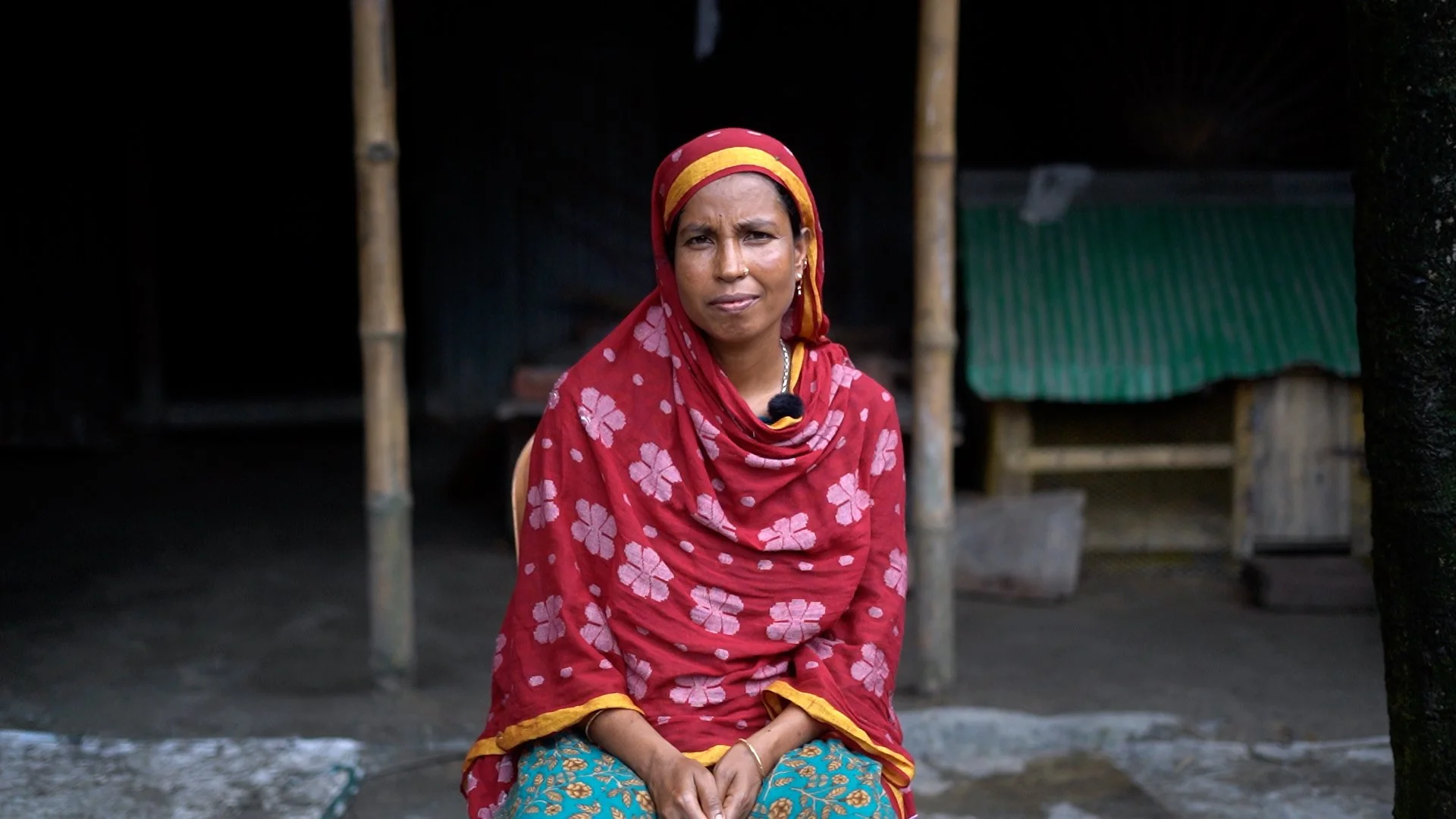
Rubi arrived in Dinajpur following the Liberation War in 1971. She married at the age of 13 and experienced nine years of married life, before she became a widow. Soon after, she felt under pressure to remarry and fled her home in Gaibanda. 

Life was tough raising two children as a single parent, however Rubi turned her hand to many things to put food on the table - working at the local rice mill factory, as a day labourer in construction and selling bangles door-to-door. As a woman in a man's worlds, she frequently received indecent verbal abuse from male co-workers.

“It was particularly difficult during the rainy season, as there was not enough work available. Some days we would have no food to eat, other days we would share a small plate of vegetables.

I never gave up the fight... my children inspired me to keep going.”

Rubi has been resident of Jogen Babu Maath slum for 14 years, after hearing the government was providing land for the extreme poor. She now lives with her son and his wife, her daughter and grandson in a two storey bamboo and earth house which was built during phase 1 of the JBM upgrading project. She contributes to the household income by rolling poppadoms every day.

Although JBM has come a long way since 2010, with tree planting initiatives and building for safety training workshops, Rubi believes more needs to be done to improve lives. It's dense, unhygienic and they are experiencing ongoing difficulties with drainage and sanitation.

“Some people refer to JBM as ‘kauya para’ (crow hamlet) as people are often quarrelling.”
(Photo: E. Upoma)

(Photo: E. Upoma)

Rubi has big dreams for the community. She wants all her neighbours to live in a two storey house, so that they can have more space to breathe. She dreams of cleaner streets, improved education for the new generation, and increased employment opportunities so that people can better their own lives.

Inspired by Rubi’s story and want to improve living conditions for women and their families? Donate today.


Author: A. Roy

EVENT: Designing Differently

We hosted an evening of inspirational talks from women who are designing differently. Women combining design and another discipline, or using design to create social and environmental impact, or changing the design landscape for future generations.

At this International Women’s Day event we wanted to challenge stereotypes, broaden perceptions and celebrate women's achievements.

“It really struck a chord... finding ways to relate built and natural environments in mutually life-improving ways. A dream world to aspire to!”
— Jenny

Speakers:

We drove discussions about the role of designers in a changing world, the importance of equality and diversity in the sector, and how women are challenging the status quo. We asked the audience, “what resonates with you?” This is what you told us:

What resonated with you?
AzuKo Designing Differently event (10).jpg

Towards the end of the evening we invited everyone to make a pledge by choosing one women in your network to champion, and what action you will take to do so.

You were inspired by your female colleagues, mothers, relatives and leaders in your field. These women stood out to you for their bravery, creativity, passions and impact. Here are just a few of your pledges:

Tomorrow, I will…

  • thank her in a public arena for the work she has done.

  • visit her at least once a month and help her with my niece and nephew.

  • share with colleagues my admiration for her leadership.

  • say thank you.

  • post about her on social media and promote the amazing work she does.

  • ensure she has a voice in the national design event I’m organising.

  • ask her what life was like.

“Thank you for organising the event... I left with a full heart.
”
— Maria

We’d like to thank our speakers, volunteers and attendees. Please share with us your pledge, and how you will help forge a gender equal world: