AzuKo

Shared vision – interview with Apu Roy

We know that investing in local expertise is the best way to create long term impact. We partner with organisations that share our vision and contribute a wealth of local knowledge. We sat down with Apu Roy, from Nirapod Bangladesh Songstha, to find out more about what makes him tick, what drives the organisation and why we are the perfect fit.

  • Tell us a little bit about yourself...

I'm the Project Manager of Nirapod Bangladesh Songstha. We're a small shelter organisation based in Sundarban, a rural village in northwest Bangladesh. I've worked in development for many years, originally as a health worker at Chetonar Dak, a nonprofit that focuses on health and education across the union. We provided ante-natal checkups and post-natal care to underserved areas.

At that time we had to go door to door, as there was little awareness of health and nutrition essentials.

I've been with Nirapod Bangladesh Songstha since it began in 2008, first as part of the construction team and then moving into a full time position managing projects. I'm currently working with AzuKo, leading a range of different projects from slum upgrading to water, sanitation and hygiene works.

(Photo: SAFE)

(Photo: SAFE)

  • When you're not working at Nirapod Bangladesh Songstha, what are you doing?

Many things! I work in our family's fields growing vegetables and rice, and looking after a few animals. I'm a father too - my daughter Totini keeps me on my toes.

  • What are your roles and responsibilities?

We're a small team, so share many responsibilities. I focus on project related activities such as facilitating workshops, managing teams, monitoring progress and communicating with everyone involved. I also write funding proposals, help out with budgeting, reporting and general day to day administration.

  • What's your favourite part of the job?

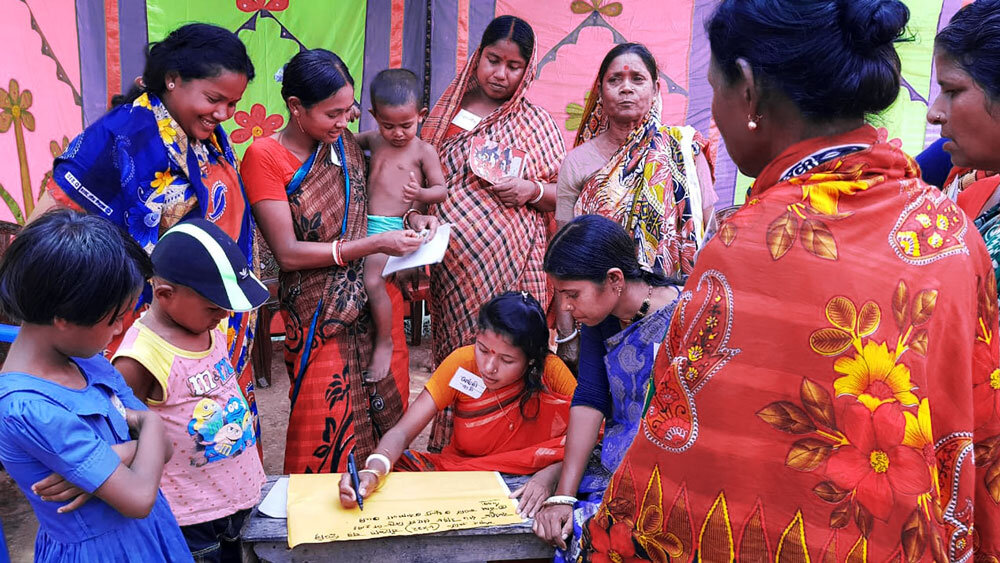
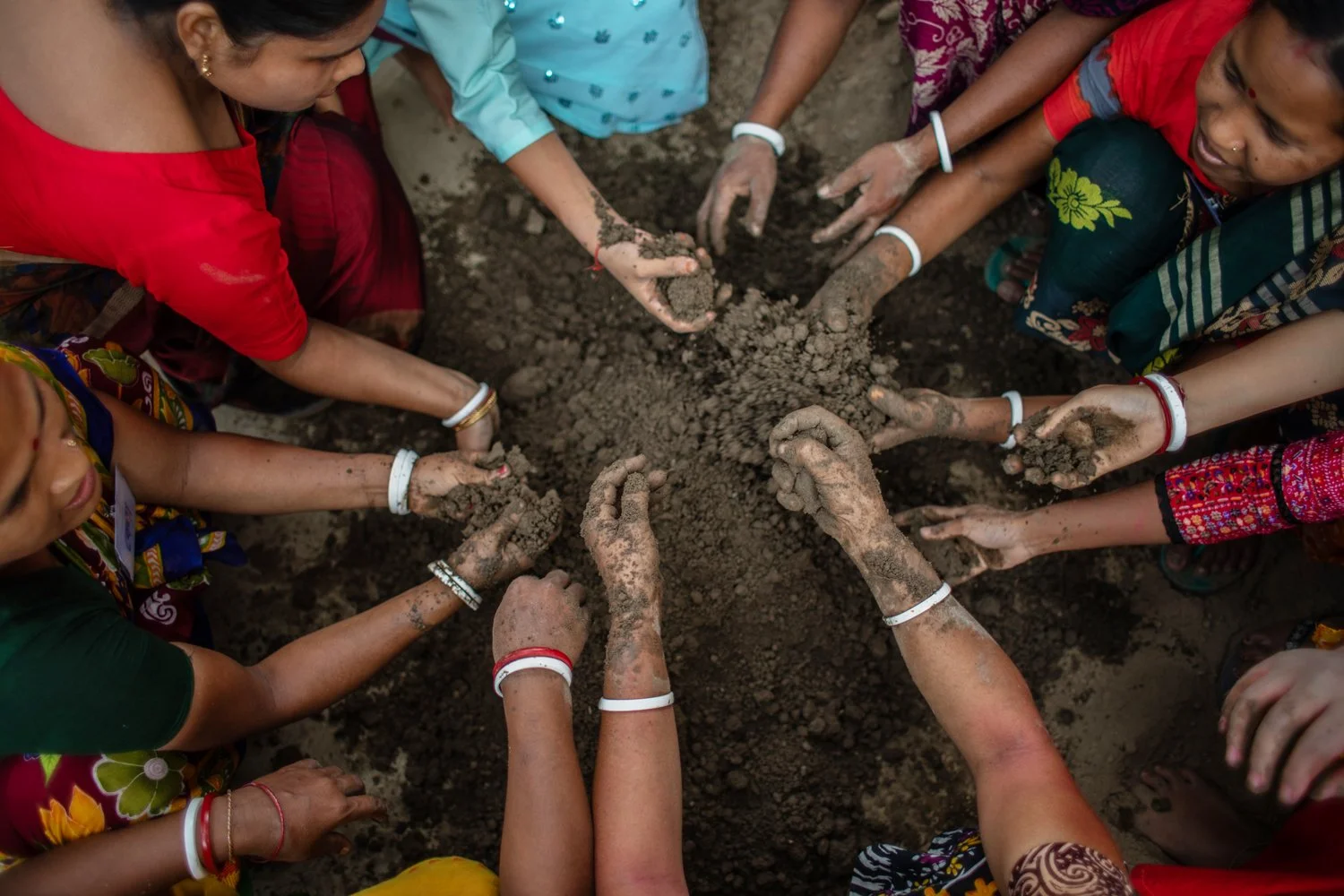
I really enjoy our community workshops and training days. We spread best practice, share ideas and create new solutions. I like learning new things, and undertaking new projects with new communities. Communication is really the key to success.
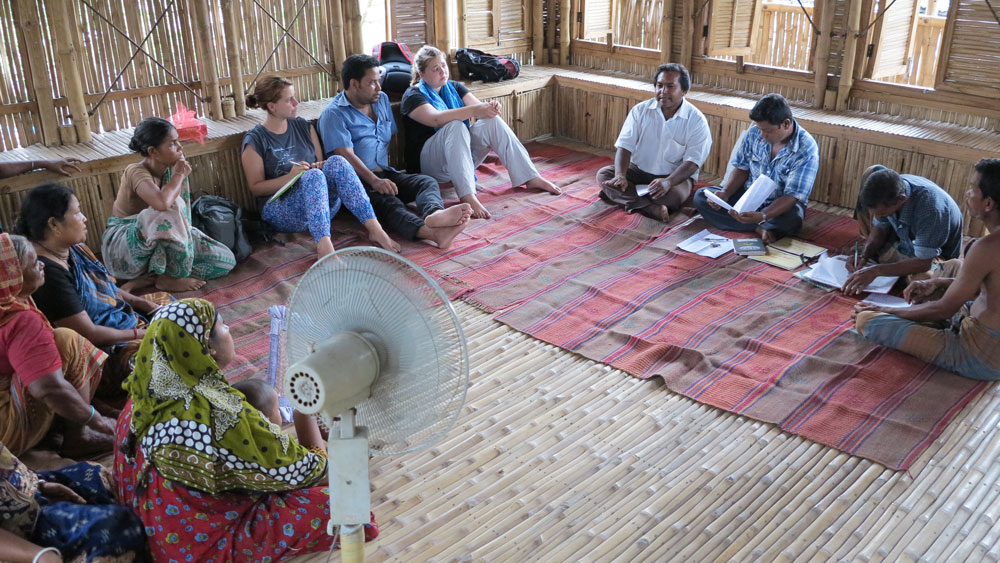
(Photo: A. Parkinson)

(Photo: A. Parkinson)

  • What is Nirapod Bangladesh Songstha's vision?

We want to improve the lives of some of the poorest people across the region. Our focus is on housing, sanitation and infrastructure, as well as promoting environmental initiatives that encourage proper use of the earth's resources. We want to create comfortable, affordable and sustainable solutions. Although we primarily work with disadvantaged families and communities, we are also keen to promote sustainable practices across the whole of society, from eco-housing to tree planting.

Do something good for the environment. Do something good for people who do not have the ability or means to do themselves.
  • What are some of the biggest issues Bangladesh is facing right now?

Population growth and climate change. Both put huge pressure on our cities. During the hot season, it's extremely hot. During the rainy season there's no rain, and when we need it for our crops it doesn't come. Many people who rely on agriculture for their livelihoods are moving to urban areas in search of work. Many are forced to live in informal settlements, which become denser and harder to serve.

Deforestation is also an issue as well as unsustainable practices such as the use of harmful pesticides, increasing reliance on plastics and poor waste management.

  • How does Nirapod Bangladesh Songstha fit in?

We're committed to spreading awareness of best practice, from improved construction techniques to living in harmony with the environment.

  • Do you offer something unique?

There are many organisations and nonprofits in the country that tackle one or more of these issues. Practical Action for example, does some really great work. All our projects have an environmental approach and I think this is what makes us different. Yes, we work with extreme poor, but we also champion sustainable solutions for this group.

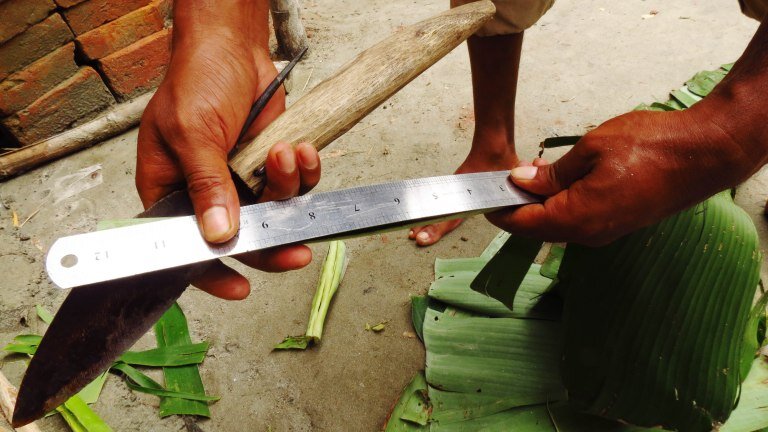
Our expertise in local materials, such as bamboo and compressed stabilised earth blocks (CSEBs), is not commonplace in Bangladesh and many people when they first hear about our techniques are surprised. There is a tendency toward fired brick, concrete, glass and steel...

  • You've worked with AzuKo for many years. Tell us a bit about one of your past projects together...

In 2013, we were asked to join their research project on earthen architecture in areas at risk of flooding. We supported phase 3, which was the design and construction of a prototype house in Nobu para.

(Photo: J. Ashbridge)

(Photo: J. Ashbridge)

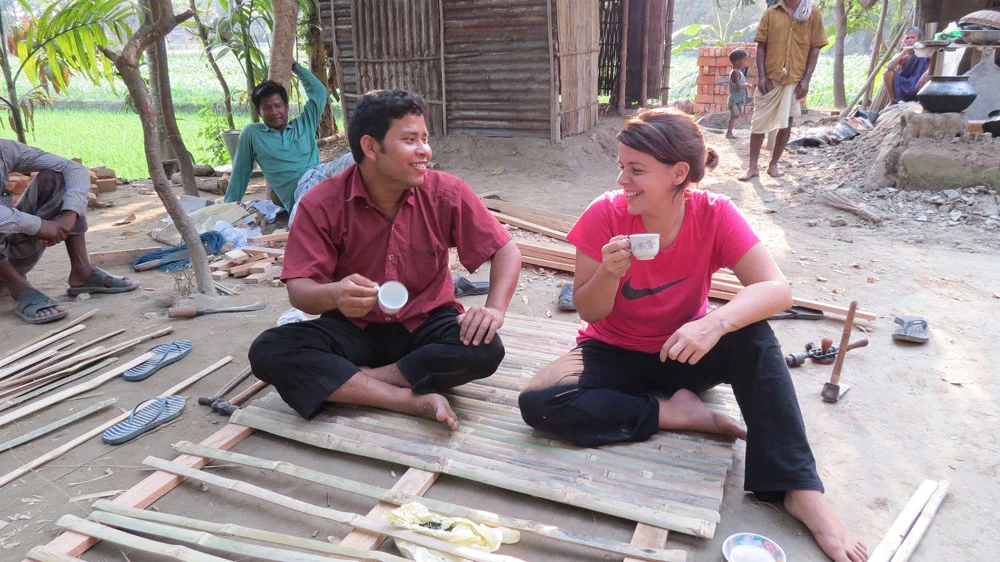
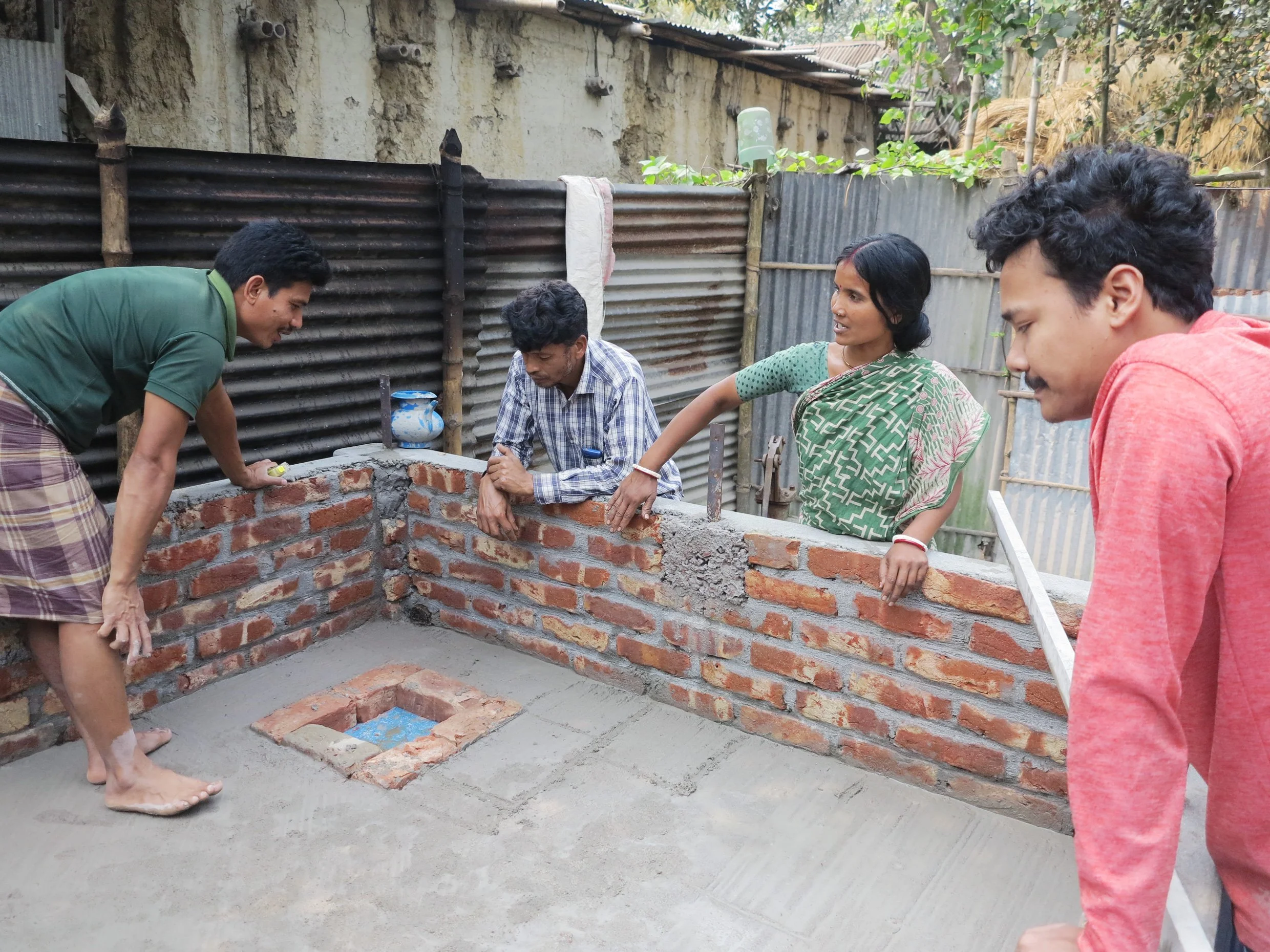
We worked with Jo to undertake a needs and assets assessment within the community, in the participatory design of the dwelling, with logistics, sourcing of materials and construction. This was an extremely exciting project to be involved with, particularly with the level of community engagement and contribution. We had a lot of fun on site too... lots of laughter.

Every day we took tea with the family to discuss issues as a team. Everyone was able to share their thoughts and concerns so that we could solve them together.
(Photo: SAFE)

(Photo: SAFE)

I visited the family recently, they've really settled in and are enjoying the increased space and flexibility. We often showcase this project, and the family are always keen to talk about their experience and show people around.

  • Why do you enjoy working with AzuKo?

AzuKo does our type of work. We share the same vision. Their approach is needed not just in Bangladesh, but all over the world. I hope we can collaborate for a long long time.
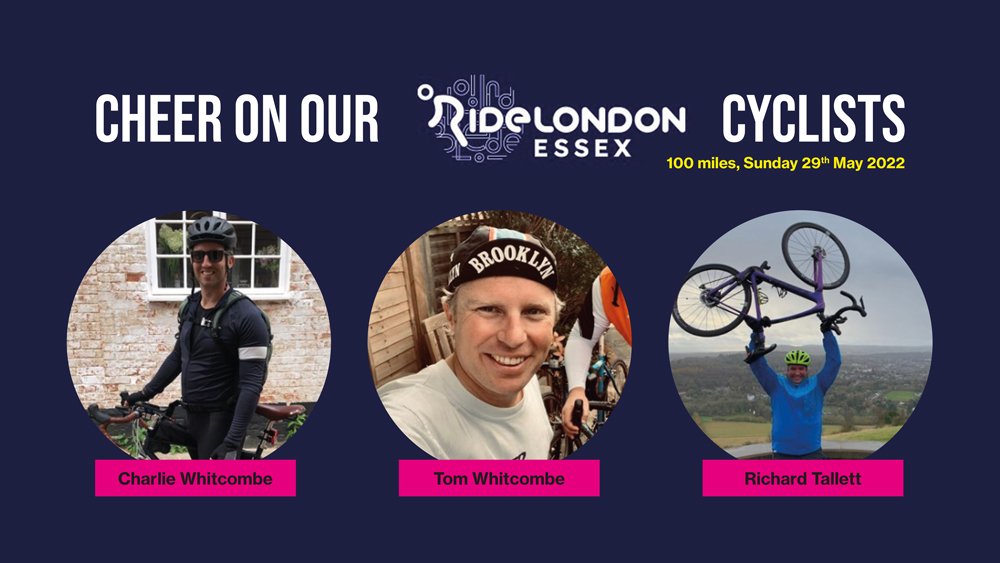
3 brave cyclists take on RideLondon

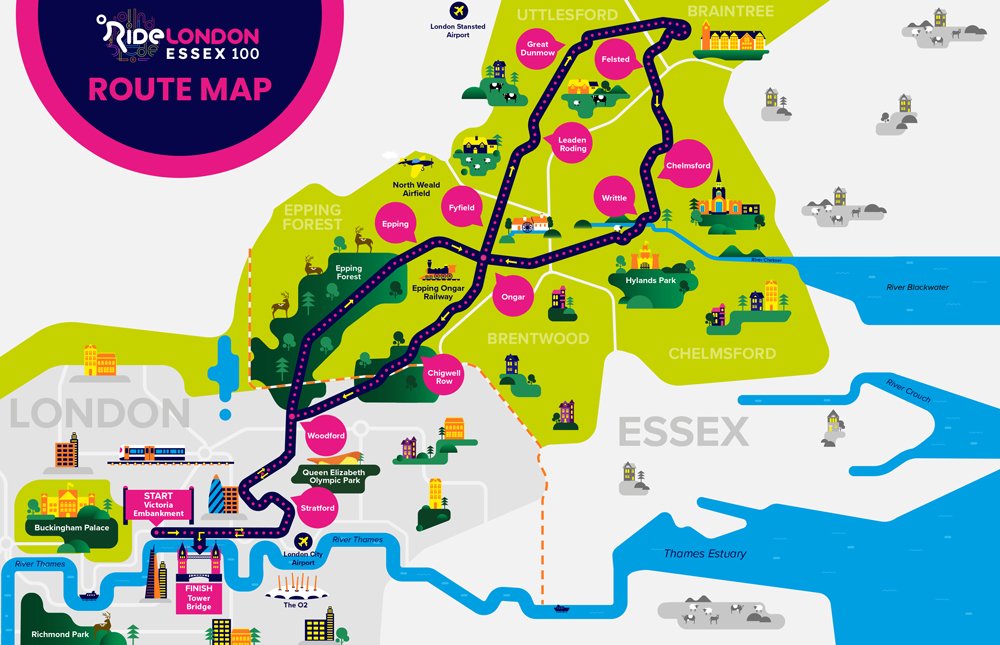
We can’t say enough about our amazing supporters, and the incredible challenges they take on to raise awareness and funds for our work. This month, on 29 May, we have 3 brave cyclists – Richard Tallett, and brothers Tom and Charlie Whitcombe – taking on 100 miles (no, we didn’t write that incorrectly – 100 mammoth miles!) as part of RideLondon.

We caught up with them to hear how their training is going and what inspired them to raise the roof with Team AzuKo.

Why have you chosen to support AzuKo?

(Richard) AzuKo’s mission and ethos really struck a chord with me – it’s such a novel concept – plus I hope that by taking part I can also do my bit to help raise the profile of a smaller charity.

(Tom) One of my oldest friends Beth introduced me to AzuKo. It’s a fantastic charity doing incredible work around the world.

I’m really interested in the unique nature of AzuKo’s work. Using expertise and experience to turnaround a family’s prospects and quality of life for the long term. I’m excited to represent them on the day and spread the word about what AzuKo stands for.
— Charlie

What motivated you to take part in RideLondon?

This will be the first time I’ve ever taken part in anything like this, so the motivation was a combination of things: a great opportunity to raise some money for charity, the sense of personal achievement in completing a challenge such as this and the persuasive powers of a WhatsApp group.
— Richard

(Tom) I’m turning 40 this year and needed a serious challenge!

(Charlie) It’s been on my bucket list of physical challenges ever since I moved to London. I don’t know that area of London very well, but what better way to experience it than on a bike in the spring sunshine. All whilst raising money for a very worthy cause. The team aspect will also no doubt help us around the course and add to the memories.


Which part of the route are you most excited for?

(Richard) The last few miles coming back into central London. I live quite close to the route so know it well and will be looking forward to that home stretch feeling kicking in.

(Tom) Setting off at the beginning and winding our way out of London, towards the Essex countryside.

(Charlie) Epping forest as I don’t think I’ve ever been there… Also, the finish line must be a welcome sight!

What does your training schedule look like? And how is it going so far?

(Richard) I go out for a ride most weekends and have been steadily increasing the distance. Along with a good mate, we’ve been working our way around the South East coast – we’ve now done all the way from Southend to Poole (in stages of course!)

(Tom) I do a once a week 44-mile journey into work, from Surrey to London and back. I also run 2-3 times a week on the treadmill in my garage (and take the stairs at work whenever possible).

(Charlie) For the next few weeks I’m going to be splitting my time between the Scottish countryside and London. I’m aiming to get some long rides under my belt and beef up the thighs as much as possible for the big day.

What is your secret weapon to help get you round those 100 miles?

(Richard) Flapjack mini bites and jelly babies.

(Tom) DJ Tiesto and those disgusting (but essential) gel packs.

(Charlie) A hearty breakfast! Either porridge oats or a fry-up with some good coffee… I haven’t decided yet.

How long have you been cycling, and what do you enjoy about it?

(Richard) I’ve been cycling all my life, but like many others rediscovered road cycling during lockdown in 2020. I love the escapism you get on longer rides, exploring the countryside and the sense of achievement from grinding out the climbs to be rewarded with the downhills.

My first memory of cycling is aged 5 racing my father and 2-year-old sister in her pram down a lane on holiday in Wales… for some reason I ended up flying over the handlebars and damaged my front tooth, requiring a visit to a Welsh dentist! Fingers crossed no accidents at RideLondon 😊
— Tom

(Charlie) For as long as I can remember. I enjoy the simplicity of it, comfortably covering long distances under your own steam all whilst exploring and taking in the countryside.

How will you celebrate once you have crossed the finish line?

(Richard) I’ll be thirsty for a cold beer or two with my fellow AzuKo riders Tom and Charlie.

(Tom) A cold pint of Guinness and a bacon cheeseburger.

(Charlie) Obligatory bikes-held-over-the-heads team photo? Followed by a round of cold beers.

Inspiring. We’ll be cheering them all the way. Join us:

Ponchomi's story – building for safety

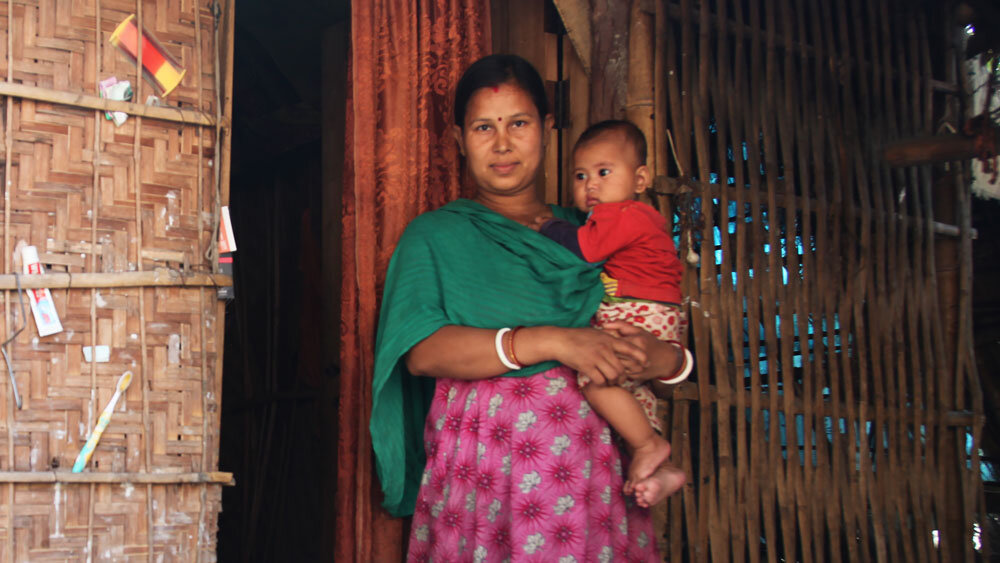
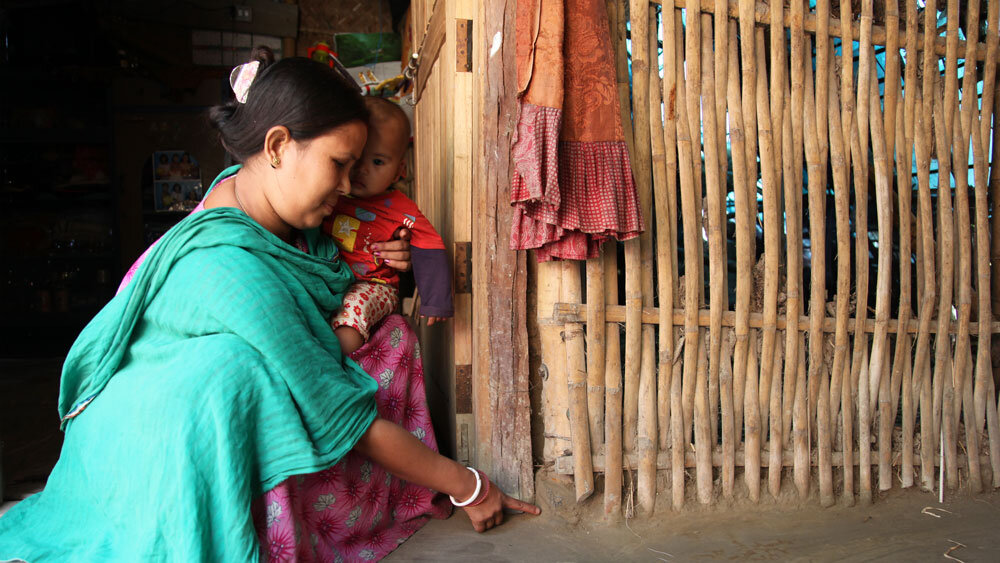
Ponchomi previously lived in a mud house. It was a one-room dwelling with thick walls made of a simple mixture of earth and water. Monsoon rains and floods eroded her home, so she had to constantly repair it. She often checked for snakes which like to burrow in the warm earth – a neighbour had died from such a bite. Her outbuilding was barely standing; the bamboo having rotted from rising damp and termite attack.

She dreamed of a house where she could feel safe with her children, a building that would withstand the elements. As a day labourer, her husband didn’t earn enough money to buy the bricks they needed, so they were about to borrow money from a loan shark.

Ponchomi heard about our ‘build for safety’ workshops, which offered an alternative and joined the training. We returned to see what difference it has made. Her family now live in a secure bamboo-frame house. The posts are raised above the damp earth on kaatla (pad foundations), the material is treated to resist termites, cross bracing reinforces the structure and stops it from twisting during storms and seismic activity, the corrugated iron sheet roof is securely tied back into the structure and steel bolts strengthen the primary building joints.

My house is much stronger now. It will last longer. These are small improvements but they make a big difference.
— Ponchomi

She invited us in for tea and proudly showed us all the improvements they’ve made. They only borrowed a small sum, and they’ve already paid it back. She’s now dreaming of an extension; a second room for when her children grow up. She feels confident she’ll again be able to use the techniques she learned.

Ponchomi is happy to share her skills. She’s now an advocate in her village for what can be achieved with bamboo, which is often seen as a ‘poor man’s’ material.

Help us train more women to build for safety in Bangladesh. Donate to our training programme.

Visit our project page for more information.

Author: J. Ashbridge