
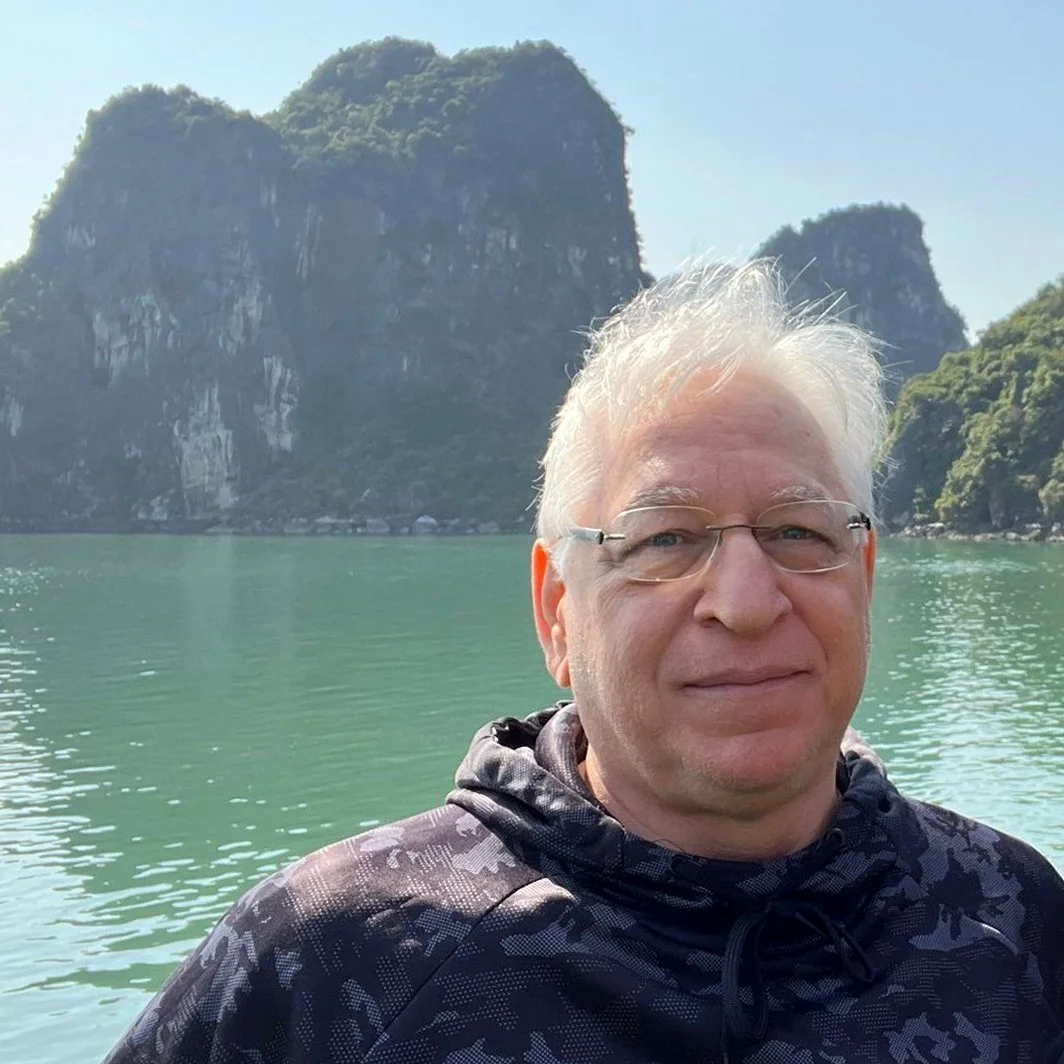
Raymond Lopinski is a Trustee at AzuKo, and engineer by training. He brings deep expertise in human-centric design, systems thinking and sustainable development, and is passionate about using technical skills to empower communities and drive social impact.
Tell us a bit about yourself and your professional background …
I am an engineer by training and have spent my career in Corporate Services planning, developing and operating office expansions and campus’ for Fortune 500 companies globally. Through this, I have gained a deep appreciation on how human-centric designed environments can empower people and communities to be more participatory, resilient and prosperous, and transform lives.
You’ve worked across more than 20 countries. What first drew you to humanitarian and community-focused work?
Working in such diverse cultures and industries, I realised that success hinges on prioritising people — their needs, productivity and collective well-being. This perspective aligns closely with humanitarian principles: designing for people and communities has a transformative impact for all, and can boost entire economies.
World Humanitarian Day celebrates the people who help others in times of crisis. What does the word ‘humanitarian’ mean to you personally?
I believe all technical, all professional work shapes lives, so should inherently be humanitarian. Whether designing infrastructure, buildings or financial systems, success and value are defined by how it improves lives. To me, ‘humanitarian’ means that your decisions are driven by the impact on people and communities leading to increased value and positive systemic change.
How did you first connect with AzuKo, and what inspired you to join the board as a Trustee?
I discovered AzuKo through their collaboration with Engineers Without Borders UK. What stood out was their undertaking to not just solve the immediate problem. Co-designing with the community, understanding their problems and teaching them how to process their individual needs equips them with lasting skills and sustainable purpose-fit solutions. This commitment resonated deeply with my belief in sustainable, regenerative, effective solutions.
From your perspective, what makes AzuKo’s approach to community-led design distinctive and impactful?
In my work, I’ve seen how community-oriented design leads to more successful, sustainable and economical outcomes. AzuKo exemplifies this by proving that the ‘right’ solution — one co-created with communities — is often more meaningful, impactful and cost effective than conventional approaches.
“Involving the community reduces failure rates, accelerates adoption, reduces costs and makes for a higher valued, successful environment — a competitive advantage.”
Is there a particular AzuKo project or story that has stayed with you or changed how you view development work?
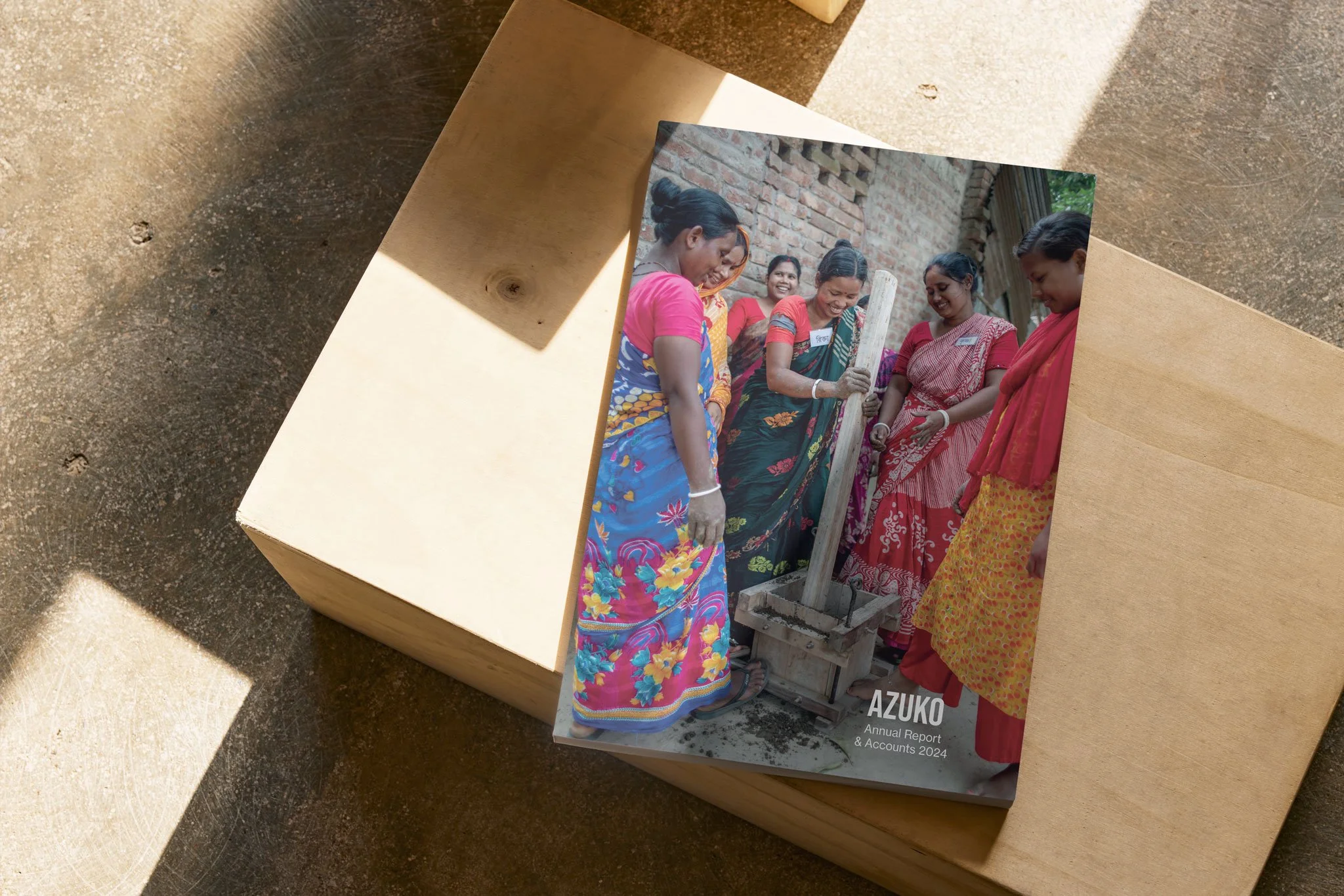
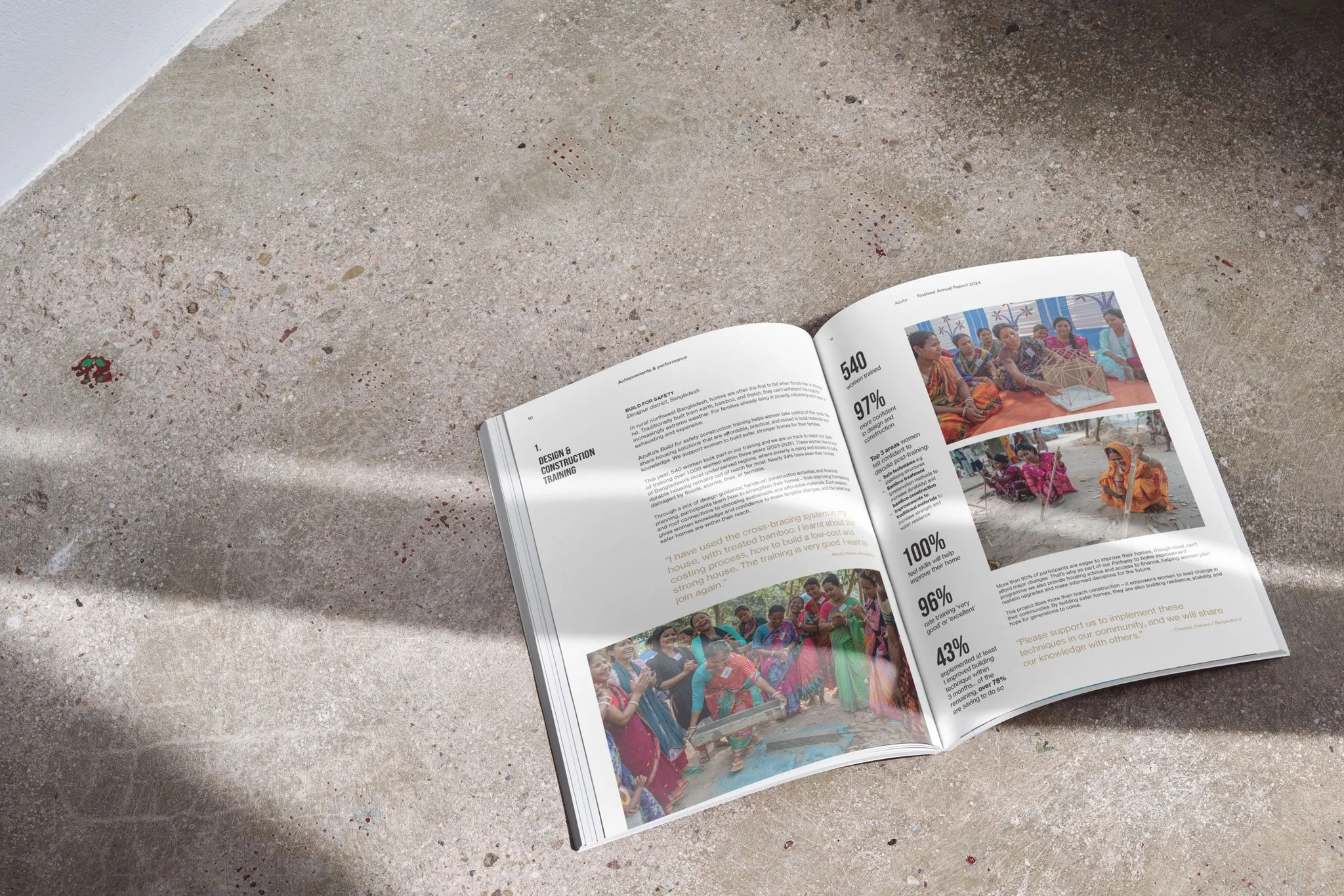
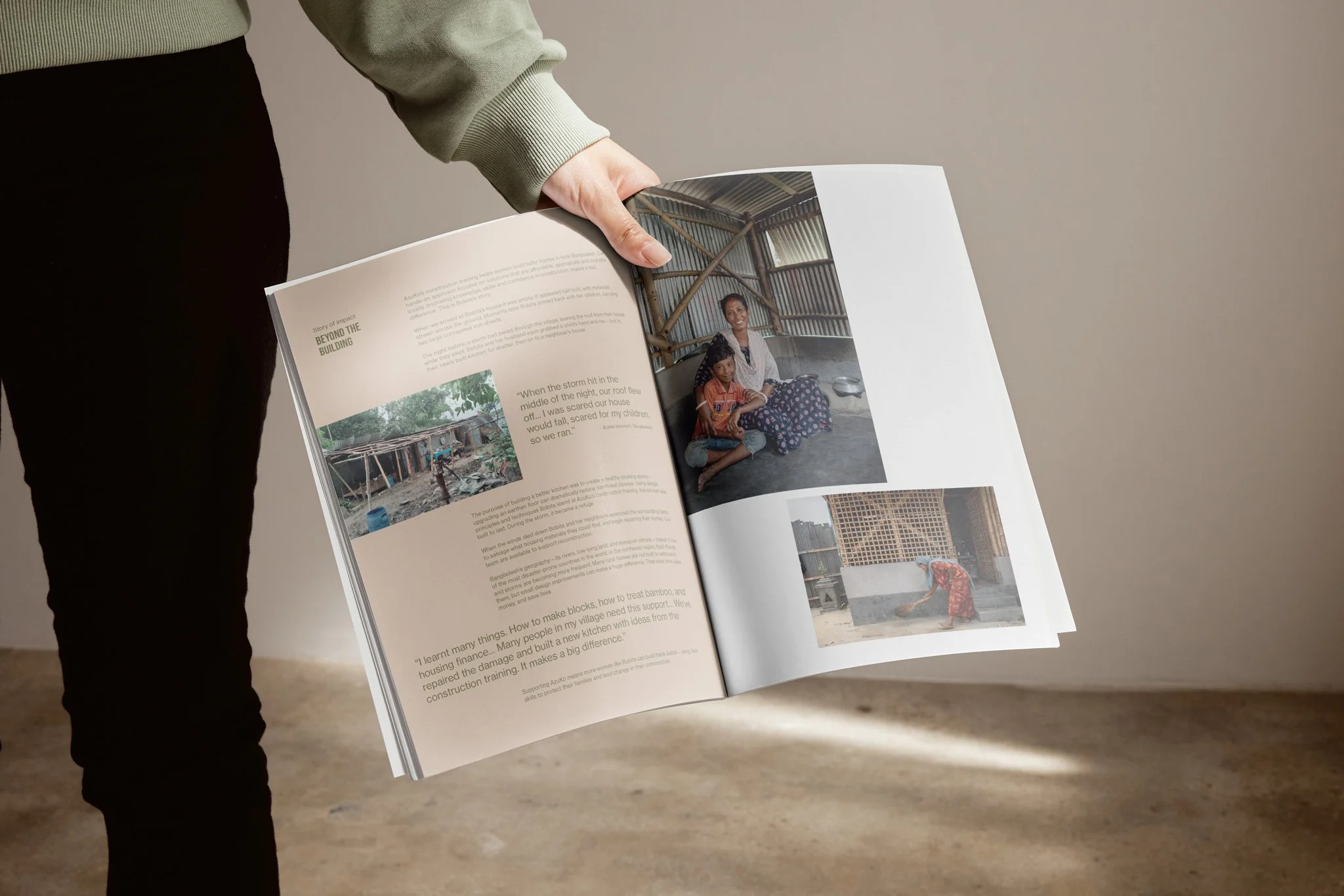
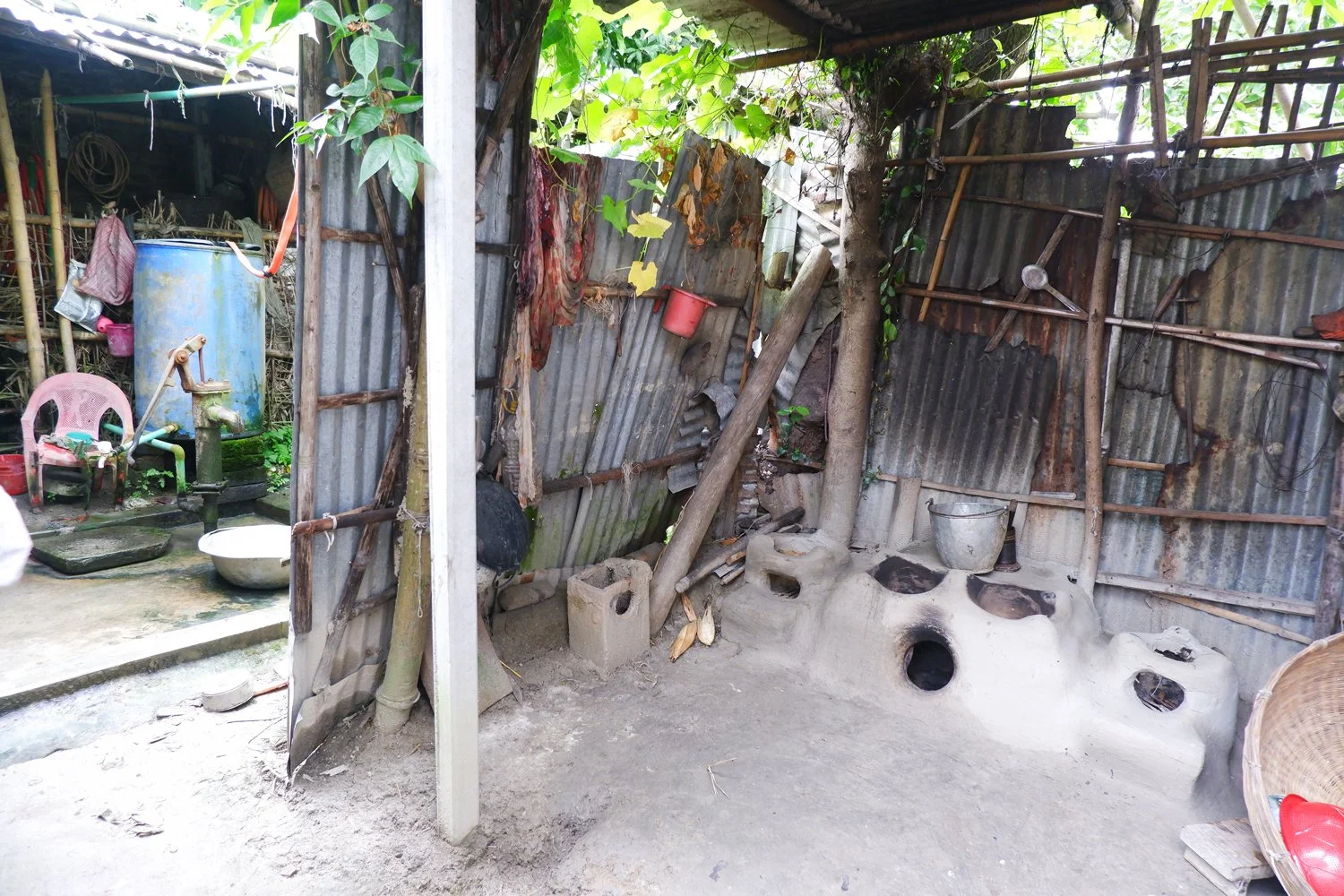
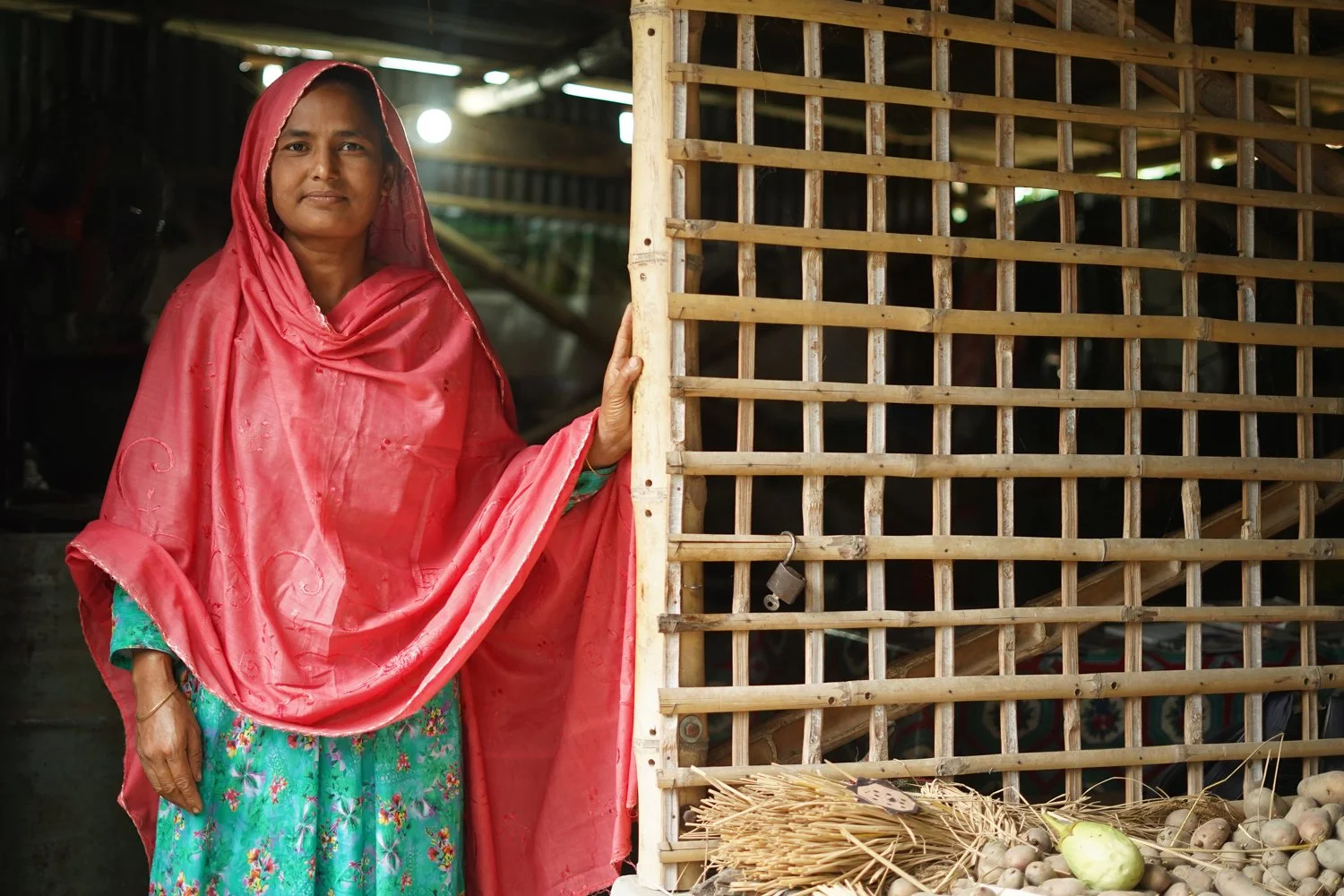
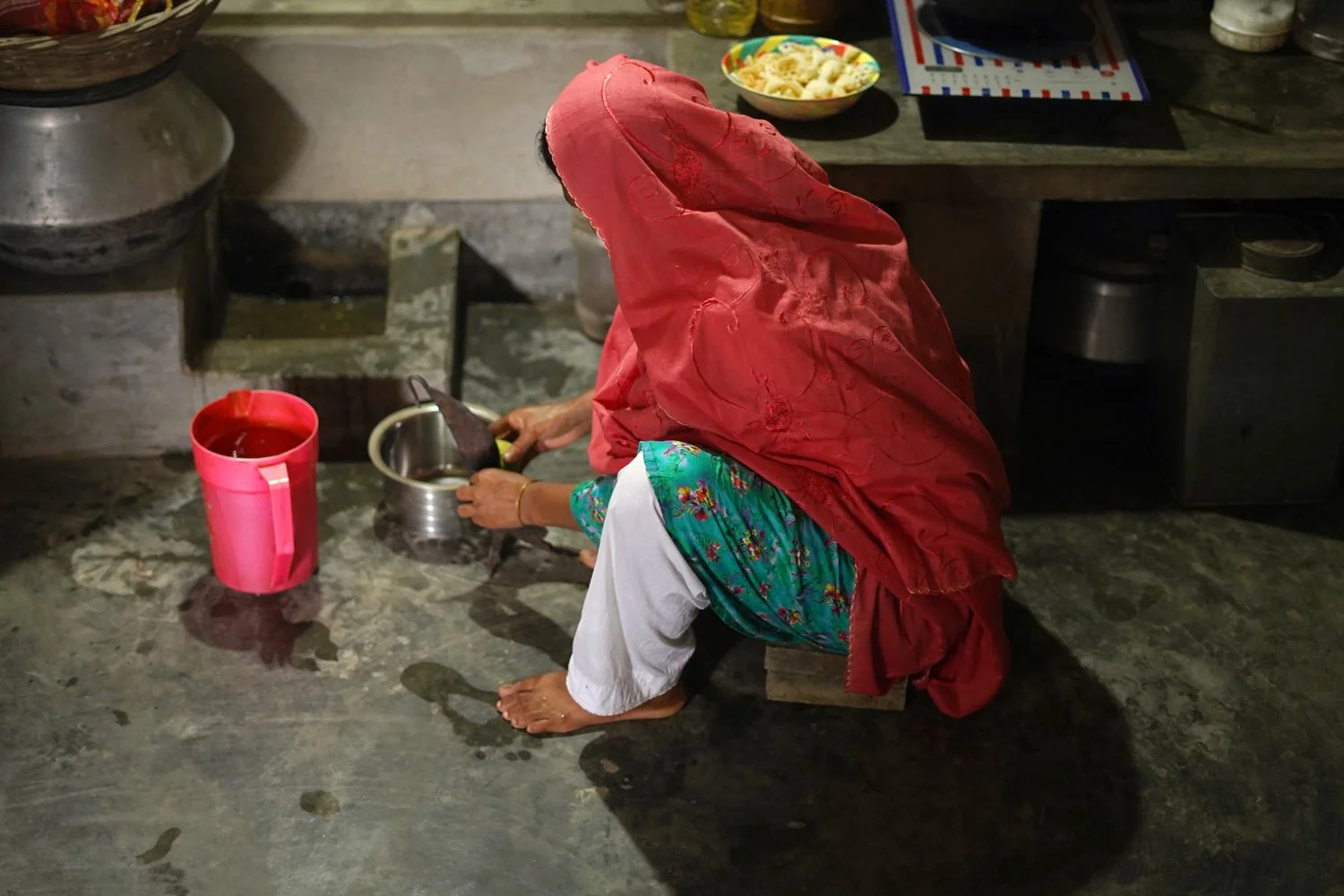
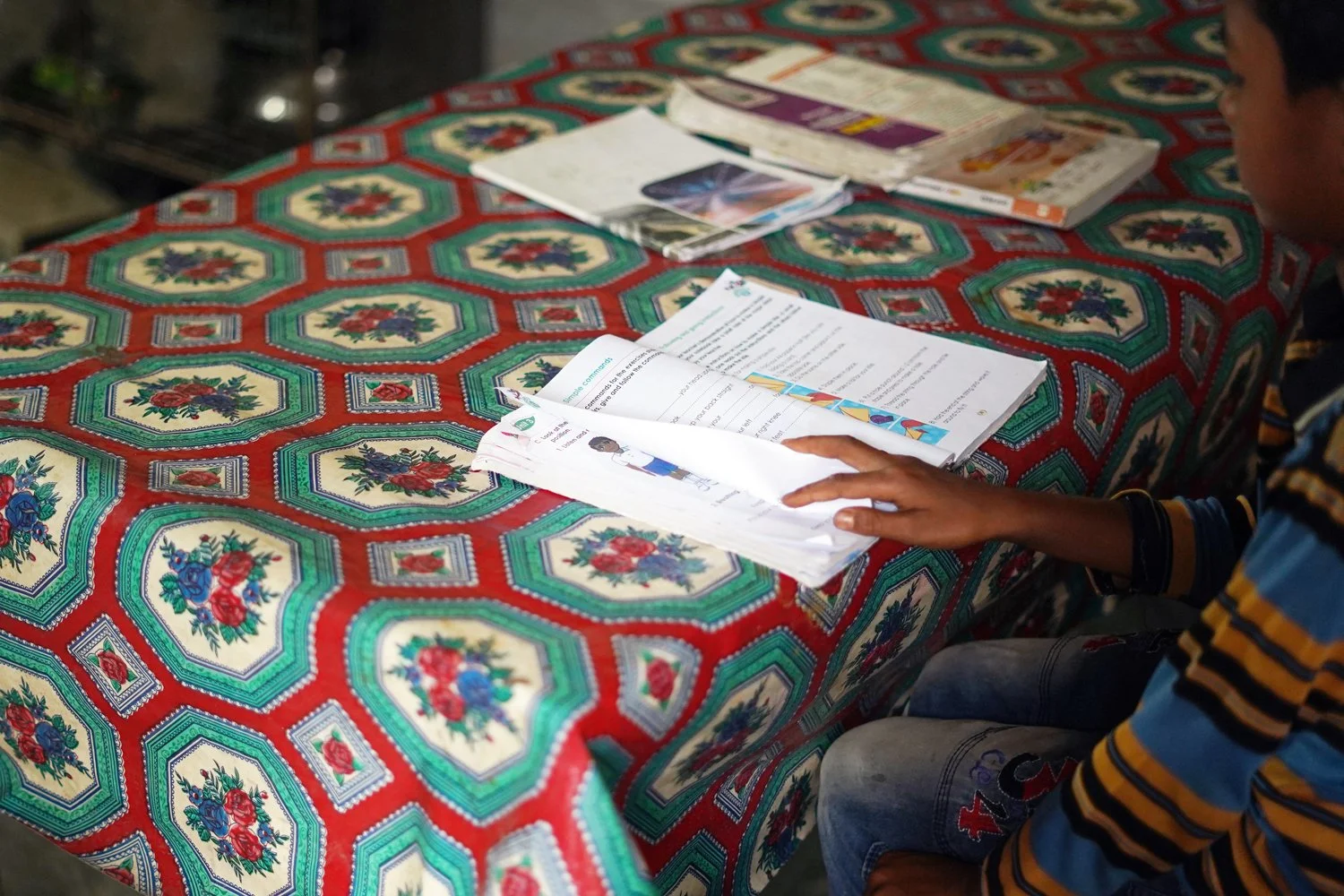
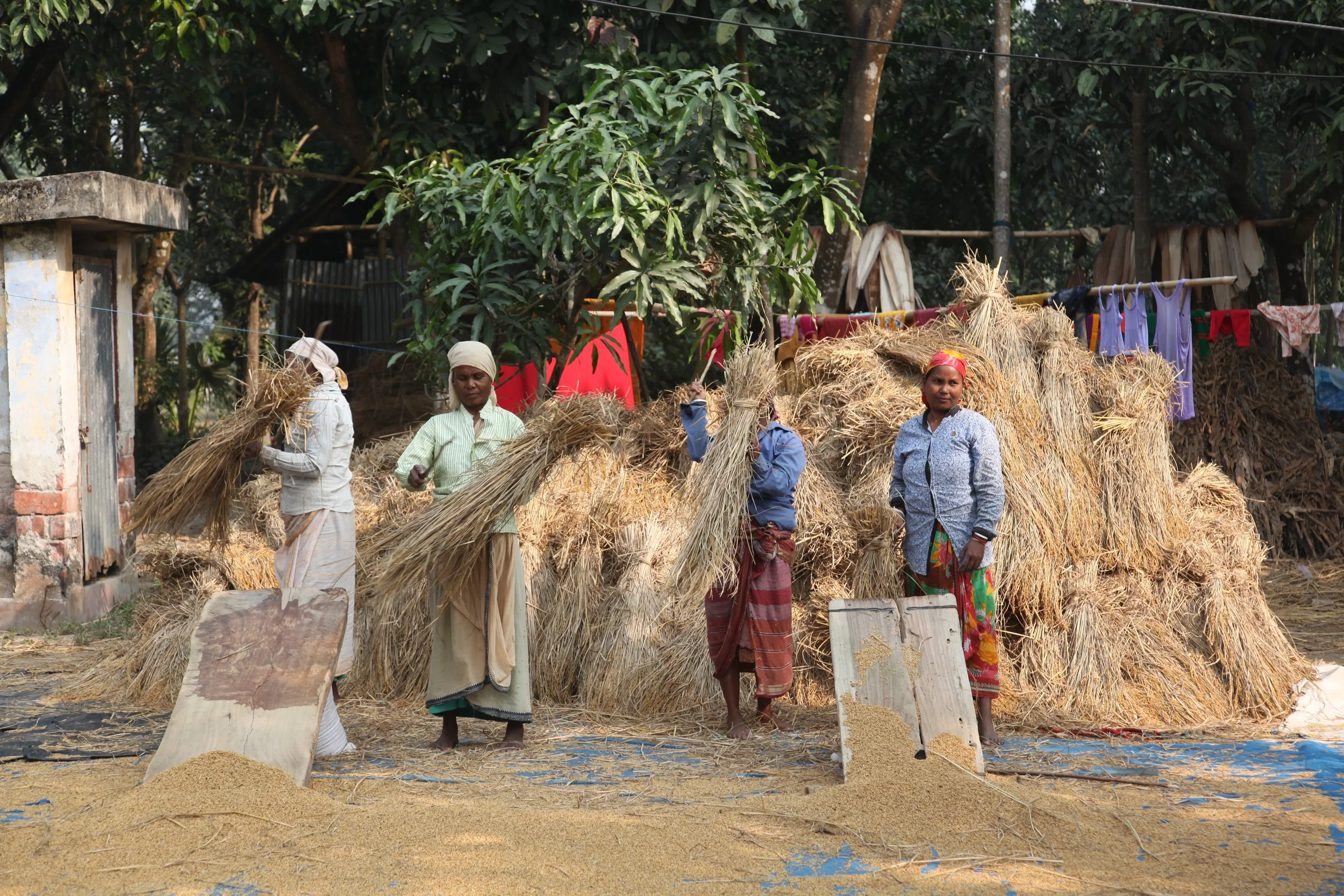
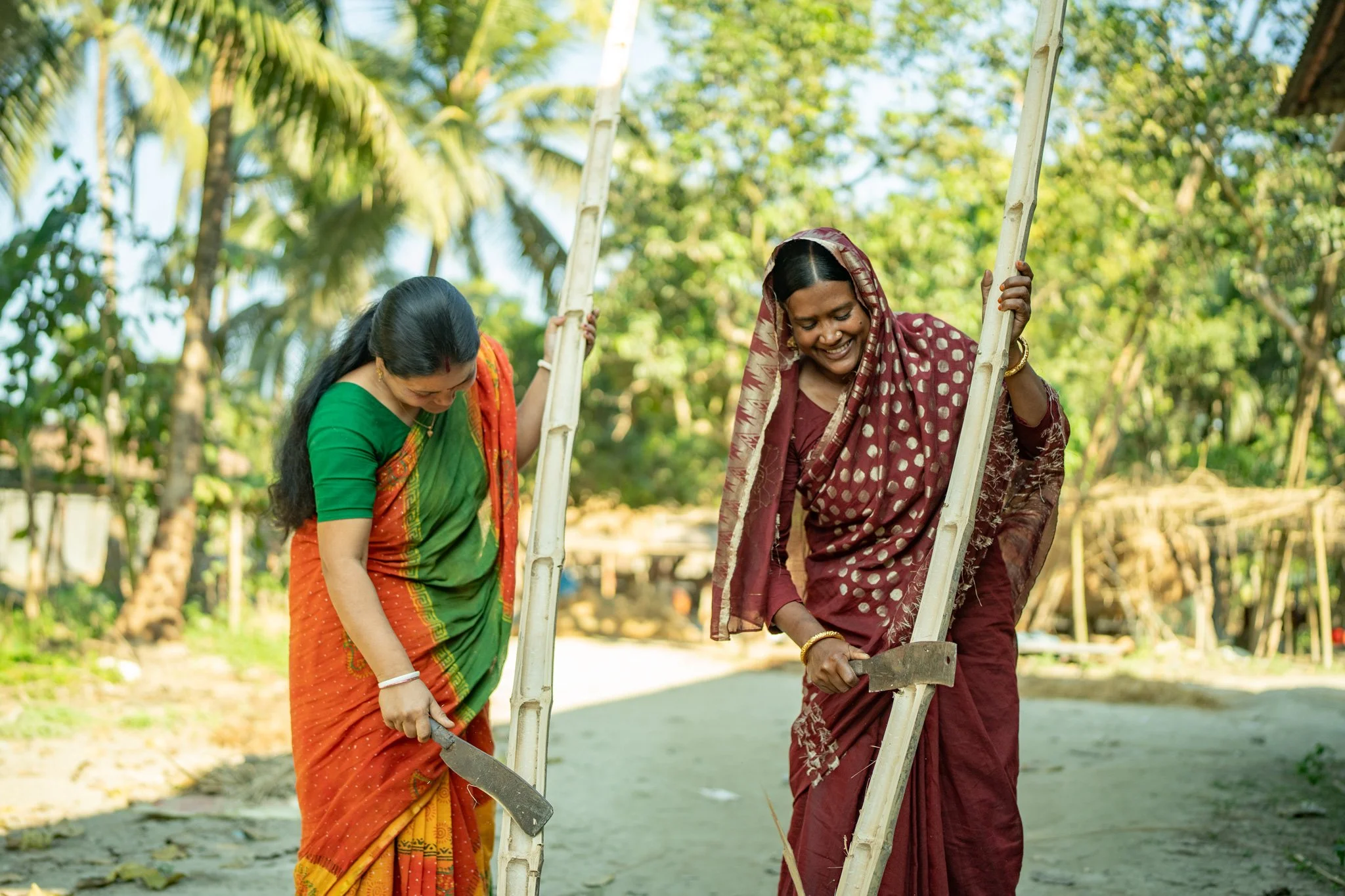
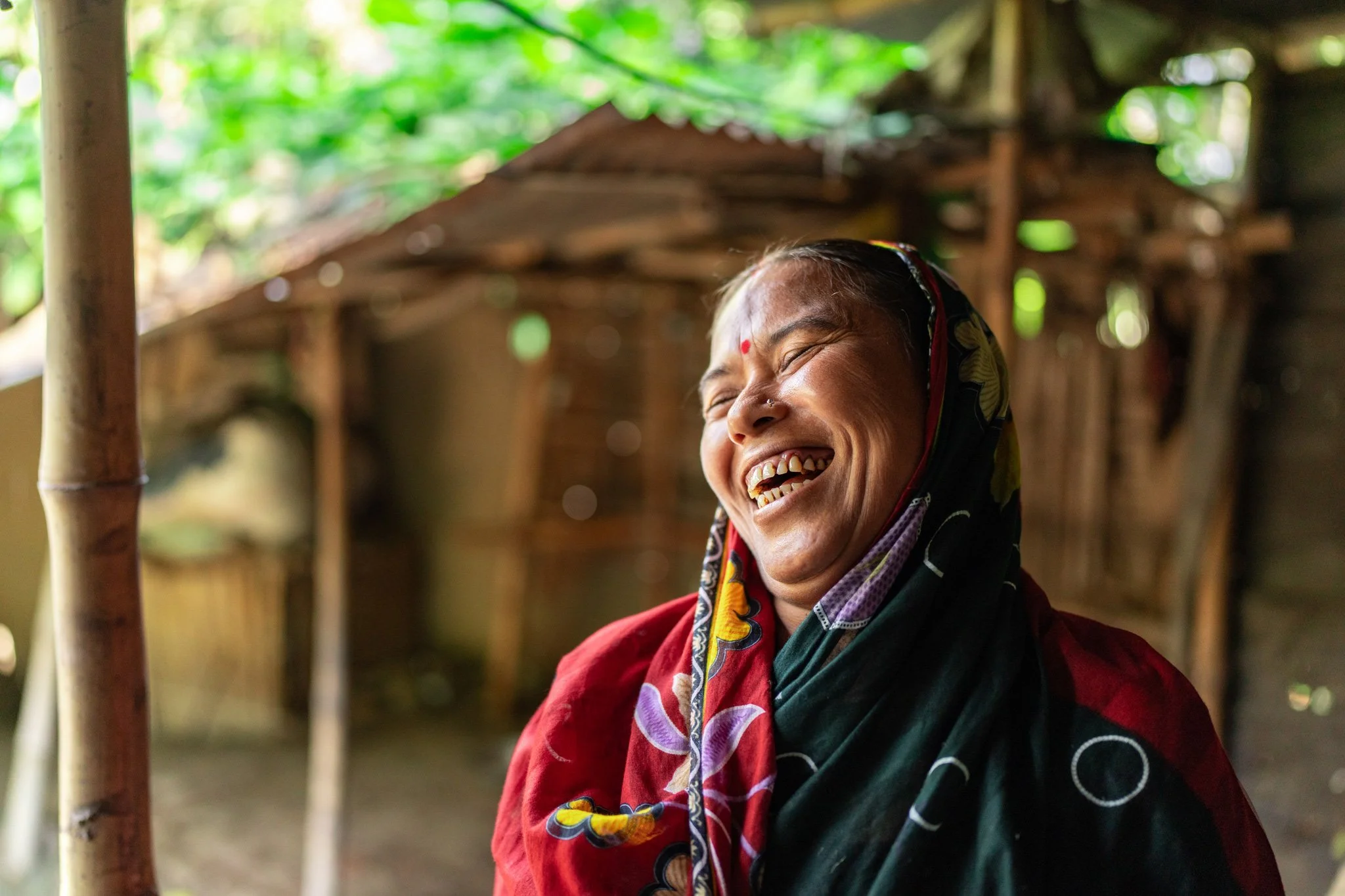
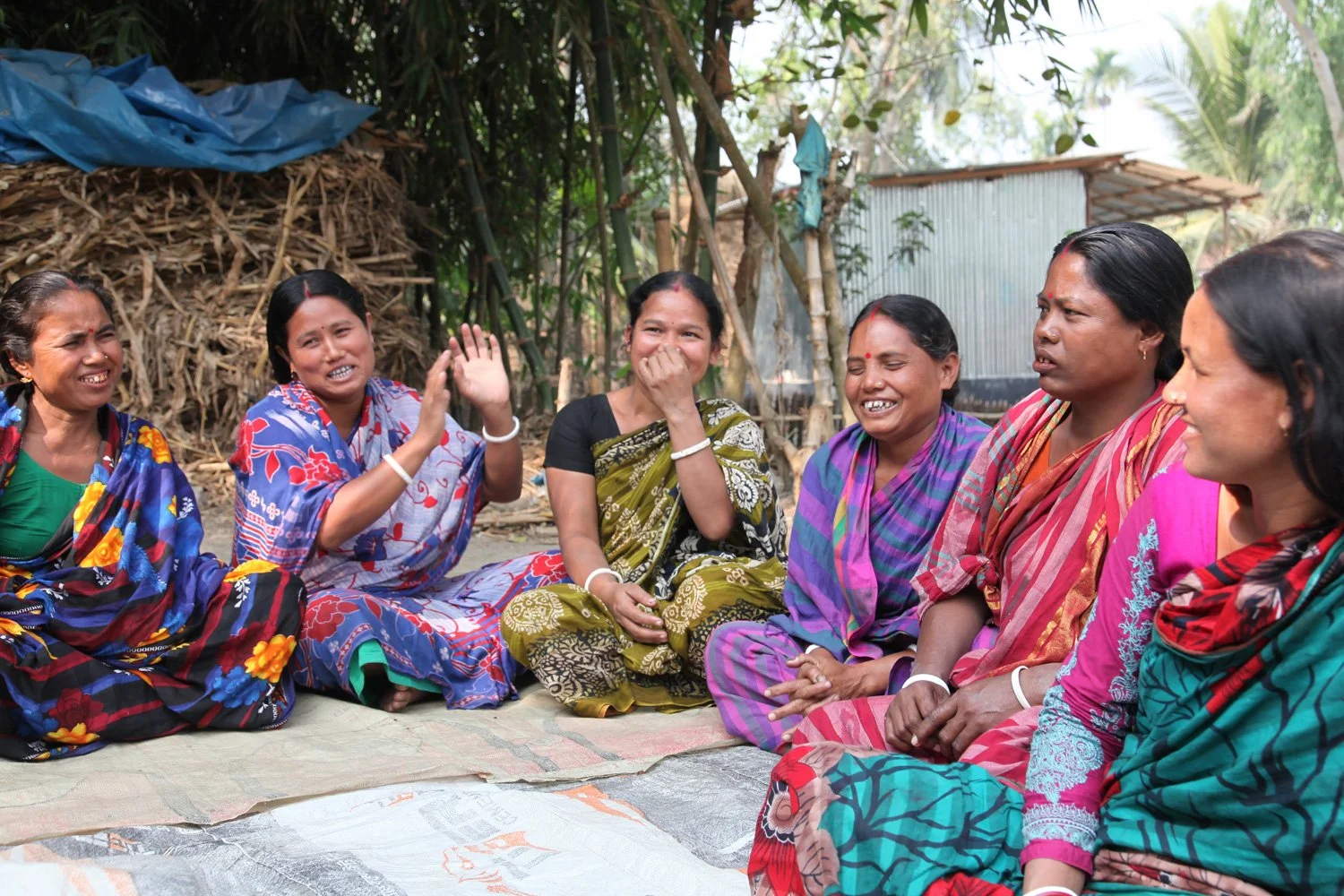
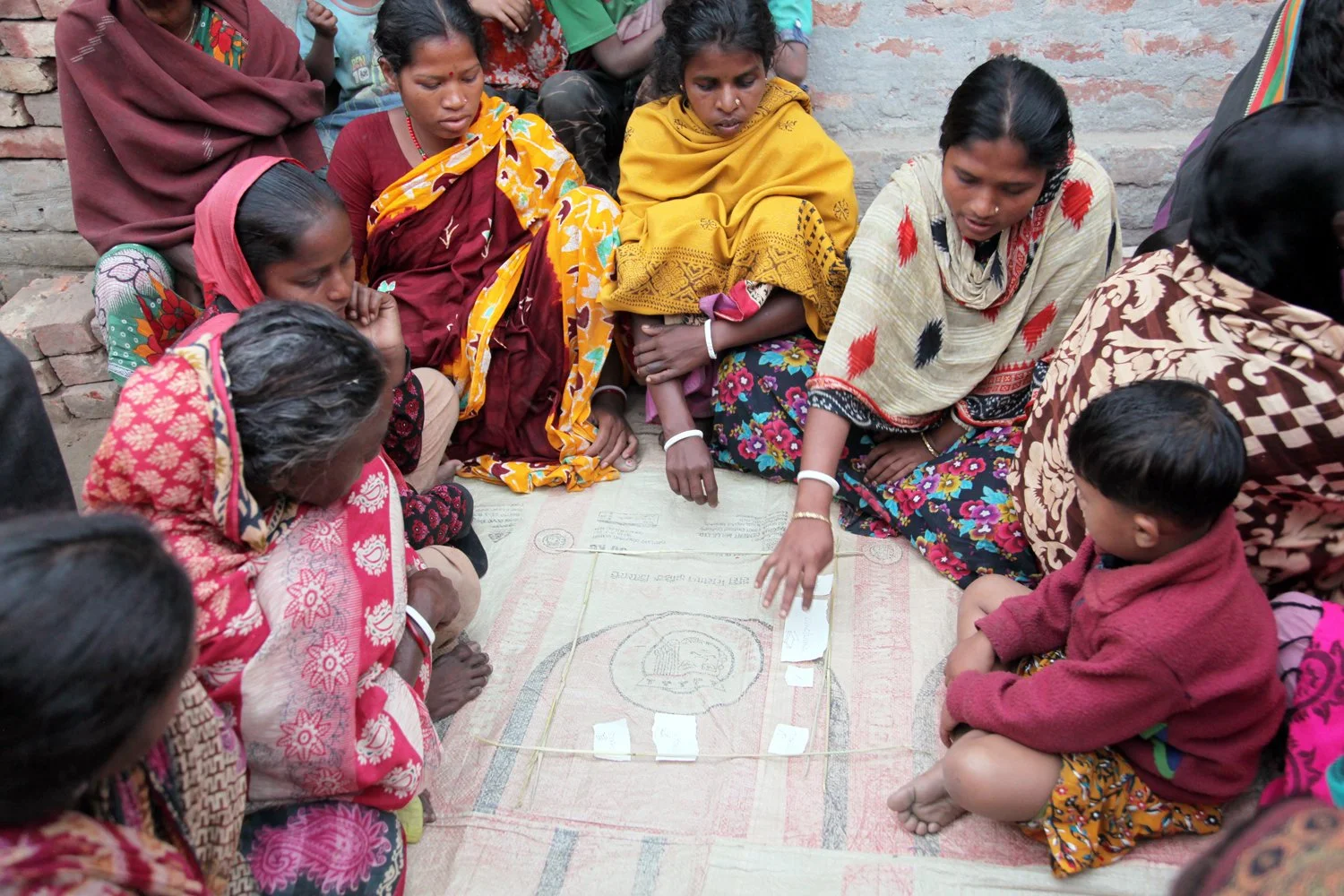
The amazing work being done in Bangladesh. By training women in data gathering, technical and financial skills, AzuKo sparks a ripple effect — empowering them to uplift entire communities. It’s a powerful model for regenerative development. AzuKo delivers holistic solutions for change.
From your experience, what role do technical professionals, like engineers, designers or architects, play in creating more just and resilient communities?
All professionals have a responsibility to apply their skills through a humanitarian/people lens. Professionals are not neutral. Every decision either includes or excludes someone. The same budget can build sterile structures or resilient, sustainable communities. The difference is in how you guide the process, bring diverse disciplines and views together to co-create. Community partnership isn’t just ethical, it is more efficient, effective and adds value.
Working in the corporate sector as well as nonprofits, how do you think these two worlds can better collaborate to tackle global challenges?
The corporate sector is increasingly recognising that long-term success depends on serving all stakeholders; employees, customers, and communities, alongside shareholders. Nonprofits can help bridge gaps by sharing on-the-ground insights and a more holistic view, while companies bring scale, innovation and funding. Together, they can create solutions that are both impactful and sustainable. Tackling the global challenges creates value, differentiation, expands to new market… everything a company needs to succeed. It creates a high ROI (return on investment) and has a systemic impact. These two worlds are interlinked, not separate.
What advice would you give to professionals who want to use their skills for social good but don’t know where to start?
You start by NOT being quiet — speak out. Most technical focused professionals are analytical and introverts so speaking out, talking to people, understanding their context is sometimes a challenge. Get outside of your technical/specialist bubble to understand the interconnectivity of what you do and the impact on other elements of society. Advocate for sustainable solutions in your current role — whether in meetings, projects, or client work. ‘Unintended consequences’ are minimised when we break down silos and co-design. Volunteering is another great way to learn from communities directly. The more we listen, the better we can align technical expertise with real needs.
“The more you listen to people, understand people — the better professional you will be.”
What gives you hope? What are you optimistic about when you look at the future of humanitarian and development work?
While challenges like shrinking social programmes are real, I’m encouraged by the growing understanding that social responsibility isn’t optional — it’s foundational to increased returns and long-term success. If more businesses embed these principles into their core operations (every product and service they deliver), this will create sustainable value for them and we’ll see communities thrive in ways that benefits everyone. Human-centric design is a huge competitive advantage.